Parlez à notre patron si vous n'avez pas trouvé la solution
Notre patronne, Alanna, demandera à notre équipe de trouver la solution dans les plus brefs délais ! Vous devez être satisfait de nos services !


Si vous vendez des produits de soin, du thé, des snacks, des CBD ou des petits appareils électroniques, vous avez probablement déjà regardé des tubes en papier ronds et pensé : Ils ont l'air bien, mais par où commencer ?
Emballage de tubes sur mesure n'est pas Il ne suffit pas de choisir une taille et d'imprimer un logo. Si vous précipitez la conception, vous obtiendrez des couvercles décollés, des tubes écrasés, des fuites de poudre et des commentaires mécontents. Si vous suivez un processus clair avec les bons contrôles, vos tubes auront l'air de première qualité, voyageront en toute sécurité et permettront de maîtriser les coûts.
Vous trouverez ci-dessous un processus de conception pratique, puis les considérations les plus courantes qui échappent généralement aux équipes chargées de l'image de marque. Nous indiquerons également où un partenaire tel que Zhibang Packaging s'intègre, en utilisant leur emballage de tubes en papier et d'autres lignes de produits comme référence dans le monde réel.
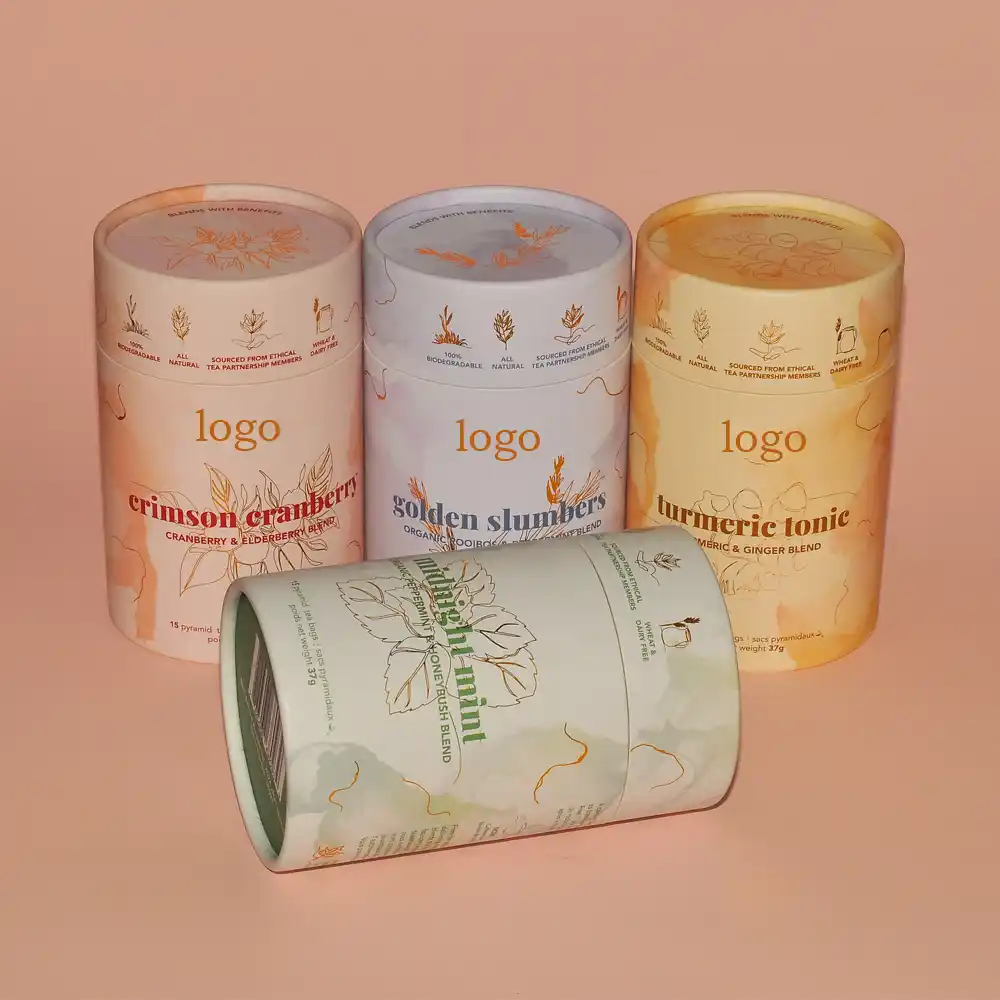
Les tubes de papier ronds ont trois fonctions à la fois :
Lorsque les acheteurs voient un tube en rayon ou en ligne, ils lisent rapidement quelques signaux :
Même de petites imperfections peuvent donner à votre formule ou à votre gadget l'impression d'un manque de confiance.
Il n'est pas nécessaire de faire des calculs exacts pour en ressentir l'impact, mais il est utile de les voir exposés :
| Ce que vous contrôlez dans la conception des tubes | Ce qu'il influence | Impact réel typique |
|---|---|---|
| Diamètre et hauteur du tube | Présence en rayon, empilage, volume d'expédition | Les tubes trop grands basculent facilement et sont repoussés au fond de l'étagère. |
| Épaisseur du panneau (GSM / mm) | Solidité, “sensation de la main”, dommages dus à l'expédition | Trop fins, les tubes se déforment pendant le transport ; trop épais, le fret et le prix unitaire augmentent. |
| Style et ajustement du couvercle | Déballage, risque de fuite, perception de la qualité | Un couvercle mal fixé fait penser à un produit “bon marché”, alors qu'un frottement serré et lisse donne l'impression d'un produit de qualité supérieure. |
| Revêtement intérieur et barrière | Sécurité alimentaire, conservation de l'arôme, résistance à l'huile | Le thé, le café et les poudres de CBD ont besoin d'un revêtement adéquat pour éviter les fuites d'odeur et les problèmes d'humidité. |
| Œuvres d'art et finitions | Reconnaissance de la marque, perception du prix, partage social | Les couleurs vives et les feuilles d'aluminium sont souvent affichées sur les réseaux sociaux, mais les tubes simples le sont rarement. |
En bref : des tubes bien conçus marketing et logistique pour vous chaque jour.
Voyons une séquence pratique que vous pouvez réutiliser pour chaque nouveau projet de tube. Cette séquence est très proche de la façon dont les équipes d'ingénieurs et de concepteurs de Zhibang gèrent les projets de tubes. solutions d'emballage en papier personnalisées en gros.
Avant de toucher à une ligne de démarcation, il convient de bien comprendre les principes de base :
Une liste rapide des besoins pourrait comprendre les éléments suivants
Cette étape peut paraître anodine, mais elle vous évitera bien des échanges de courriels par la suite.
Une fois que vous savez ce que vous emballez, vous pouvez définir la structure de base :
Par exemple :
Zhibang's emballage de tubes en papier line couvre déjà ces configurations pour les cosmétiques, l'alimentation, l'huile de CBD et les cadeaux, de sorte que vous pouvez emprunter des structures éprouvées au lieu de tout réinventer.
C'est ici qu'apparaissent les “mots noirs de l'industrie” : carton gris, duplex, GSM, liner, wrap.
Pour un tube de papier rigide typique, vous déciderez :
Pensez en termes de compromis simples :
| Choix des matériaux | Pour | Vigilance |
|---|---|---|
| Emballage kraft naturel | Le look écologique, idéal pour les ambiances “organiques” ou “faites à la main”. | Les imprimés sont plus doux ; les néons brillants ne ressortent pas autant. |
| Papier d'art blanc | Impression CMYK nette, fonctionne bien avec les films et les UV | Présente davantage d'éraflures ; nécessite généralement une plastification. |
| Doublure intérieure en feuille d'aluminium | Excellente barrière pour les arômes et l'humidité | Plus difficile à recycler sur certains marchés ; doit être soigneusement scellé. |
| Panneau d'aggloméré plus épais | Parois solides, sensation de qualité supérieure | Plus lourd, plus de matériel, plus de frais de transport et de coût unitaire. |
L'équipe de production de Zhibang travaille avec des revêtements de qualité alimentaire, des panneaux FSC et des encres à base de soja ou d'eau pour les cosmétiques, l'alimentation, l'électronique et bien d'autres choses encore, de sorte qu'elle peut suggérer une pile “suffisamment bonne” sans que vous ayez à vous pencher sur chaque petite spécification.
Vous passez maintenant de la structure aux visuels.
Tâches principales :
Si vous utilisez déjà boîtes à cosmétiques personnalisées ou boîtes pliantes de Zhibang, il est judicieux de réutiliser le même système de couleurs et la même typographie. Ainsi, vos tubes, cartons et mailers auront l'air d'une seule et même famille.
Un conseil de pro de l'usine :
Ne passez jamais directement du PDF à l'exécution en masse. Toujours :
Tests de base à effectuer :
C'est là qu'un fabricant disposant d'un service d'échantillonnage interne comme Zhibang s'avère utile. Il peut prélever des matériaux dans le stock existant, créer des échantillons et les ajuster avant que vous ne fixiez l'outillage et les MOQ.
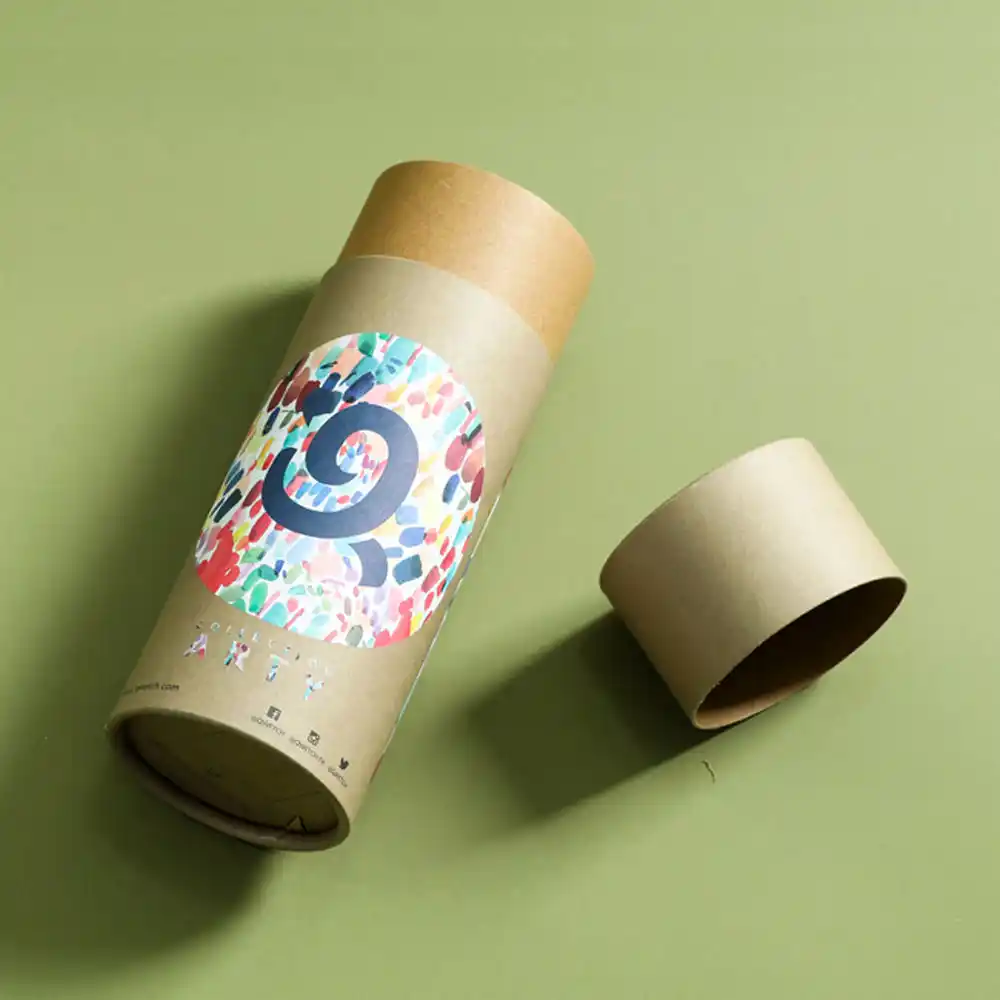
Maintenant, zoomons sur les points de douleur que les marques rencontrent dans des projets réels : UX, protection, conformité, durabilité et coût.
Les gens se souviennent de la façon dont un produit sent à ouvrir.
À surveiller :
Liste de contrôle UX simple :
Les cas réels de Zhibang en emballage de tubes en papier présentent de nombreuses astuces : des poignées en corde pour les tubes de parfum, des rubans pour les coffrets cosmétiques et de la mousse façonnée pour les petits flacons en verre.
Les beaux tubes qui arrivent écrasés sont un gâchis. Questions relatives à la protection :
Outils de protection courants :
Zhibang fournit à la fois des chambres à air et des emballages de transport extérieurs, ce qui vous permet d'adapter la taille de la chambre à air à celle de l'emballage extérieur. boîtes en carton ondulé imprimées au lieu de deviner.
Si vous travaillez dans le domaine du CBD, des compléments alimentaires ou des soins personnels, les tubes doivent également être satisfaits :
Même si vous n'avez pas besoin d'une certification complète de sécurité pour les enfants, vous voulez quand même.. :
Dans ce cas, la précision est plus importante qu'une “belle copie”. De nombreux clients traitent cette partie en dernier, mais la correction des erreurs d'étiquetage après l'impression est très coûteuse et n'a rien d'amusant.
Les tubes en papier sont souvent plus écologiques que les tubes en plastique, mais les détails ont leur importance.
Vous pouvez favoriser le développement durable en :
Zhibang met déjà l'accent sur les options écologiques dans l'ensemble de ses activités. emballage de tubes en papier et plus large solutions d'emballage en papier personnalisées en gros, Vous pouvez donc demander directement des piles “recyclées d'abord”.
Vous n'avez pas besoin de calculer le coût exact par vous-même, mais vous devez savoir ce qui fait monter ou descendre les prix.
| Inducteur de coûts | Ce que cela signifie vraiment | Comment garder le contrôle |
|---|---|---|
| Taille du tube (hauteur et diamètre) | Plus de carton, plus d'emballage, plus de fret | Adaptez la taille au produit et laissez un peu d'espace pour respirer. Évitez les “tubes d'air” surdimensionnés.” |
| Epaisseur du panneau | Plus lourd + plus fort vs. plus léger | Utilisez juste assez de force pour votre canal. Le commerce électronique a besoin de plus que d'une simple mise en rayon. |
| Finitions (film, gaufrage, UV) | Passes supplémentaires, outillage supplémentaire | Choisissez 1 ou 2 effets clés. Gardez le reste en CMJN. |
| Nombre d'UGS | Plus de réglages, de plaques, de changements | Standardisez un tube de base et échangez l'illustration ou l'insert pour de nouvelles UGS. |
| Inserts | Matériaux et main-d'œuvre supplémentaires | Utilisez des encarts en carton dans la mesure du possible ; réservez la mousse aux articles vraiment fragiles. |
| Quantité de commande (MOQ) | Coût de mise en place réparti sur les unités | Une fois que votre structure a fait ses preuves, passez des commandes à des volumes stables afin de lisser le prix unitaire. |
Lors de l'établissement des devis, il faut parler le même “langage d'usine” :
L'équipe de vente et d'ingénierie de Zhibang peut mettre en place ces options rapidement parce qu'elle gère plusieurs lignes de produits, des tubes à l'acier. boîtes pliantes et au-delà, sur la même famille d'équipements.
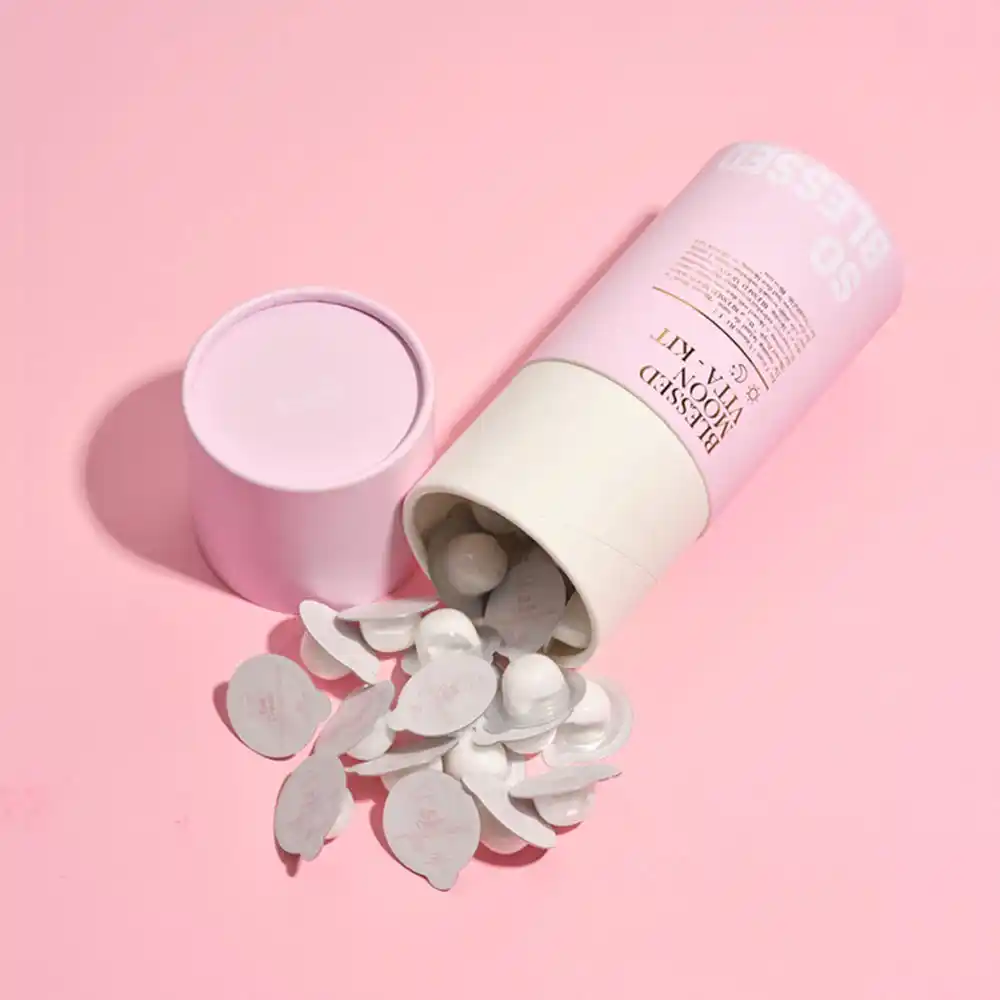
Pour rendre ce sujet moins abstrait, voici quelques scénarios réels (pas de faux noms, juste des scènes d'utilisation typiques).
Le design bouge :
Ce type de construction est très proche de ce que Zhibang fait déjà pour les sets de beauté dans les deux catégories suivantes boîtes à cosmétiques personnalisées et des tubes ronds, de sorte que le risque d'ingénierie est faible.
Le design bouge :
Pour soutenir l'expédition, de nombreuses marques associent des tubes à des expéditeurs de marque utilisant des boîtes en carton ondulé imprimées pour que le tube lui-même arrive propre.
Le design bouge :
Les tubes et les boîtiers de Zhibang, axés sur le CBD, dans le cadre de l'initiative de l'Union européenne. emballage de tubes en papier montrent comment combiner le matériau de la barrière, l'étiquetage et l'histoire de la marque sans rendre le tube bruyant.
| Scénario | Installation typique d'un tube | Objectif principal de la conception |
|---|---|---|
| Ampoules pour soins de la peau | Tube rigide court + insert EVA | Protection et déballage premium |
| Thé et café | Grand tube kraft + feuille d'aluminium | Arôme, positionnement naturel |
| Suppléments de CBD | Tube mi-hauteur + couvercle pelable + bouchon | Sécurité, conformité, image de marque calme |
| Cadeaux / kits de relations publiques | Tube large + ruban ou poignée | “Le moment ”Wow", la réutilisation |
Vous pouvez les adapter à votre secteur d'activité : remplacez le thé par des en-cas, les soins de la peau par des parfums, mais l'idée est la même.
Concevoir des tubes par soi-même peut sembler désordonné. Travailler avec un fabricant qui vit déjà dans ce monde rend le processus plus fluide et plus rapide.
Voici comment Zhibang Packaging s'inscrit habituellement dans ce contexte :
Si vous ne savez pas par où commencer, la première étape est simple :
À partir de là, vous et l'usine pouvez co-construire des tubes qui fonctionnent réellement dans la vie réelle : solides en rayon, sûrs en transit, faciles à emballer et fidèles à la marque depuis la première vidéo de déballage jusqu'à la dernière recharge.
Et si une phrase de votre cahier des charges n'est pas parfaite ou comporte une petite faute d'orthographe, ne vous inquiétez pas trop. Ce qui compte, c'est que la structure, l'empilement des matériaux et les décisions relatives au graphisme soient suffisamment clairs pour que les ingénieurs puissent transformer votre idée en un tube propre et fiable sur l'étagère.