Fale com o nosso chefe se não encontrou a solução
A nossa chefe, Alanna, vai pedir à nossa equipa para encontrar a solução muito em breve! Tem de ficar satisfeito com os nossos serviços!






If you sell skincare, tea, snacks, CBD, or small electronics, you’ve probably looked at round paper tubes and thought: these look nice, but where do I even start?
Custom tube packaging isn’t just “pick a size and print a logo.” If you rush the design, you get loose lids, crushed tubes, leaking powder, and angry reviews. If you follow a clear process with the right checks, your tubes look premium, travel safe, and keep costs under control.
Below, we’ll walk through a practical design process, then dig into the most common considerations that brand teams usually miss. We’ll also point out where a partner like Embalagem Zhibang fits in, using their embalagem em tubo de papel range and other product lines as real-world reference.
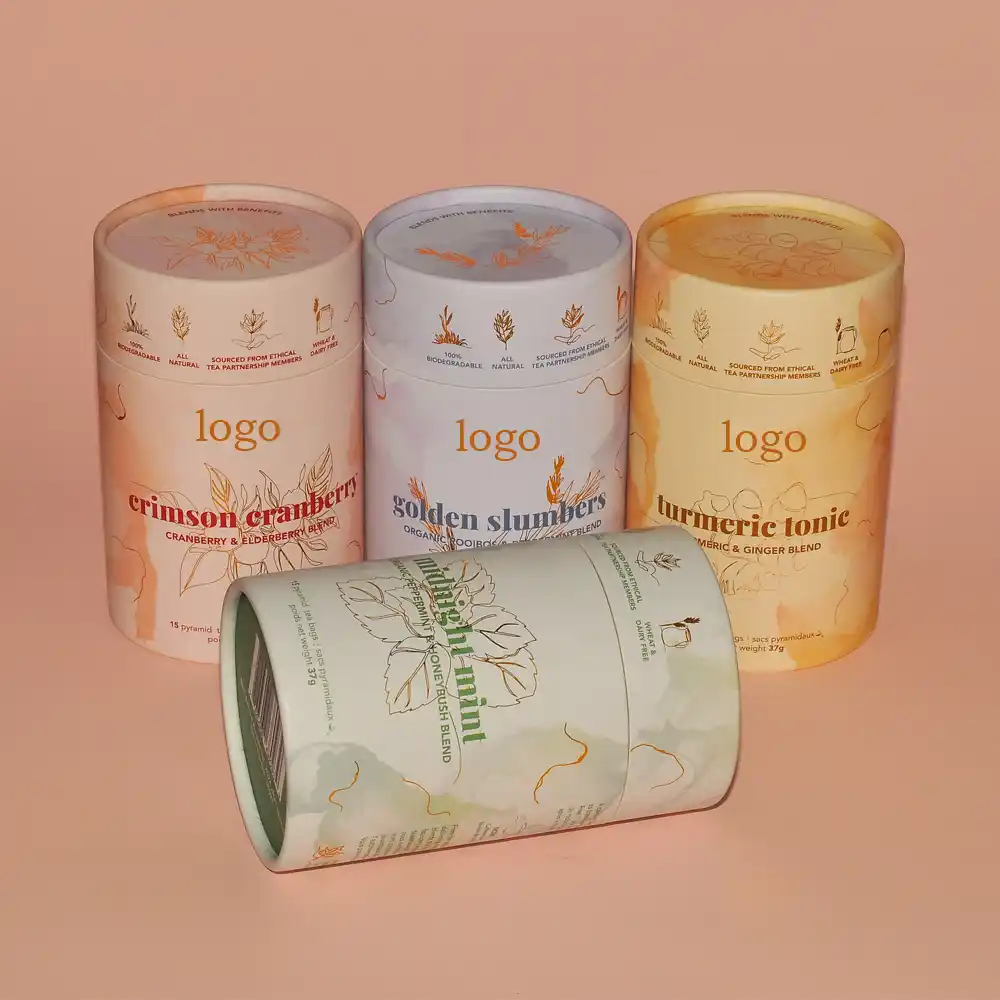
Round paper tubes do three jobs at once:
When shoppers see a tube on shelf or online, they read a few signals fast:
Even small flaws here can make your great formula or gadget look low trust.
You don’t need exact math to feel the impact, but it helps to see it laid out:
| What you control in tube design | What it influences | Typical real impact |
|---|---|---|
| Tube diameter & height | Shelf presence, stacking, shipping volume | Tubes that are too tall tip over easily and get pushed to the back of the shelf. |
| Board thickness (GSM / mm) | Strength, “handfeel,” shipping damage | Too thin and tubes dent in transit; too thick and freight and unit price go up. |
| Lid style & fit | Unboxing, leak risk, perception of quality | Loose lid makes buyers think “cheap”; tight, smooth friction feels more premium. |
| Inner liner & barrier | Food safety, aroma retention, oil resistance | Tea, coffee, and CBD powders need proper liners or you get smell leak and moisture issues. |
| Artwork & finishes | Brand recognition, price perception, social sharing | Strong color blocking and clean foil often get posted on social, plain tubes rarely do. |
The short version: well-designed tubes do marketing and logistics for you every single day.
Let’s walk through a practical sequence you can reuse for every new tube project. This is very close to how Zhibang’s engineering and design teams handle soluções por atacado de embalagens de papel personalizadas.
Before you touch a dieline, get clear on the basics:
A quick requirement sheet might include:
This step look small, but it saves you alot of back-and-forth emails later.
Once you know what you’re packing, you can define the basic structure:
Por exemplo:
Zhibang's embalagem em tubo de papel line already covers these setups for cosmetics, food, CBD oil, and gifts, so you can borrow proven structures instead of reinventing everything.
Here’s where the “industry black words” show up: greyboard, duplex, GSM, liner, wrap.
For a typical rigid paper tube you’ll decide:
Think in simple trade-offs:
| Material choice | Pros | Vigias |
|---|---|---|
| Natural kraft wrap | Eco look, good for “organic” or “handmade” vibes | Prints softer; bright neons don’t pop as much. |
| White art paper wrap | Sharp CMYK print, works well with foil & UV | Shows scuffs more; usually needs lamination. |
| Foil inner liner | Great barrier for aroma and moisture | Harder to recycle in some markets; needs careful sealing. |
| Thicker chipboard | Strong walls, premium feel | Heavier, more material, more freight and unit cost. |
Zhibang’s production team works with food-grade liners, FSC boards, and soy or water-based inks across cosmetics, food, electronics and more, so they can suggest a “good enough” stack without you going into every tiny spec.
Now you move from structure to visuals.
Key tasks here:
Se já utiliza caixas de cosméticos personalizadas ou caixas de cartão dobráveis from Zhibang, it’s smart to reuse the same color system and typography here. That way, your tubes, cartons, and mailers all look like one family.
Pro tip from the factory floor:
Never go straight from PDF to mass run. Always:
Basic tests to run:
This is where a manufacturer with in-house sampling like Zhibang is useful. They can pull materials from existing stock, mock up samples, and tweak fit before you lock tooling and MOQs.
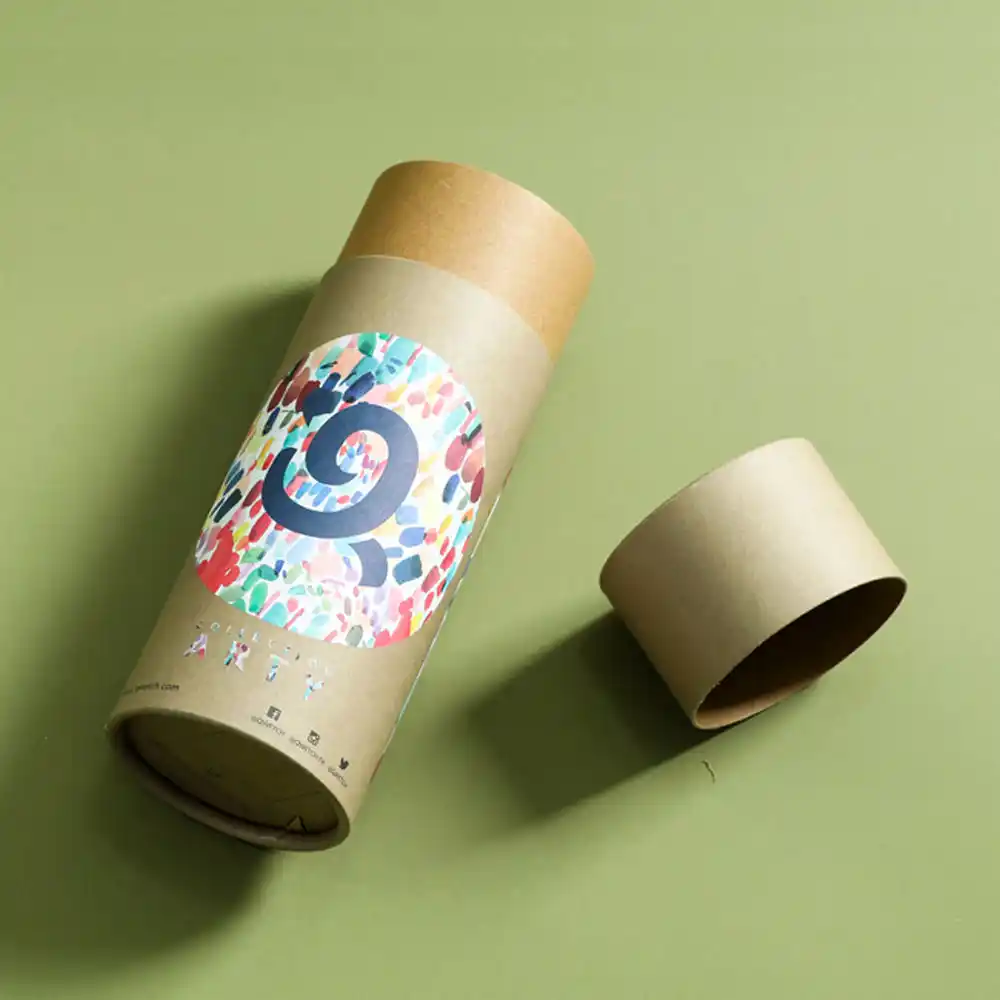
Now let’s zoom into the pain points brands hit in real projects: UX, protection, compliance, sustainability, and cost.
People remember how a product sente to open.
Coisas para ver:
Simple UX checklist:
Zhibang’s real cases in embalagem em tubo de papel show many tricks: rope handles for perfume tubes, ribbons for cosmetic gift sets, and shaped foam for little glass bottles.
Good-looking tubes that arrive crushed are a waste. Protection questions:
Common protection tools:
Zhibang supplies both inner tubes and outer transit packs, so you can match tube size to outer caixas de cartão canelado impressas instead of guessing.
If you’re in CBD, supplements, or personal care, tubes must also satisfy:
Even if you don’t need full child-resistant certification, you still want:
Here, accuracy matters more than “cute copy.” Many clients treat this part last, but fixing label errors after print is very expensive and not fun.
Paper tubes often feel more eco than plastic, but the details matter.
You can push sustainability by:
Zhibang already focuses on eco-forward options across their embalagem em tubo de papel e mais alargado soluções por atacado de embalagens de papel personalizadas, so you can ask directly for “recycle-first” stacks.
You don’t need to calculate exact cost by yourself, but you should know what pushes quotes up or down.
| Cost driver | What it really means | How to keep control |
|---|---|---|
| Tube size (height & diameter) | More board, more wrap, more freight | Right-size to the product + a bit of breathing room. Avoid oversized “air tubes.” |
| Board thickness | Heavier + stronger vs. lighter | Use just enough strength for your channel. E-com needs more than shelf-only. |
| Finishes (foil, emboss, UV) | Extra passes, extra tooling | Choose 1–2 key effects. Keep the rest simple CMYK. |
| Number of SKUs | More setups, plates, changeovers | Standardize a base tube and swap artwork or insert for new SKUs. |
| Inserções | Extra materials and labor | Use paperboard inserts when possible; save foam for truly fragile items. |
| Order quantity (MOQ) | Setup cost spread over units | Once your structure is proven, re-order at stable volumes to smooth the unit price. |
During quoting, speak the same “factory language”:
Zhibang’s sales and engineering team can build these options fast because they run multiple product lines, from tubes to caixas de cartão dobráveis and beyond, on the same equipment family.
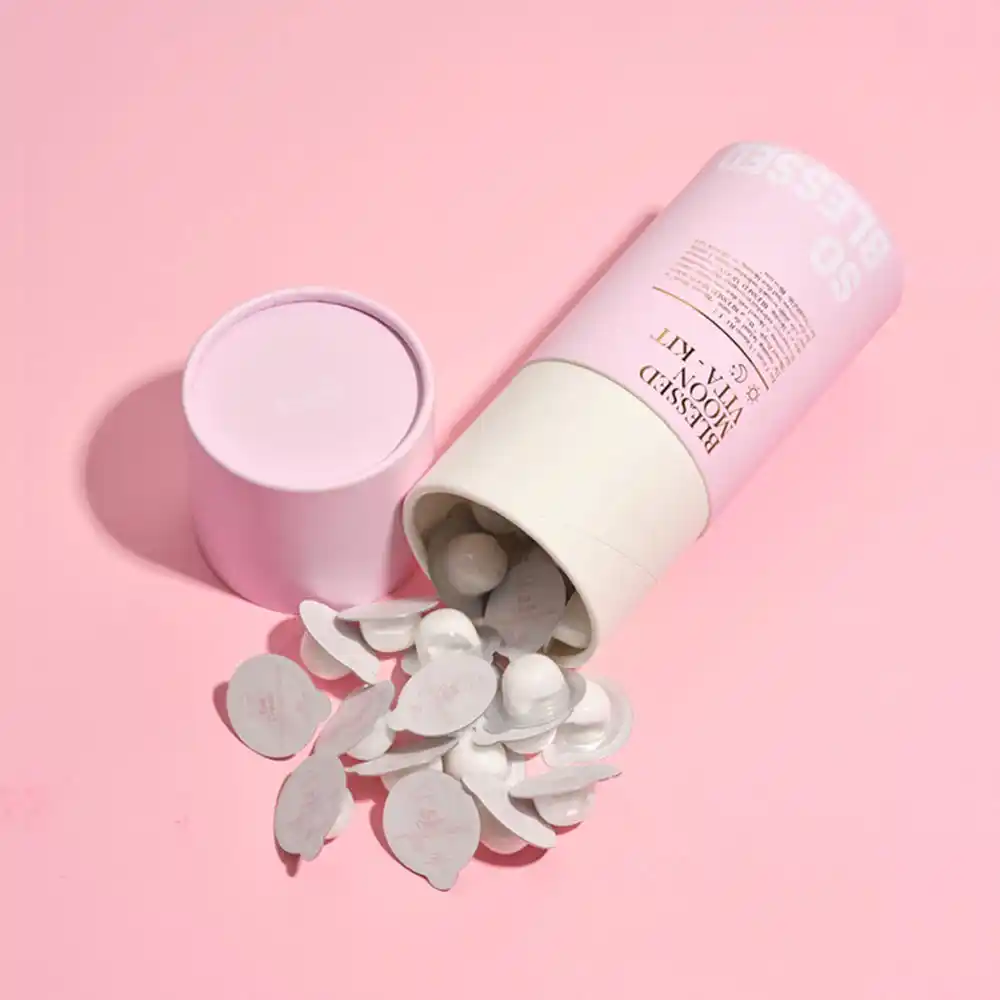
To make this less abstract, here are a few real-world style scenarios (no fake names, just typical use scenes).
Design moves:
This kind of build is very close to what Zhibang already does for beauty sets in both caixas de cosméticos personalizadas and round tubes, so engineering risk is low.
Design moves:
To support shipping, many brands pair tubes with branded shippers using caixas de cartão canelado impressas so the tube itself arrives clean.
Design moves:
Zhibang’s own CBD-focused tubes and cases in the embalagem em tubo de papel category show how to combine barrier material, labeling, and brand story without making the tube noisy.
| Scenario | Typical tube setup | Core design focus |
|---|---|---|
| Skincare ampoules | Short rigid tube + EVA insert | Protection and premium unboxing |
| Tea & coffee | Tall kraft tube + foil liner | Aroma, natural positioning |
| CBD supplements | Mid-height tube + peel-off lid + plug | Safety, compliance, calm branding |
| Gifting / PR kits | Wide tube + ribbon or handle | “Wow” moment, reusability |
You can adapt these to your own industry: swap tea for snacks, swap skincare for fragrance, but the thinking is the same.
Designing tubes on your own can feel messy. Working with a manufacturer that already lives in this world makes the process smoother and faster.
Here’s how Zhibang Packaging usually fits in:
If you’re not sure where to start, a simple first step is:
From there, you and the factory can co-build tubes that actually work in real life: solid on shelf, safe in transit, easy to pack, and on-brand from the first unboxing video to the last refill.
And if a sentence in your spec is not perfect English or has a tiny mis-spell, don’t worry too much—what matters is that the structure, material stack, and artwork decisions are clear enough so the engineers can turn your idea into a clean, reliable tube on the shelf.