Talk To Our Boss If You Didn't Find The Solution
Our boss, Alanna will ask our team to find out the solution very soon! You must be satisfied with our services!


Cosmetics packaging is kinda unforgiving. People don’t “look” at your box. They inspect it—under store lights, under phone flash, sometimes even with a macro lens. And the first thing that ruins a premium finish is stupid dust.
Dust doesn’t feel dramatic, but it shows up as tiny bumps under lamination, random dots in coating, and those annoying surface defects printers call mottle and fish-eyes. Your formula can be perfect, your branding can be clean, but the box still makes the whole product feel… cheaper.
That’s why a dust-free workshop dedicated to premium beauty packaging matters. It helps you keep finishes consistent, reduce rework, and stop the “why is this batch different?” loop.
At Zhibang Packaging, we’re pushing this hard because the market pushed first. Brands want premium cosmetics boxes that look the same on Day 1 and Day 90—across SKUs, across regions, across bigger POs. You can’t do that with luck. You need process.
If you’re building a beauty line, you’re not just buying a box. You’re buying first impression, shelf impact, and a smooth unboxing moment.
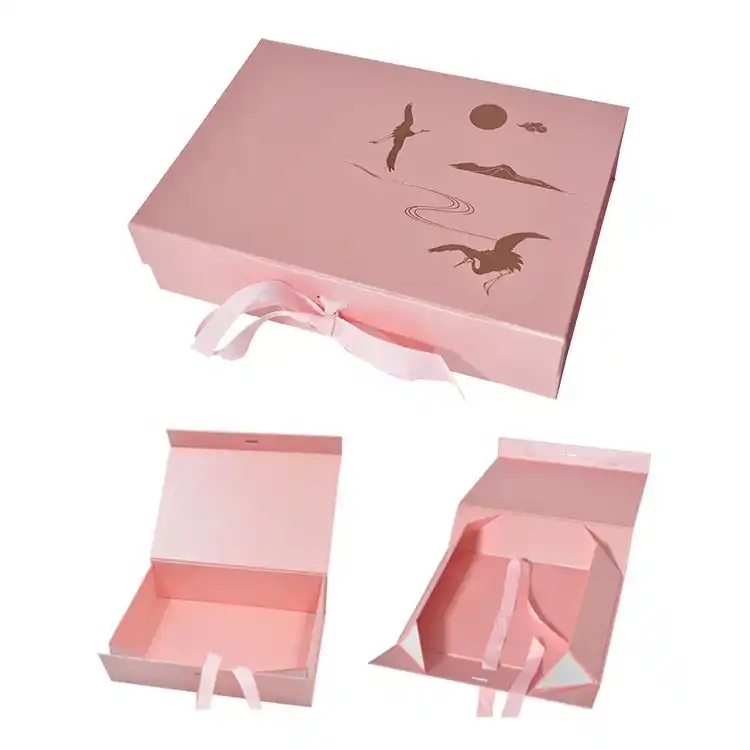
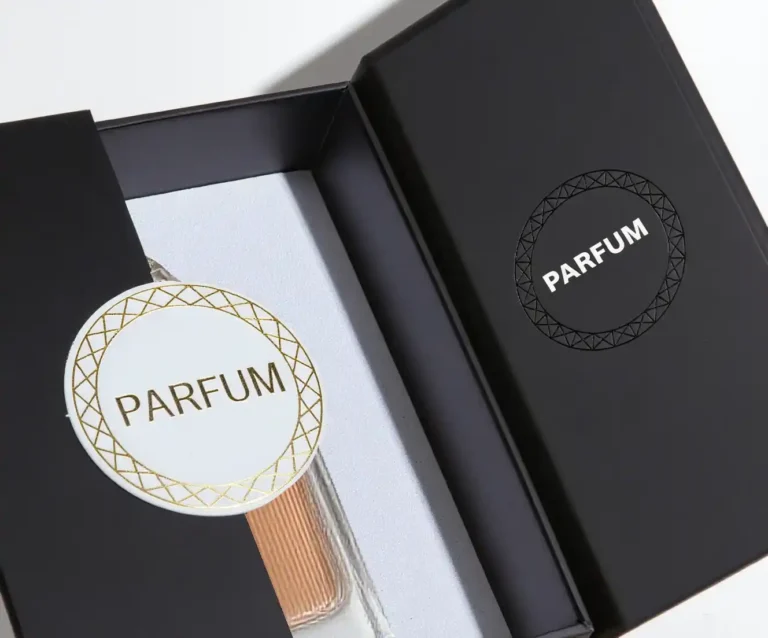
On Custom Cosmetic Boxes, the value promise stays simple: accurate color, premium coatings, smart structures, and shipping protection. That’s exactly what premium cosmetics needs.
Here’s how it plays out in real projects:
A dust-free workshop supports all of that. It’s not a fancy extra. It’s the baseline for premium finishing.
Brands always ask: “Should we do rigid boxes or folding cartons for this SKU?”
The right answer is: depends on channel, margin structure, and finish risk. But the bigger truth is this—both formats can look premium, and both formats can look terrible, if finishing control is weak.
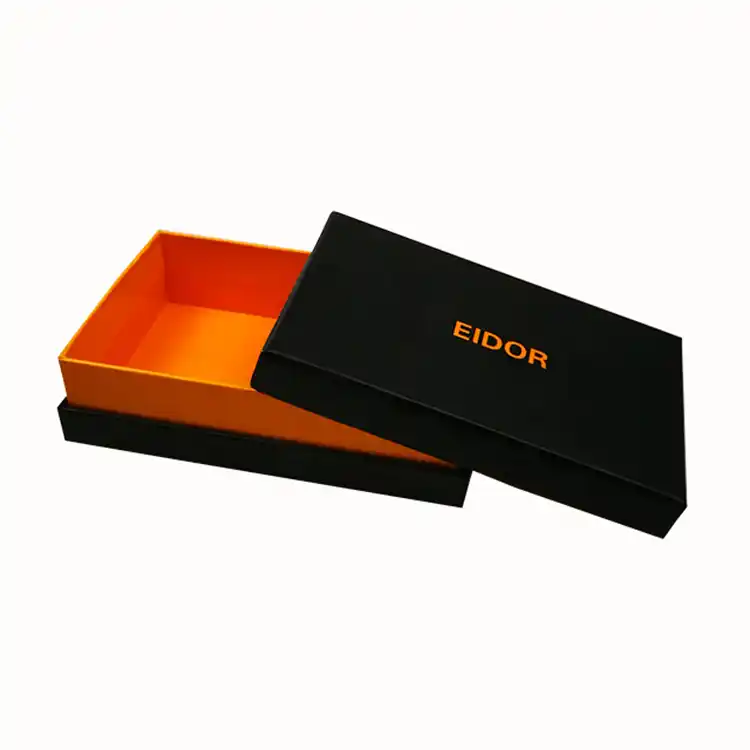
That’s why Rigid Boxes vs. Folding Cartons: A Complete Comparison is useful. It frames the decision around function, presentation, and production control.
Premium cosmetics is high-resolution packaging. Every defect shows. Dust-free finishing reduces the invisible stuff that becomes visible later.
Here’s a practical defect map you can hand to your team (or your supplier). No fluff:
| What you see on the box | Factory “black talk” | Where it usually happens | What actually helps (real fix) |
|---|---|---|---|
| Tiny bumps under film | dust nibs | right before lamination | dust-free zone + line clearance + wipe discipline |
| Random crater dots | fish-eyes | coating/varnish stage | cleaner environment + surface control before coating |
| Patchy surface tone | mottle | varnish laydown stage | stable finishing conditions + consistent laydown |
| “Same art, different shade” | delta-E drift | printing + paper stability | humidity control + press control + tighter QC gates |
| White edge on folds | cracking / white edge | creasing + folding | correct scoring + board selection + process tuning |
You can’t “inspect quality into” a bad environment. You have to build conditions where defects don’t spawn in the first place.
If your box uses matte + foil + spot UV, you’ve probably seen this: the sample looks perfect, but mass production suddenly shows surface issues when lighting changes.
That’s the pain with cosmetics packs. You don’t just need “good.” You need repeatable good.
Dust-free finishing doesn’t solve everything, but it lowers the defect rate so QC becomes verification, not endless sorting.
When brands scale, the real cost isn’t the unit price. The real cost is rework, delays, returns, and the internal time spent chasing packaging problems.
This is where quality assurance matters more than the brochure.
Zhibang runs an ISO-style system (ISO 9001:2015) as the backbone. It’s not exciting, but it’s what keeps work stable when you jump from “small run” to “real volume.”
Why you should care:
If you’ve sourced packaging before, you’ve heard “AQL.” That’s buyer language. On the factory side, it turns into a series of QC gates:
Dust-free finishing supports IPQC in a very direct way. It reduces the number of “visual appearance fails” that come from contamination, not craftsmanship.
And yes, some issues still happen. But when the process is controlled, you don’t get chaos. You get a fix that sticks.
If you want premium boxes, you should ask one question first: “Can this factory run premium finishing consistently, at scale, without drama?”
That’s what the Top Custom Packaging and Printing Manufacturer in Shenzhen page is really about. It explains capability through workflow, equipment, and QC flow.
Zhibang also states a clear production foundation—advanced packaging design + manufacturing, OEM/ODM support, multi-industry coverage (cosmetics, electronics, food), and worldwide delivery across 30+ countries/regions. That matters because cosmetics brands don’t sell in one place anymore.
Paper isn’t just paper. Board stability affects print, scoring, folding, and even how corners look.
Incoming inspection is boring, but it saves you from the worst delay: discovering material issues after you already printed.
For cosmetics, raw material control also helps with:
Premium cosmetics boxes get judged by appearance first. People don’t forgive small defects because the product category screams “detail.”
Finished product inspection typically focuses on:
Dust-free finishing supports this stage by reducing contamination-based defects. It doesn’t replace inspection. It makes inspection less painful.
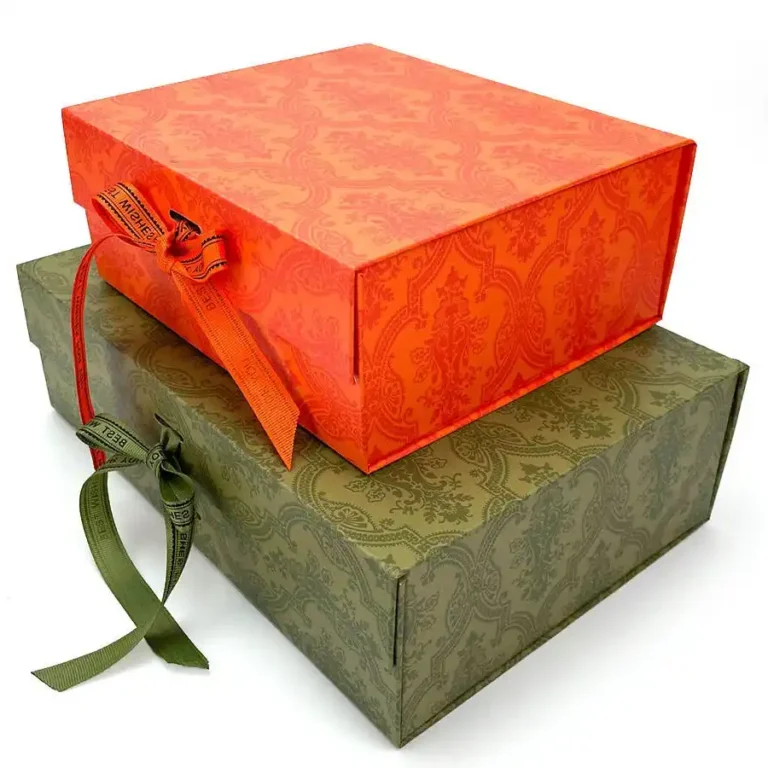
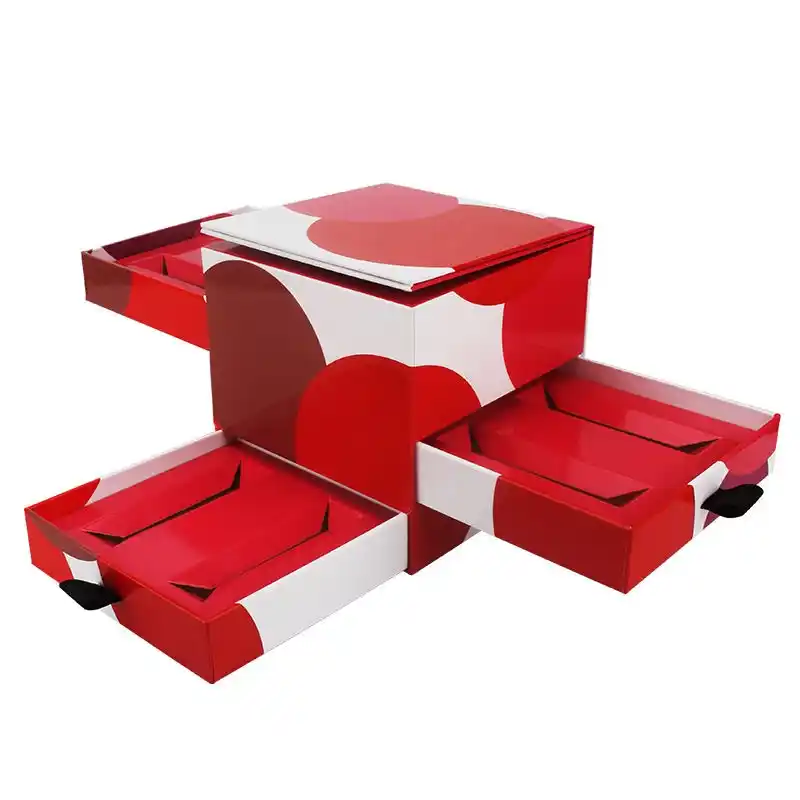
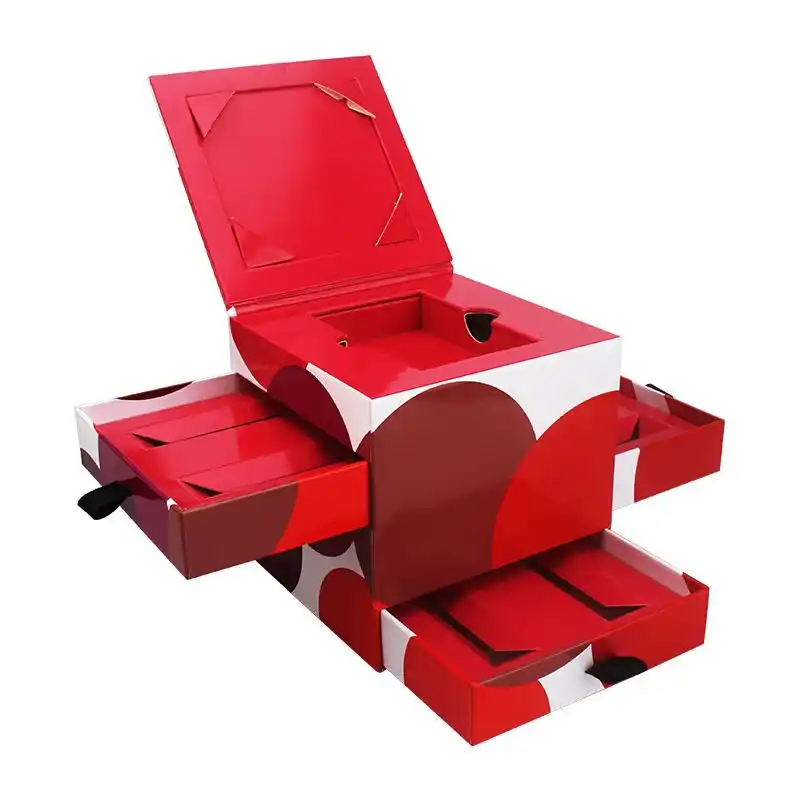
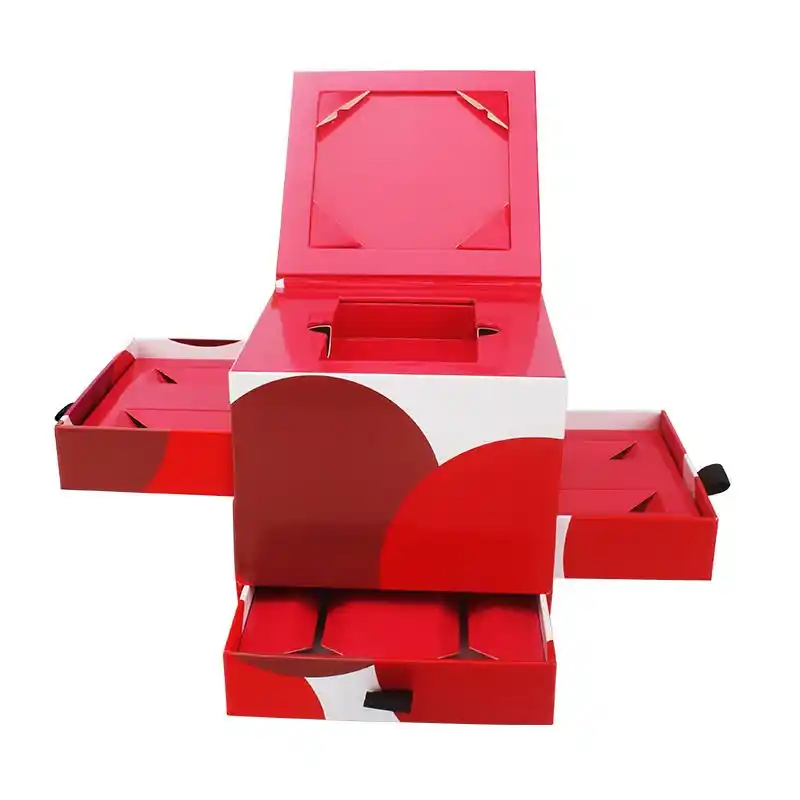
Cosmetics gift sets aren’t just packaging. They’re merchandising. They’re content. They’re “wow moment.”
That’s why Paper Gift Boxes matter for beauty brands doing bundles, PR kits, or holiday drops.
Where the dust-free workshop helps most:
If your box has a “ceremony open,” any dust inside feels like a broken promise. Sounds dramatic, but it’s true.
Folding cartons are the workhorse of cosmetics: skincare cartons, makeup cartons, inner packs. Big volume, fast packing, lots of SKUs.
Folding Cartons work when you keep three things tight:
Common carton pain points (real-life stuff):
Dust-free finishing matters here when cartons use coatings or special finishes. The cleaner the environment, the fewer random surface fails.
Beauty brands ship now. A lot. And corrugated packaging isn’t just “outer shipping.” For DTC, it’s part of the brand moment.
That’s why Printed Corrugated Boxes are a smart play: durability plus presentation.
Where brands lose money quietly:
A dust-free workshop doesn’t fix crush by itself (structure does that). But it helps keep the printed finish and presentation cleaner, so your delivery still looks brand-level.
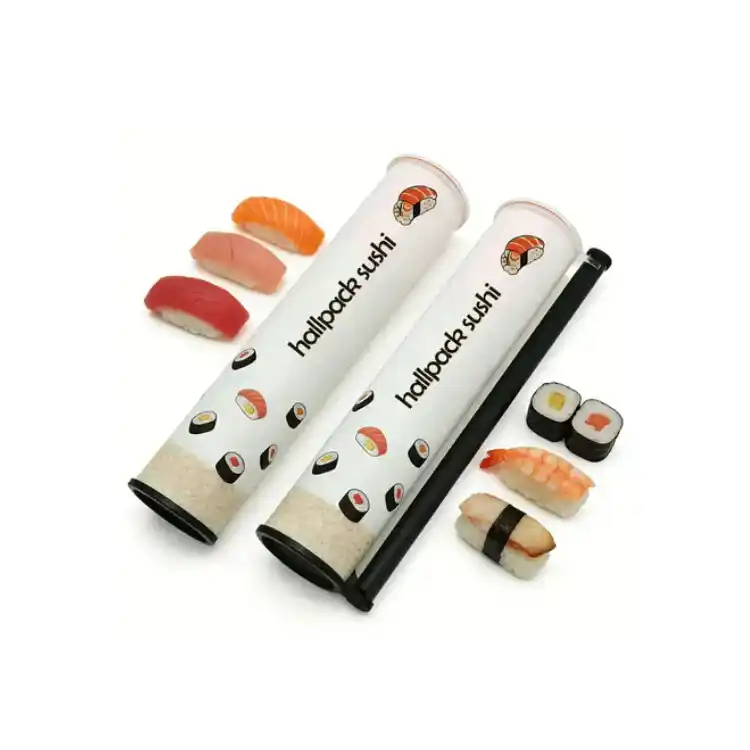
Paper tubes are hot in cosmetics—balms, oils, scrubs, special editions. They look premium and feel “eco” without trying too hard.
Paper Tube Packaging has its own QC quirks:
Dust control matters here because tubes have large continuous surfaces. Tiny specks show up fast. And once you see it, you can’t unsee it.
So what’s the real business point of opening a new dust-free workshop for premium custom cosmetic boxes?
It’s simple:
Zhibang Packaging positions itself as a global custom paper packaging manufacturer with OEM/ODM support, ISO-based quality management, and wide product coverage. A dust-free workshop fits that promise because cosmetics packaging punishes every weak link—especially finishing and assembly.
If you want your packaging to look premium not just in the sample room, but in real life—on shelves, in warehouses, in DTC deliveries—then a dust-free finishing workflow isn’t optional. It’s how you keep your brand looking expensive, even when operations gets messy.