Sprechen Sie mit unserem Chef, wenn Sie die Lösung nicht gefunden haben
Unsere Chefin, Alanna, wird unser Team bitten, sehr bald eine Lösung zu finden! Sie müssen mit unseren Dienstleistungen zufrieden sein!


Lassen Sie uns zunächst etwas klarstellen.
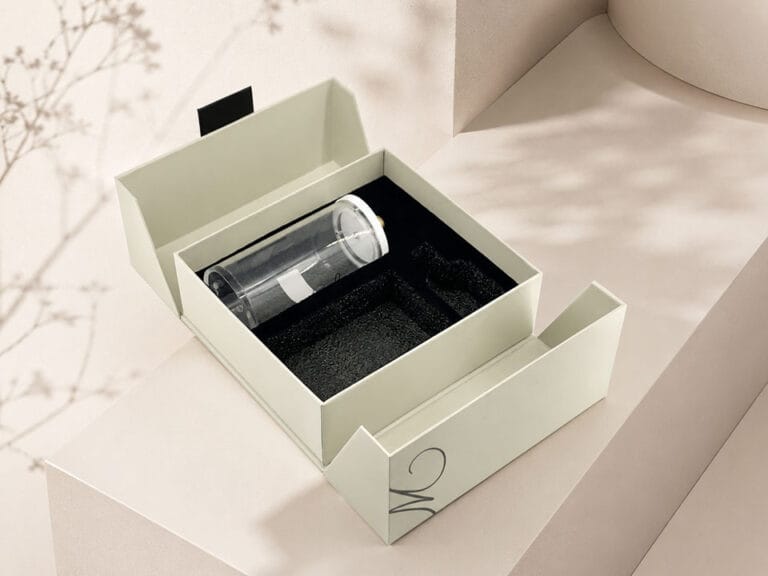
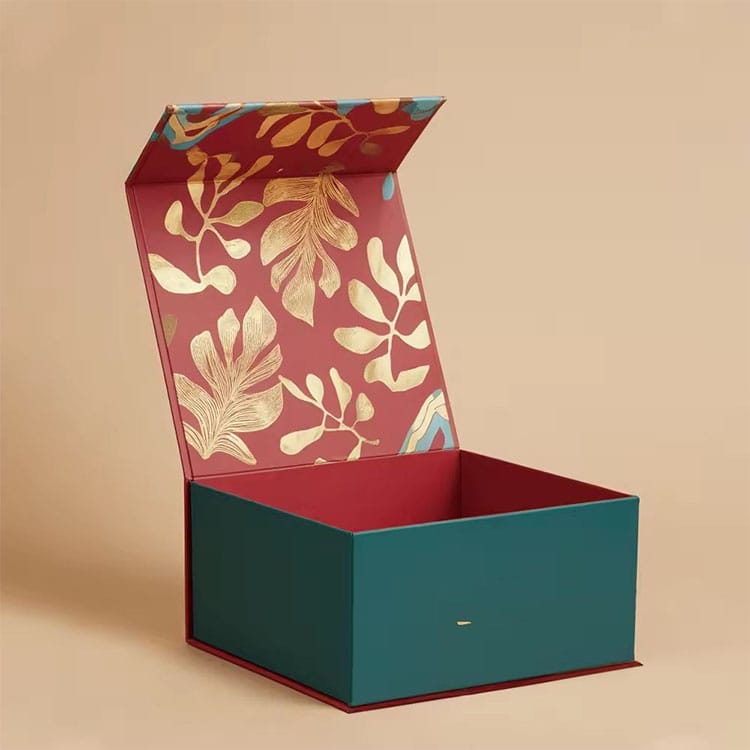
Eine Hartkartonverpackung ist kein Faltkarton mit Größenwahn. Sie ist etwas ganz anderes. Während eine Faltverpackung flach versandt wird und sich beim Auspacken aufklappen lässt, wird eine Hartkartonverpackung fertig montiert geliefert und behält ihre Form, da sie aus dicker Spanplatte oder Graupappe gefertigt ist, die nicht zusammenfällt. Deshalb werden sie in der Branche auch als “Rigid Setup Boxes” bezeichnet: Sie werden bereits im Werk „aufgebaut“ und nicht erst von der Person, die sie auspackt.
Sie haben schon einmal eine in der Hand gehalten. Die Uhrenbox. Die iPhone-Verpackung. Die Verpackung für Premium-Whisky. Dieses solide, angenehme Gewicht, wenn man den Deckel anhebt? Das ist eine stabile Kartonverpackung, die ihre Aufgabe erfüllt, noch bevor der Kunde das Produkt darin überhaupt zu Gesicht bekommt.
Das ist es, was die meisten Einkäufer übersehen: Eine Hartkartonverpackung besteht aus drei Komponenten, die zu einem einzigen Objekt zusammengefügt sind: einer Struktur (der Karton und seine Konstruktion), einem Materialsystem (Umhüllungspapier, Klebstoffe, Magnete, Folien, Einlagen) und einem visuellen Markenelement (Druck, Veredelung, Farbe). Wenn eines davon nicht stimmt, leiden die anderen beiden darunter. Ein wunderschöner Druck auf einem verzogenen Deckel wirkt immer noch billig. Eine perfekte Struktur mit trüben Farben wird von Einkäufern im Einzelhandel dennoch abgelehnt.
Wenn man davon ausgeht, dass Hartkartons nur einen Nischenbereich der Verpackungsbranche darstellen, sprechen die Zahlen eine andere Sprache.
Laut Fortune Business Insights (öffnet in einem neuen Tab) belief sich der Markt für Hartkartons im Jahr 2025 auf 65,44 Milliarden US-Dollar und wird voraussichtlich bis 2034 auf 100,35 Milliarden US-Dollar anwachsen, was einer durchschnittlichen jährlichen Wachstumsrate (CAGR) von 4,92% entspricht. Allein Nordamerika hielt im Jahr 2025 einen Marktanteil von 33,21%. Dies ist kein schrumpfender Markt. Es handelt sich um eine Kategorie mit echtem Schwung, angetrieben von Marken, die verstehen, dass das Auspacken Teil des Produkts ist.
Wenn man sich die Premium-Stufe genauer ansieht, wird die Geschichte deutlicher. Zukunftsaussichten (öffnet in einem neuen Tab) schätzt den Markt für luxuriöse Hartkartons im Jahr 2025 auf 8,34 Milliarden US-Dollar, steigt auf 8,84 Mrd. USD im Jahr 2026 und wird voraussichtlich bis 2036 bei einer durchschnittlichen jährlichen Wachstumsrate (CAGR) von 6,0% 15,84 Mrd. USD erreichen. Zwei Daten aus demselben Bericht sind für jeden wichtig, der eine Schachtel spezifiziert: Karton könnte im Jahr 2026 58,01 TP3T der Nachfrage nach Produkttypen ausmachen, und Kosmetik sowie Körperpflege könnten 37,01 TP3T der Nachfrage nach Anwendungsbereichen ausmachen. Wenn Sie eine Beauty-Marke sind, sind Sie kein Ausreißer. Sie sind der Dreh- und Angelpunkt.
Und die allgemeine Strömung trägt auch dieses Boot mit. Grand View Research (öffnet in einem neuen Tab) schätzt den weltweiten Markt für Papierverpackungen im Jahr 2025 auf 416,07 Mrd. USD; bis 2033 soll er bei einer durchschnittlichen jährlichen Wachstumsrate (CAGR) von 5,0% 611,66 Mrd. USD erreichen, wobei das Anwendungssegment E-Commerce und Einzelhandel von 2026 bis 2033 mit einer CAGR von 6,61 TP3T am schnellsten wachsen wird. Mehr online verkaufte Produkte bedeuten mehr erste Eindrücke, die vollständig von der Verpackung abhängen.
Ich möchte Ihnen von einem Muster erzählen, das mir immer wieder auffällt, denn es könnte Ihnen einen fünfstelligen Fehler ersparen.
Kürzlich bin ich auf eine Diskussion zum Thema Fertigung gestoßen, die mir schmerzlich bekannt vorkam. Ein Einkäufer hatte ein ansprechend aussehendes Muster genehmigt, den Großauftrag erteilt und das eigentliche Problem erst entdeckt, als die Produktion eintraf. Das Muster sah akzeptabel aus. Die gelieferte Ware war jedoch minderwertig. Ein anderer Einkäufer in demselben Thread brachte es auf den Punkt: Die Beschaffung im Ausland kann zu einem “Minenfeld” werden, wenn Unterlagen, Prüfberichte und die Konsistenz der Produktion nicht ordnungsgemäß überprüft werden.
Diese Geschichte hat mich besonders angesprochen, weil ich das bei Projekten mit starren Verpackungen immer wieder beobachtet habe. Der Einkäufer genehmigt ein wunderschönes Handmuster, ist begeistert davon und legt den tatsächlichen Produktionsstandard nie fest. Kartonstärke. Dichte des Graukartons. Umhüllungspapier. Klebetechnik. Magnetstärke. Passgenauigkeit der Innenschale. Farbabweichung. Folienposition. Verpackungsart des Kartons.
Dann kommt die Serienproduktion ins Spiel – mit kleinen, aber fatalen Unterschieden. Die Deckel sitzen locker. An den Ecken bilden sich Falten. Die Magnetverschlüsse passen nicht bündig zusammen. Die Folienprägung ist um einige Millimeter verschoben. Die Farbe ist zwar ähnlich, aber nicht ähnlich genug für ein Verkaufsregal, in dem das Produkt neben einem Konkurrenten steht, der alles richtig gemacht hat.
Deshalb sage ich meinen Kunden immer wieder, dass sie ein Muster einer starren Schachtel nicht als hübsches Modell betrachten sollen. Sie sollten es als Dokument zur Produktionskontrolle betrachten. Ein von einem erfahrenen Handwerker im Musterraum gefertigtes Handmuster ist nicht dasselbe wie 5.000 Einheiten, die über eine Produktionslinie laufen. Wenn das freigegebene Muster, die Stanzvorlage, die Druckvorlagendatei, die Materialspezifikation, der Toleranzbereich und die Checkliste für die Auslieferungsprüfung nicht alle miteinander verknüpft sind, setzen Sie den gesamten Auftrag aufs Spiel. Das Muster ist nur ein Versprechen. Erst die Unterlagen machen dieses Versprechen einklagbar.
Hier ist etwas, womit ich mir bei Verkaufsgesprächen keine Freunde mache: Die Suche nach dem günstigsten Angebot für maßgefertigte Hartkartons ist oft teurer, als von Anfang an die richtige Fabrik auszuwählen.
Die meisten Käufer glauben, dass sich die Kosten für eine Hartkartonverpackung aus drei Faktoren zusammensetzen: Karton, Druck und Arbeitskosten. Das ist falsch. Die wahren Kosten verbergen sich in den Fehlern: Falsche Abmessungen, schwache Struktur, schlechte Materialauswahl, Farbabweichungen, lockere Deckel, schlecht sitzende Einlagen, beschädigte Ecken, verzögerte Musterlieferungen und zurückgewiesene Verkaufsverpackungen.
In Verpackungsleitfäden werden immer wieder dieselben Risiken hervorgehoben, und diese sind keineswegs ungewöhnlich. Ungenaue Größenangaben treiben Ihre Versandkosten unbemerkt in die Höhe. Das Weglassen eines Prototyps führt zu teuren Nachdrucken. Und die Liste der Mängel bei Hartkartons ist bedrückend einheitlich: Verziehen, Falten an den Ecken, Delaminierung, Fehlausrichtung, Blasenbildung und Maßabweichungen. Nichts davon taucht im Preisblatt auf. All das schlägt sich jedoch in Ihrem Nachbestellbudget nieder.
Mein Rat ist also ganz einfach: Beginnen Sie nicht mit der Frage “Was ist Ihr niedrigster Preis?”, sondern fragen Sie stattdessen: “Können Sie diese Verpackung in der Serienfertigung kontrollieren?”
Ein seriöser Lieferant sollte in der Lage sein, Themen wie Plattendicke, Umhüllungstoleranz, Farbkontrolle, Grenzen der Oberflächenveredelung, Einlegeteilstruktur, Erwartungen an Falltests, Verpackungsmethode und Prüfkriterien zu erörtern, bevor er aggressive Preisangebote unterbreitet. Wenn ein Hersteller Ihnen lediglich einen günstigen Preis nennen kann, aber nicht erklären kann, wie er Mängel verhindern will, schützt er Ihr Budget nicht. Er wälzt das Risiko direkt auf Sie zurück. Ein niedriges Angebot ohne dahinterstehenden Prozess ist nichts anderes als eine Rechnung, die Sie noch nicht erhalten haben.
Wenn Sie eine Hartkartonverpackung herstellen, sind dies die Faktoren, die über den Erfolg Ihres Auftrags entscheiden. Wenn Sie diese außer Acht lassen, überlassen Sie das Ergebnis dem Zufall.
| Komponente | Was es steuert | Häufige Fehler, wenn sie ignoriert werden |
|---|---|---|
| Dicke der Graupappe (mm) | Stabile Konstruktion, hochwertige Haptik | Dünne Wände, einstürzende Deckel |
| Dichte von Graupappe | Gewicht, Haltbarkeit, Verformungsbeständigkeit | Verzerrungen, weiche Ecken |
| Geschenkpapier & GSM | Oberflächenoptik, Druckqualität, Verschleiß | Blasenbildung, Delaminierung |
| Klebemethode | Haftfestigkeit, Langlebigkeit | Abblättern, sich lösende Nähte |
| Magnetstärke und Anbringung | Schließgefühl, Ausrichtung | Fehlausgerichtete oder schwache Augenlider |
| Passform der inneren Schale / des Einsatzes | Produktschutz, Eindruck beim Auspacken | Klapperndes, loses Produkt |
| Farbabweichung (Delta-E) | Konsistenz der Marke | Farbvariante einer No-Name-Marke im Regal |
| Folie / Prägeposition | Genauigkeit des Logos | Verschobenes, schiefes Branding |
| Verpackungsverfahren für Kartons | Transitschutz | Bei der Ankunft waren die Ecken eingedrückt |
Ist dir etwas aufgefallen? Keiner dieser Punkte ist optional, wenn dir das Ergebnis am Herzen liegt. Das ist genau die Checkliste, die ein echter Hersteller von maßgefertigten starren Kisten werden wir vor der Angebotserstellung gemeinsam mit Ihnen durchgehen, denn hinter jedem Einzelposten verbergen sich oft billige Abstriche. Allein die Einlage kann über den Erfolg oder Misserfolg des Auspackerlebnisses entscheiden: Eine Schachtel mit einer Einlage, die das Produkt fest umschließt, wirkt durchdacht, während eine lose Einlage den Eindruck erweckt, als sei sie nur nachträglich hinzugefügt worden.
Es gibt mehr verschiedene Arten von Hartkartons, als den meisten Käufern bewusst ist, und die richtige Bauweise hängt von Ihrem Produkt und dem Ziel beim Auspacken ab.
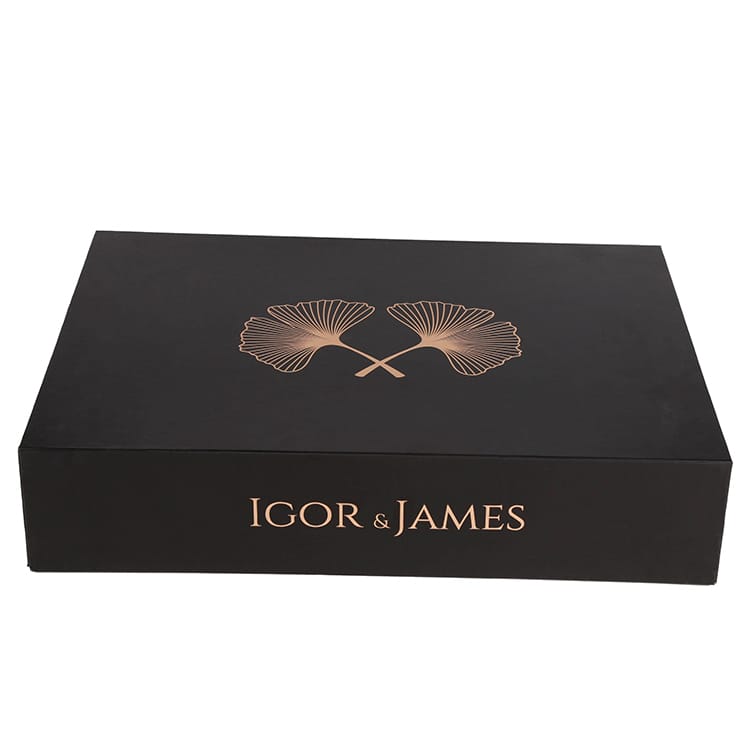
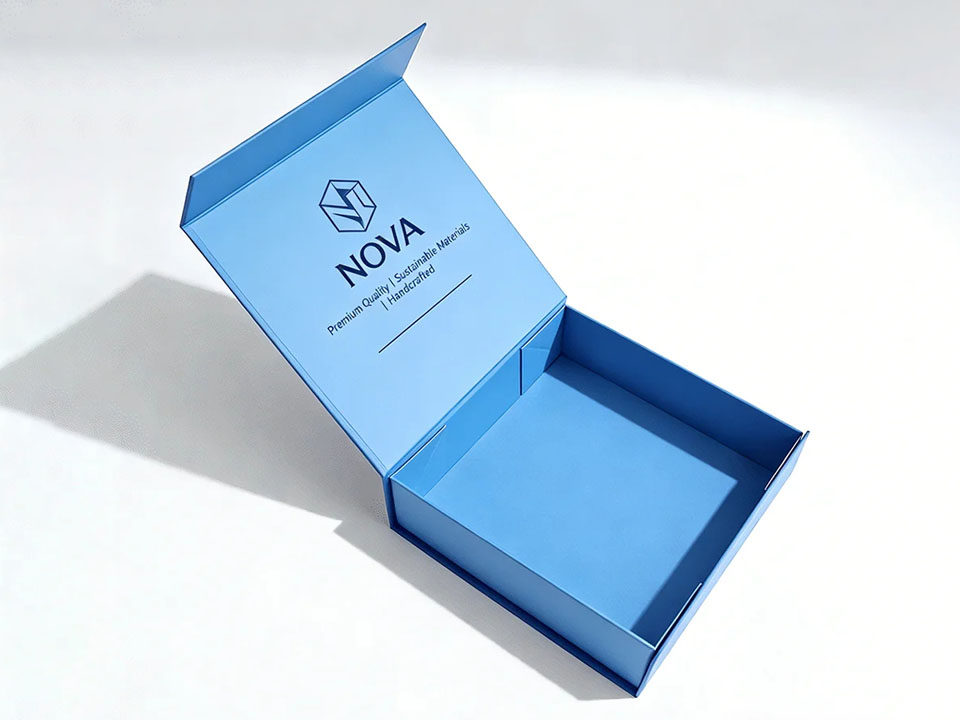
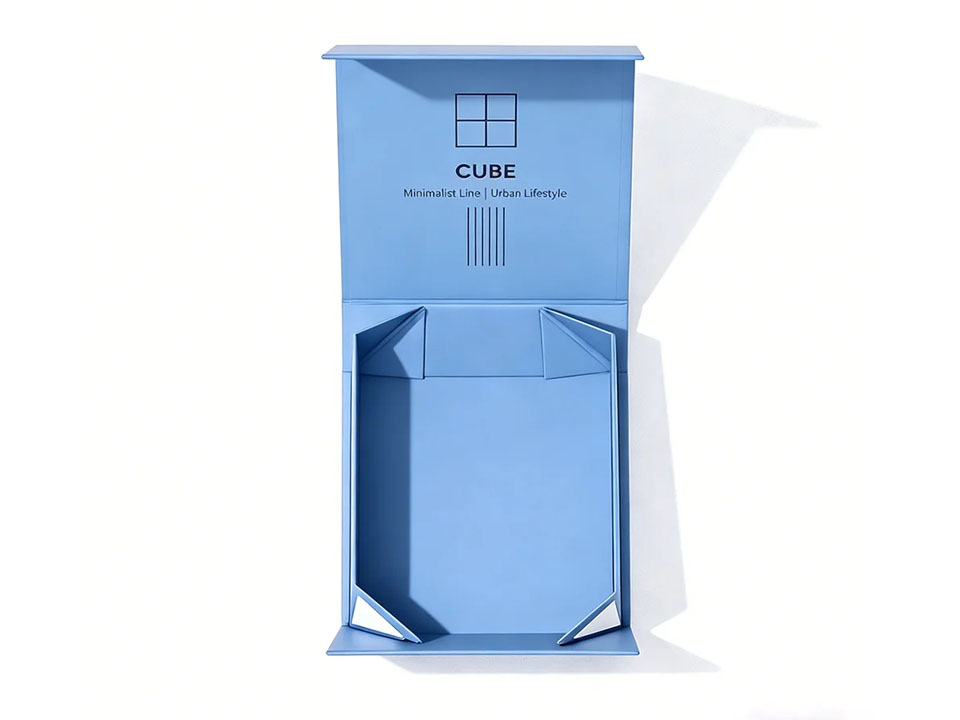
Boxen mit Magnetverschluss sind der Publikumsliebling für Geschenke und den Premium-Einzelhandel. Das befriedigende Klicken beim Schließen des Deckels ist ein kleines Theaterstück – und es funktioniert. Wenn Sie ein Geschenkset oder einen Artikel mit hoher Marge auf den Markt bringen, Maßgefertigte Schachteln mit Magnetverschluss ein haptisches Signal vermitteln, das sagt: “Das war den Preis wert.” Die Kunst besteht darin, die Magnetstärke und -ausrichtung genau abzustimmen, denn ein schwacher oder schiefer Verschluss macht den gesamten Effekt zunichte.
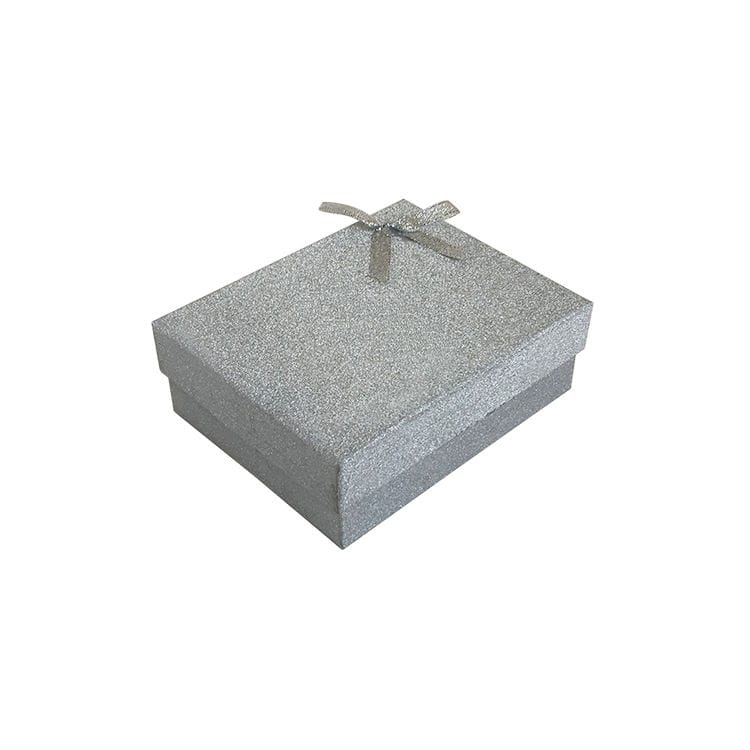
Schachteln mit Deckel und Boden (zweiteilig) Das ist das klassische Sortiment. Denken Sie an Bekleidung, Schuhe und Traditionsmarken. Schlicht, zeitlos und unendlich vielseitig kombinierbar.
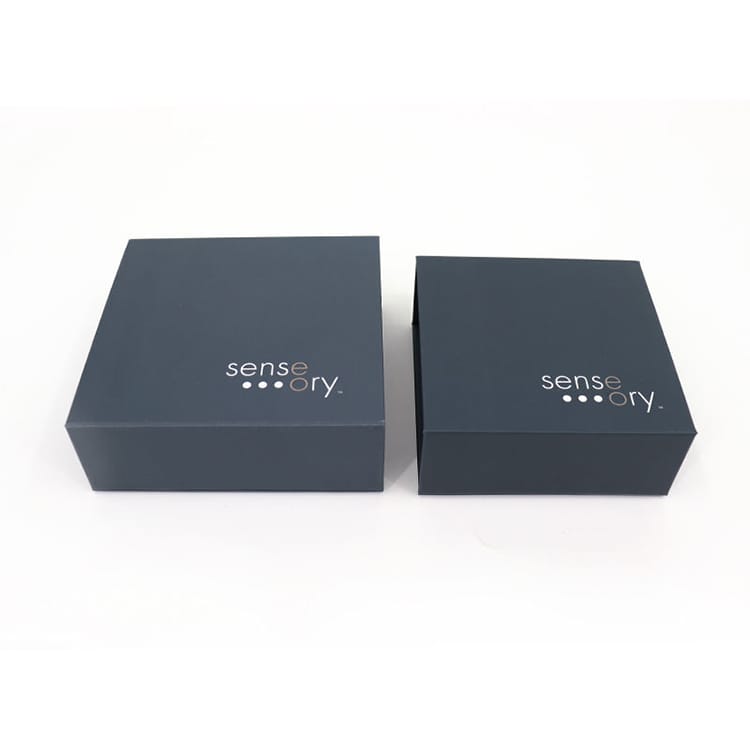
Schubladen / Ausziehfächer Schaffen Sie einen Überraschungseffekt, wenn sich die innere Schale herausschieben lässt. Beliebt für Pralinen, Schmuck und Technikzubehör.
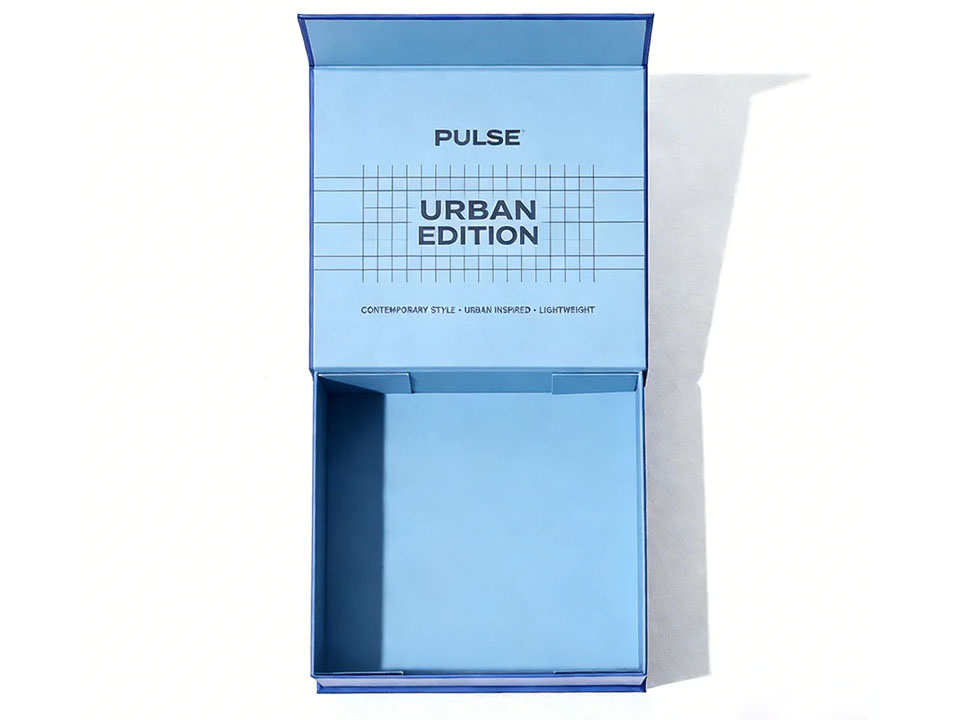
Schachteln im Buchformat Es lässt sich wie ein Hardcover aufschlagen und bietet so eine flache, bedruckbare Innenseite, die sich perfekt für Geschichten oder Produktinformationen eignet.
Bei Spezialprodukten muss die Verpackung auf den Inhalt abgestimmt sein. Eine Marke, die beispielsweise empfindlichen Weihrauch versendet, benötigt starre Luxusboxen mit Einsätzen, die so konstruiert sind, dass sie dünne, zerbrechliche Stäbchen sicher halten, ohne dass sie sich während des Transports verschieben. Die Wahl des Modells ist nicht nur eine Frage der Ästhetik. Es ist eine Schutzmaßnahme.
Der Begriff „stabile Kartonverpackungen“ wird Ihnen immer wieder begegnen, und das hat seinen Grund. Karton ist das Arbeitstier dieser Kategorie: recycelbar, bedruckbar, robust und zugleich hochwertig anmutend. Deshalb dürfte er im Jahr 2026 58% der Nachfrage nach stabilen Luxusverpackungen ausmachen.
Der strukturelle Kern besteht in der Regel aus Graupappe (auch Spanplatte genannt), einer dichten, gepressten Platte, die der Schachtel ihr Rückgrat verleiht. Um diesen Kern herum wird das Umhüllungspapier angebracht, auf dem sich Druck, Textur und Oberflächenveredelung befinden. Die Auswahlmöglichkeiten hier – matte Laminierung, Soft-Touch-Beschichtung, Spot-UV-Lackierung, Folienprägung, Prägung – bestimmen, wie die fertige Schachtel wirkt: zurückhaltender Luxus oder auffällig und glänzend.
Der Punkt ist, dass es bei der Materialauswahl nicht um eine einzelne Entscheidung geht. Es ist eine ganze Reihe von Entscheidungen, die sich gegenseitig beeinflussen. Ein schweres Graupappe-Karton mit einer dünnen, billigen Umhüllung fühlt sich immer noch falsch an. Eine hochwertige Umhüllung auf einem schwachen Karton gibt dennoch nach. Die richtige Balance ist entscheidend.
Wenn Sie nur eine Sache aus diesem Leitfaden mitnehmen, dann diese: Der Prozess Ihres Lieferanten ist wichtiger als dessen Preis. Hier erfahren Sie, wie Sie eine Fabrik auf Herz und Nieren prüfen können, bevor Sie sich festlegen.
Bitten Sie den Lieferanten, seine Inspektion vor dem Versand zu erläutern. Ein seriöser Lieferant wird beschreiben, dass er Maße, Farbe anhand eines genehmigten Standards, die Ausrichtung der Verschlüsse und die Verpackungsmethode überprüft – und nicht nur sagt: “Wir prüfen die Qualität.” Fragen Sie nach der Farbkontrolle und ob der Lieferant mit einer Delta-E-Toleranz arbeitet. Fragen Sie, wie der Anbieter mit einem Handmuster im Vergleich zu einer Serienproduktion umgeht, denn ein Lieferant, der den Unterschied zwischen beiden versteht, ist ein Lieferant, der schon einmal schlechte Erfahrungen gemacht und daraus gelernt hat. Und bitten Sie darum, zu sehen, wie der Lieferant das genehmigte Muster mit der Stanzvorlage, der Druckvorlage und dem Datenblatt in Verbindung bringt.
Wenn Sie bereit sind, den nächsten Schritt zu gehen, sollten Sie direkt mit einem Hersteller zusammenarbeiten, der Starre Kisten nach Maß „End-to-End“ – im Gegensatz zu einem Makler, der blind auslagert – bedeutet, dass die Person, die Ihnen das Angebot unterbreitet, auch diejenige ist, die die Leitung kontrolliert. Das ist der Unterschied zwischen einem Versprechen und einer Garantie.
Was ist der Unterschied zwischen einer Hartschachtel und einem Faltschachtel?
Eine starre Schachtel wird fertig montiert geliefert und behält ihre Form dank der dicken Graupappe bei, während eine Faltschachtel flach geliefert und erst bei Gebrauch zusammengefaltet wird.
Bei starren Schachteln wird etwa 2–3 mm dicker Karton verwendet, der mit bedrucktem Papier ummantelt ist, was ihnen ihr hochwertiges Gewicht und ihre Strapazierfähigkeit verleiht. Faltschachteln sind leichter, kostengünstiger und beim Versand platzsparender, können jedoch weder mit der stabilen Haptik noch mit der wahrgenommenen Wertigkeit einer starren Schachtel mithalten.
Wie viel kosten maßgefertigte Hartkartons?
Die Kosten hängen von der Größe, der Kartonstärke, den Oberflächenveredelungen, den Einsätzen und der Bestellmenge ab, daher gibt es keinen einheitlichen Preis. Im Vergleich zu Faltschachteln ist mit höheren Preisen zu rechnen.
Entscheidend ist, dass das günstigste Angebot oft teurer wird, wenn Mängel, Nachdrucke und zurückgewiesene Verkaufsverpackungen hinzukommen. Ein Lieferant, der bereits vor der Angebotserstellung seine Produktionskontrollen erläutert, spart in der Regel über den gesamten Auftragszyklus hinweg Geld – selbst bei einem höheren Listenpreis.
Wie hoch ist die Mindestbestellmenge für individuell gestaltete Hartkartons?
Die Mindestbestellmengen variieren je nach Hersteller, liegen jedoch bei vollständig individuell gestalteten Hartkartons in der Regel bei etwa 500 bis 1.000 Stück, da hierfür Werkzeugkosten und Einrichtungsaufwand anfallen.
Da für starre Schachteln Stanzvorlagen, maßgefertigte Einlagen sowie Vorbereitungsarbeiten für das Umhüllen und die Endbearbeitung erforderlich sind, ist die Herstellung sehr kleiner Stückzahlen oft unwirtschaftlich. Erkundigen Sie sich frühzeitig bei Ihrem Hersteller nach der Mindestbestellmenge (MOQ), da diese den Stückpreis erheblich beeinflusst.
Sind starre Kartons aus Pappe recycelbar und umweltfreundlich?
Ja, starre Kartons aus Pappe sind in der Regel recycelbar, allerdings können Magnete, bestimmte Folien und Laminierungen das Recycling je nach den örtlichen Anlagen erschweren.
Die Recyclingfähigkeit von Karton ist ein wesentlicher Grund dafür, dass er in dieser Kategorie dominiert. Marken, die auf maximale Nachhaltigkeit setzen, können recyclingfreundliche Oberflächen, Beschichtungen auf Wasserbasis und leicht entfernbare Magnetkomponenten anfordern, damit die Schachtel im Hausmüll recycelt werden kann.
Wie stelle ich sicher, dass meine Großbestellung mit meinem freigegebenen Muster übereinstimmt?
Legen Sie ein detailliertes Datenblatt, eine Schnittvorlage, eine Druckvorlagendatei, die Farbtoleranz sowie eine Checkliste für die Inspektion vor dem Versand fest und verweisen Sie dabei auf das genehmigte Muster. Behandeln Sie das Muster als Dokument zur Produktionskontrolle.
Zu Fehlern kommt es, wenn Einkäufer ein Handmuster genehmigen, ohne es mit verbindlichen Produktionsstandards zu verknüpfen. Wenn Plattendicke, Magnetstärke, Farbtoleranz und Verpackungsart vor dem Versand dokumentiert und geprüft werden, verringert sich die Diskrepanz zwischen Muster und Großauftrag erheblich.