Talk To Our Boss If You Didn't Find The Solution
Our boss, Alanna will ask our team to find out the solution very soon! You must be satisfied with our services!






When a package meets light and fingertips, it starts talking. Matt film whispers with muted elegance; glossy film beams with show-floor confidence. This article maps how each finish shapes visual impact, tactile memory, shelf readability, scuff resistance, and sustainability—and how to choose or blend them to serve brand strategy, category norms, and real-world logistics.
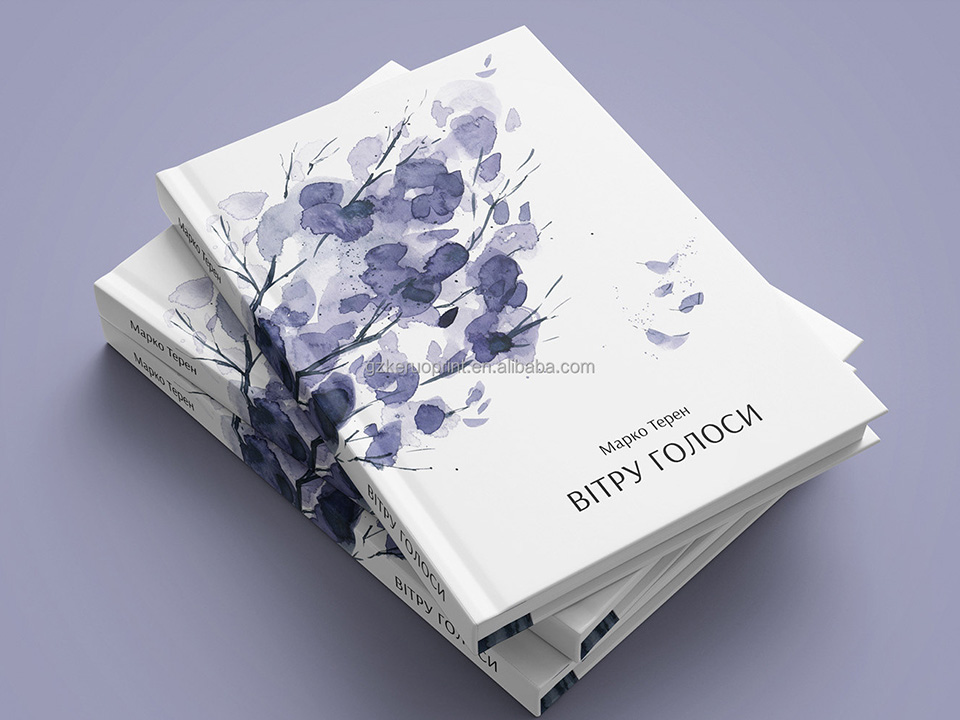
Matt lamination diffuses light, lowering specular highlights and increasing perceived sophistication. Colors appear slightly toned and typography feels calmer—ideal for premium beauty, tech, and gift sets that want understatement. By contrast, glossy lamination amplifies chroma and edge contrast, throwing a “wet look” that heightens shelf pop for FMCG, confectionery, and promotional lines. Teams often anchor brand architecture with this polarity: matt for master brand gravitas, gloss for sub-line vitality. See how a matte smartwatch box telegraphs restraint in this luxury matte rigid paperboard smart watch packaging gift box.
Finish isn’t just optics—it’s haptics. Matt films, especially soft-touch variants, increase friction for a secure grip and upscale “velvet” feel, while also masking minor fingerprints. Glossy films are slicker to the touch and easier to wipe clean, which helps in high-traffic retail and e-commerce repacking. On folding cartons for cosmetics, glossy lamination can make micro type and metallic accents pop, as in this custom printed folding carton for cosmetics with glossy logo.
Plan for lighting conditions. Under store spots and LED strips, gloss can glare and obscure fine print; matt stays legible at wider viewing angles. Conversely, in dim aisles or online photos, gloss rebounds more light and improves scan-stopping sparkle. Mixed surfaces tame extremes—pair a matte body with spot UV for logo lift, as shown in these luxury folding magnetic gift boxes with spot UV design.
Use matt to cue craftsmanship and sustainability narratives—earth-tone papers, linen textures, or uncoated looks protected by a low-sheen film. Jewelry, fragrance, and electronics gift packs often layer matte lamination over textured boards for quiet luxury. Explore formats across paper gift boxes and premium folding cartons to build a modular matte toolkit.
Gloss sells speed and freshness. It brightens fruit reds, cosmetic teals, and metallics; it also supports heavy coverage artworks and high-frequency halftones in catalogs, sleeves, and display panels. For high-contrast graphics on shipping-with-style mailers, reference a glossy printed corrugated box for LED lighting packaging.
Brand designers increasingly script “matte silence, glossy punch.” Common stacks:
Without quoting numbers, here’s the logic: lamination adds a protective polymer layer and a pass through finishing. Gloss films typically yield higher ink density perception per same print base; matt films may require careful color compensation (slight curve tuning) to maintain vibrancy. Artwork density, run length, and structural complexity often matter more than the finish in isolation—optimize the whole bill of process via a vendor who handles lamination, spot varnish, and foil in-house at the same time. Start your brief at the homepage to align structure + finish early.
Performance costs accrue over time: scuffing during transit, fingerprint visibility in stores, abrasion on edges, and re-photography for e-commerce. Matt masks micro-wear; gloss cleans easily. In humid routes, gloss can better resist ambient moisture ingress on printed areas, while matt’s higher friction reduces accidental slips in handling. For long-haul gifting SKUs, look at rigid formats like paper gift boxes and dial finish by route risk and shelf tenure.
Brands increasingly seek lower-impact films and recyclable-friendly constructions. Options include solvent-free adhesives, thinner gauges with equal scuff resistance, and delaminatable systems to aid fiber recovery. When you need visual drama with controlled footprint, combine matte bases with localized high-gloss accents (spot UV) instead of full-sheet gloss film, as in these luxury folding magnetic gift boxes with spot UV design. For color-critical retail, a gloss-laminated carton such as the custom printed folding carton for cosmetics with glossy logo can reduce reprint risk by stabilizing ink appearance across lights.

Matt film speaks softly and carries detail; glossy film speaks brightly and carries distance. Choose matt to deepen texture, legibility, and premium calm—choose gloss to heighten saturation, wipe-clean practicality, and shelf flash. Most brand systems win by choreographing both: matte fields to frame, glossy accents to guide the eye. Start with structure, test under store lighting, and let finish be your brand’s final line of dialogue.