Talk To Our Boss If You Didn't Find The Solution
Our boss, Alanna will ask our team to find out the solution very soon! You must be satisfied with our services!






If a paper box could talk, it’d probably wink and say it’s perfect for pre-rolls and vapes, not just cute on shelf. That’s the current mood. Across dispensary aisles and brand rooms, teams keep nudging their packaging from plastic to paper. Not because it’s trendy for five minutes, but because compliance, retail expectations, and customer values are all pointing the same way.
1) Customers trust what they recognize. Paper and paperboard feel familiar, readable, and honest. They take ink beautifully, they don’t glare under dispensary lights, and they make warnings and dosage info easier to scan. When shoppers can understand a package in two seconds, friction tanks and loyalty climbs. It’s small, but it’s a lot.
2) Recovery paths are clearer. Paper packaging is widely accepted in curbside programs in many regions, and stores identify it quickly. The less “Is this recyclable?” confusion, the better your end-of-life outcomes tend to be.
3) Policy winds are shifting. States have been tightening standards around recyclability and packaging reduction. Paper-first designs usually align better with those rules because they’re simpler and easier to sort. Brands that get ahead of this curve avoid rushed redesigns later.

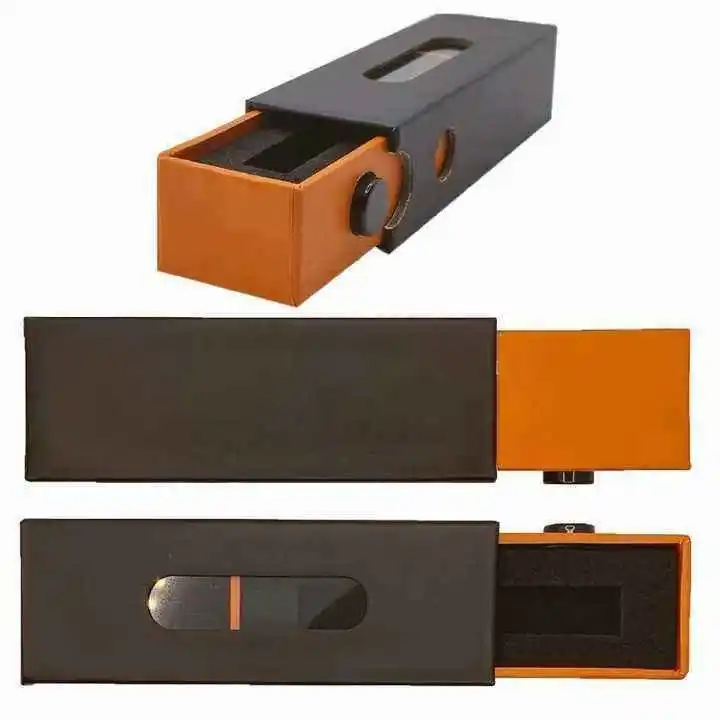
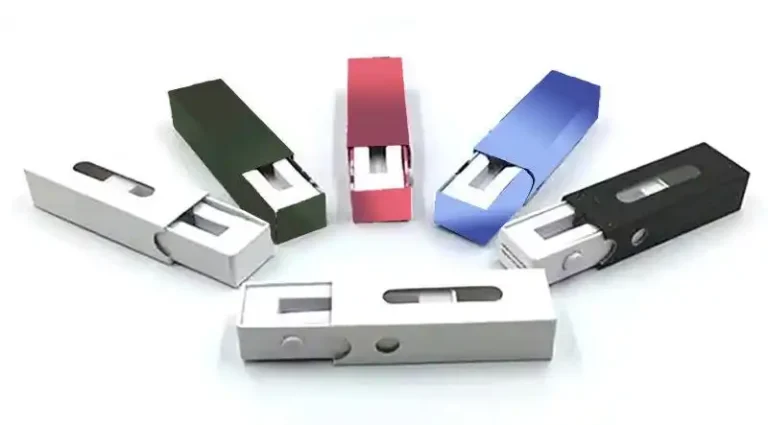
Child-resistant requirements don’t care what material you love. They care whether kids can get in. Paper systems pass when they’re engineered and tested correctly—drawer locks, press-and-slide tabs, tear-to-open paneling, and reclosable mechanisms built into the structure. That’s why many cannabis teams pick paper formats that ship ready for CR testing instead of inventing from scratch. Good news: compliant labeling also tends to fit better on paper panels with clean geometry.
If you’re targeting category-specific solutions, start with purpose-built formats. For example:

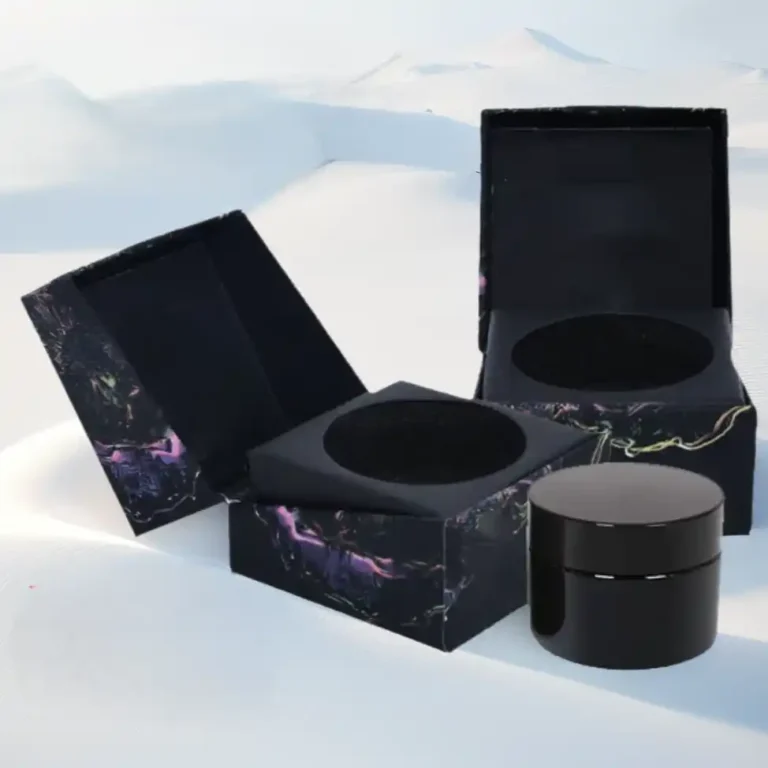
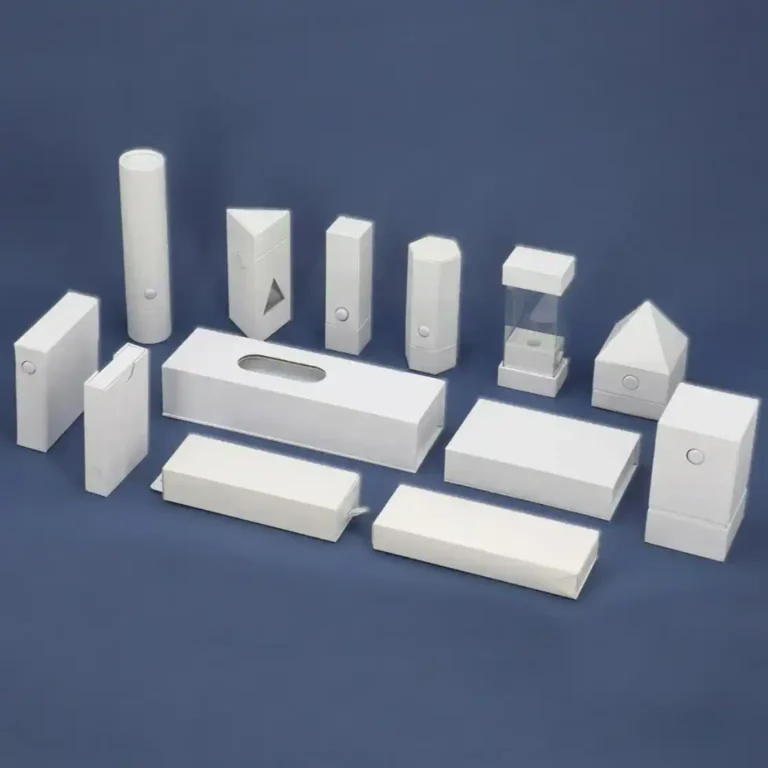
1) Rigid drawer boxes
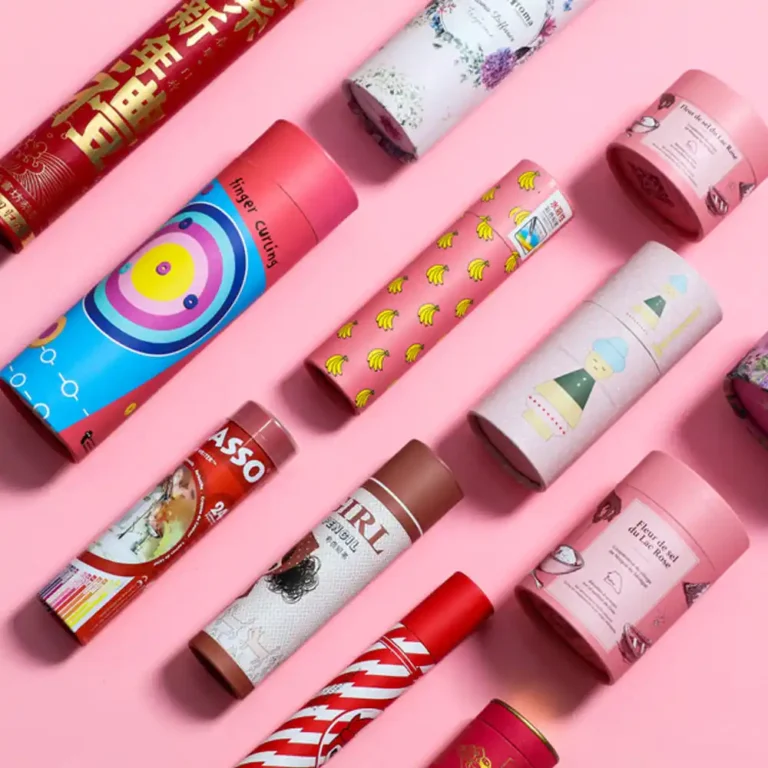
2) Paper tubes
3) Folding cartons with CR closures
4) Hybrid rigid + windowing
No material wins 100% of scenarios. Extremely high barrier needs, unusual moisture control, or long, long shelf life might still push you toward selective films or hybrids. The grown-up answer is a paper-led system that uses tiny, well-justified non-paper elements only where they truly matter. That’s how brands keep CR performance, shelf appeal, and end-of-life outcomes in balance without playing material bingo.

Q: Can paper packaging be truly child-resistant? A: Yes. CR is about design and testing, not just material. Paper formats with proper locks and instructions can pass standardized protocols.
Q: Will paper survive the real world—shipping, back rooms, and busy budtenders? A: With the right board caliper, coatings, and inserts, absolutely. The key is validating your spec under real handling and climate conditions.
Q: What about finishes and premium look? A: Paper loves print. Emboss, deboss, spot varnish, and restrained foils do the job. Keep it classy so the sustainability story stays believable.
If you’re mapping a move from plastic to paper and want samples, dielines, or a quick CR feasibility chat, start with the home team and work through category pages relevant to your SKUs: