Talk To Our Boss If You Didn't Find The Solution

Our boss, Alanna will ask our team to find out the solution very soon! You must be satisfied with our services!

popup
Charmian Shen
Serena Liao
Jiang
Alanna Peng
7x24 Support
Share your project details and our team will respond in about 20 minutes with a clear quotation and practical suggestions. We can help you refine structure and artwork, arrange white or printed samples, optimize costs, and plan shipping to your warehouse or fulfillment center.
popup

What Is Taken Into Consideration Child-Resistant Product Packaging?

Intro

When a product can seriously harm a child if swallowed or misused, the packaging stops being “just packaging.” It becomes a safety device that has to work in real homes, around real families, every single day.

Child-resistant product packaging is designed to slow down or prevent access by young children while staying practical and comfortable for adults. That balance sounds simple, but behind it you’ll find strict regulations, test methods, engineering choices and a lot of field experience.

Comprehending the Function of Child-Resistant Packaging

The core purpose of child-resistant packaging is risk reduction, not absolute prevention.

Regulators typically define it in a very particular means: product packaging that is significantly tough for most of youngsters under 5 years of age to open within a certain time, while being rather basic for common grownups to open and, where relevant, reclose successfully.

So when experts evaluate child-resistant packaging, they focus on three simple questions:

  • Can young children fail to open it under test conditions?
  • Can adults and seniors succeed in opening and reclosing it correctly?
  • Does the pack keep performing after transport, handling and repeated use?

Everything else—materials, artwork, inserts, special finishes—has to respect those three priorities.
Child-Resistant Product Packaging

Key Qualities of Child-Resistant Product Packaging

1. Child-Deterrent Structural Layout

The first design filter is: what exactly makes this pack difficult for a small child to open?

Effective structures usually:

  • Require combined motions, such as push-and-turn, squeeze-and-slide or press-and-pull.
  • Demand a level of strength, grip or finger span that most preschoolers do not yet have.
  • Use less obvious triggers, such as recessed buttons, alignment marks or hidden latches.

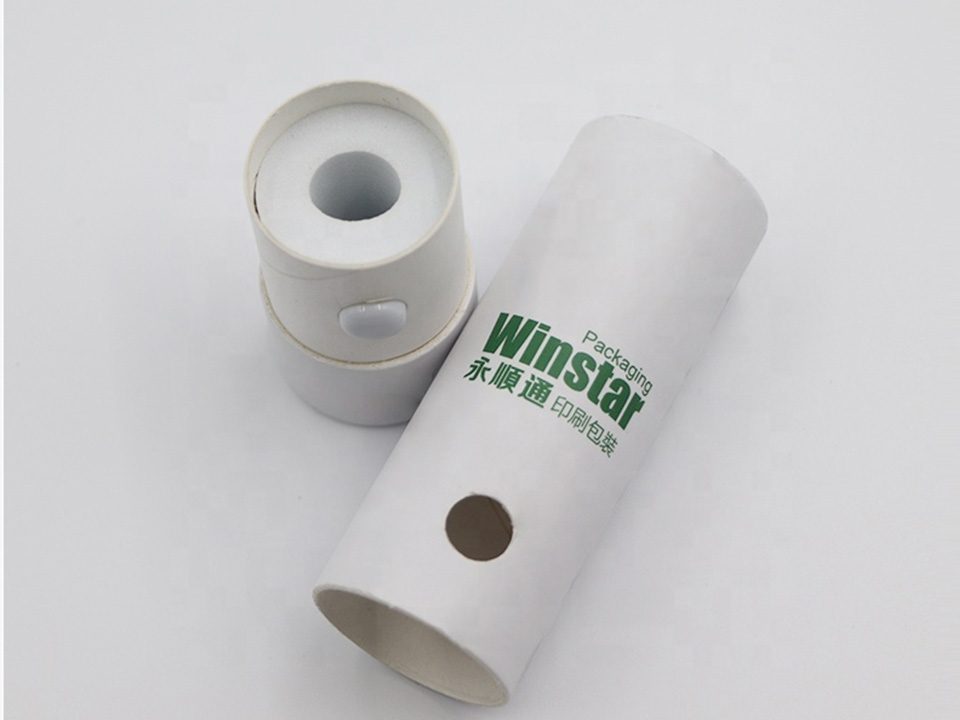
You can see these ideas clearly in paper-based formats. For example, a custom child-resistant vape cartridge packaging paper tube uses a locking structure in the shoulder and cap so a child cannot simply pull it open in one motion.

In cartons, designers often combine:

  • A rigid outer sleeve for strength.
  • An inner tray or drawer with a locking notch or squeeze point.
  • A motion sequence that feels natural to adults but confusing to children.

The goal is not to frustrate everyone; it’s to place the “difficulty curve” at exactly the right level.

2. Adult-Friendly Usability Design

If adults battle way too much with a child-resistant pack, they will certainly locate workarounds: leaving caps loose, transferring products to much easier containers, or otherwise locking points at all. That quietly destroys the safety benefit.

Good child-resistant packaging therefore:

  • Lets adults open the pack within a reasonable time, ideally with a clear “aha” moment.
  • Makes the locking and reclosing step obvious and satisfying—you feel or hear the click, slide or snap.
  • Respects limited dexterity, eyesight and strength in older users.
  • Uses short, simple, highly visible instructions.

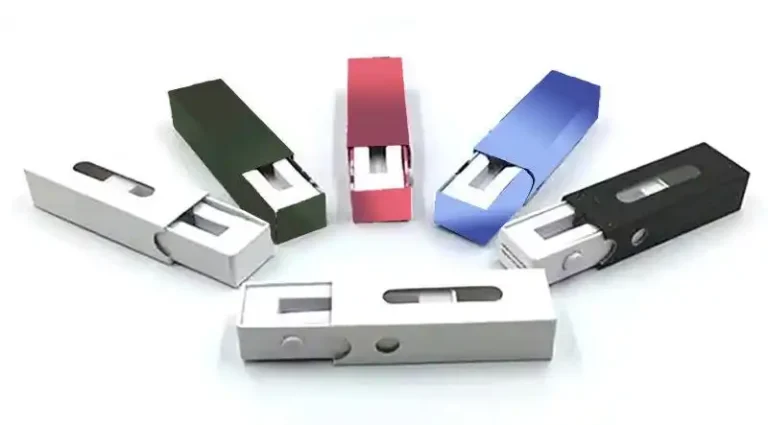
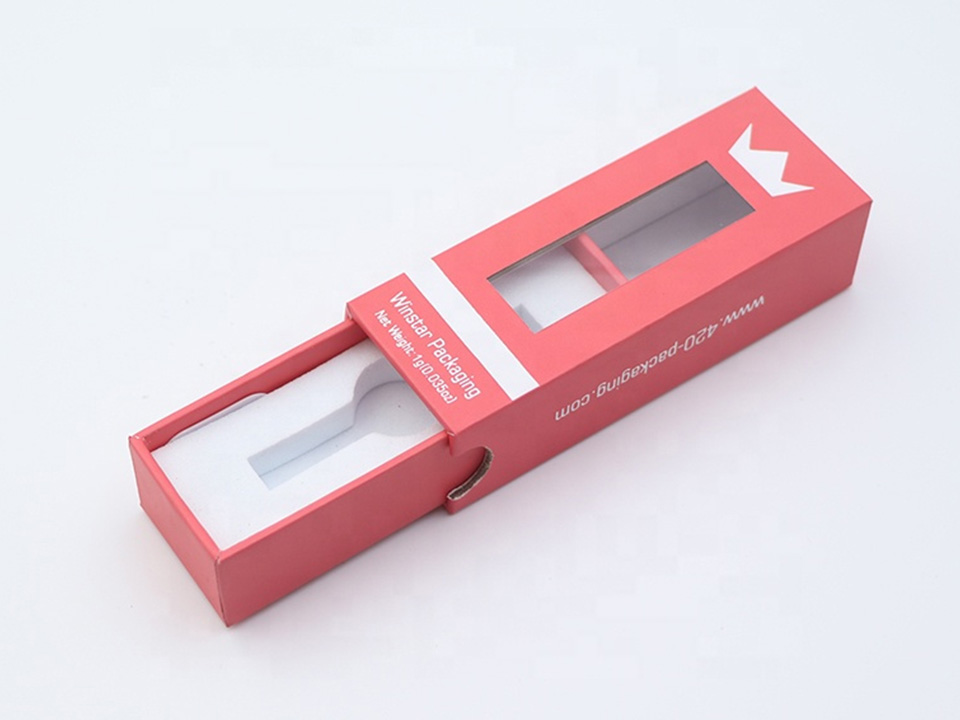
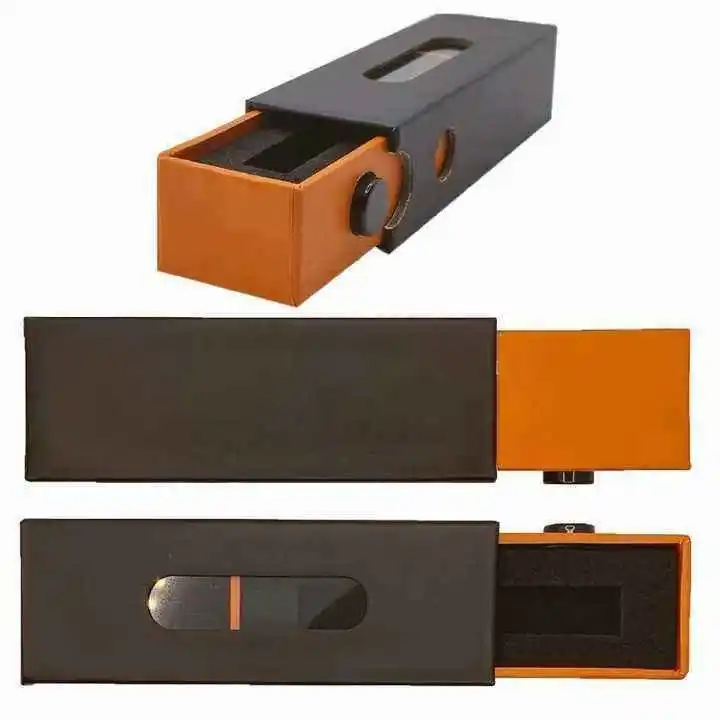
Take the child-resistant CBD cartridge drawer gift box with window as an example. The locking feature is built into the sleeve and tray, but the grip area and sliding direction feel very natural to an adult, especially once they’ve opened it once or twice.

3. Poisoning Avoidance Performance

Child-resistant packaging exists because accidental poisoning is a real risk, especially for medicines, household chemicals, e-liquids, cannabis products and other concentrated goods.

In a typical certification test:

  • A panel of children is observed to see how many can open the pack within a set time.
  • After a simple demonstration, they try again, and results are measured a second time.
  • A separate panel of adults is tested on how many can open and correctly reclose the pack.

Those test numbers translate into a measurable change in risk. Fewer successful openings by children in testing means fewer dangerous incidents at home.

From a brand perspective, this is why you should think beyond the surface: if the product can seriously harm a child, then “looking safe” is not enough. The structure must be chosen, engineered and tested with poisoning avoidance as the primary metric.

No brand operates in a vacuum. Most markets define which products must use child-resistant packaging and how that packaging is evaluated.

Typical requirements include:

  • Lists of substances that must be sold in child-resistant packaging (such as certain medications, cleaners, solvents, THC products, etc.).
  • Clear definitions of test procedures, including the age of test children, the size of adult panels, and the time allowed to open a pack.
  • Documentation, such as test reports or certificates, that you must keep on file and sometimes share with authorities or retailers.

This has practical consequences when you choose a structure. Selecting a custom child-resistant cannabis pre-roll packaging box set or a child-resistant drawer box for live resin pods packaging that has already been tested and documented can save you months of trial, error and uncertainty.

5. Real-World Testing and Validation

Lab tests are controlled. Daily life is not.

That’s why responsible brands go beyond formal certification and ask:

  • Does the locking mechanism still work after transport vibration, stacking and drops?
  • Does the pack keep its performance after repeated opening and closing, not just the first few times?
  • Do real users in the field actually reclose and lock the packs, or do they stop halfway?

For instance, a child-resistant cardboard slider box for hemp pre-rolls has to keep its sliding resistance and locking feel after weeks in pockets, bags and display trays. That’s where board choice, tolerances and finishing all matter just as much as the basic mechanism.
Child-Resistant Product Packaging

Examples of Child-Resistant Product Packaging Systems

To see how all these principles come together, it helps to look at concrete systems that are already in use.

  • Paper tubes with integrated CR caps Designs like custom child-resistant vape cartridge packaging paper tubes use a paperboard body and an engineered locking top. They give you strong shelf presence, full wrap graphics and a defined opening motion that meets child-resistant performance.
  • Drawer boxes with locking rails The child-resistant drawer box for live resin pods packaging combines a rigid outer shell with an inner tray. To open it, adults must align and pull in a specific way, while most young children simply cannot coordinate the required motion.
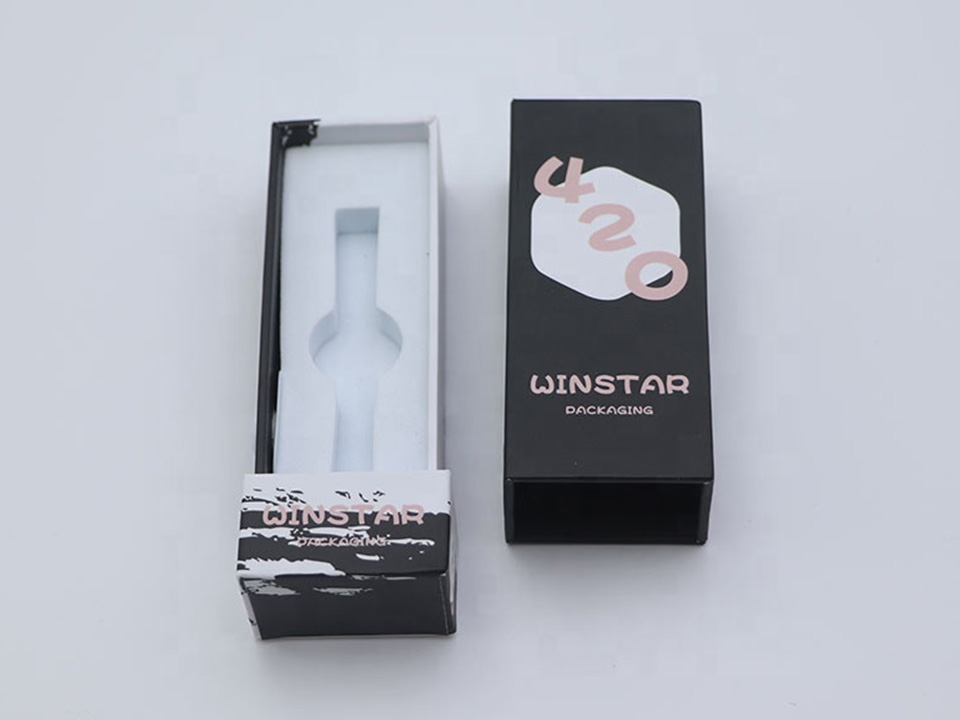
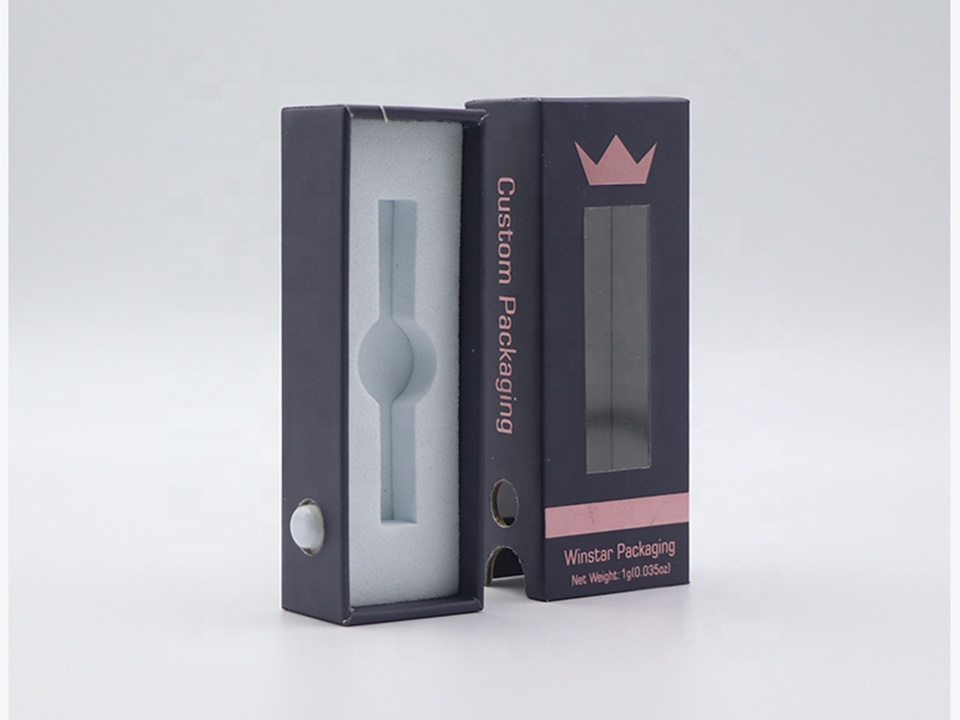
  • Windowed display boxes with foam inserts A child-resistant cannabis box with window and foam insert proves you can show the product clearly and still keep it secure. The foam insert protects fragile items, while the locking structure restricts quick access.
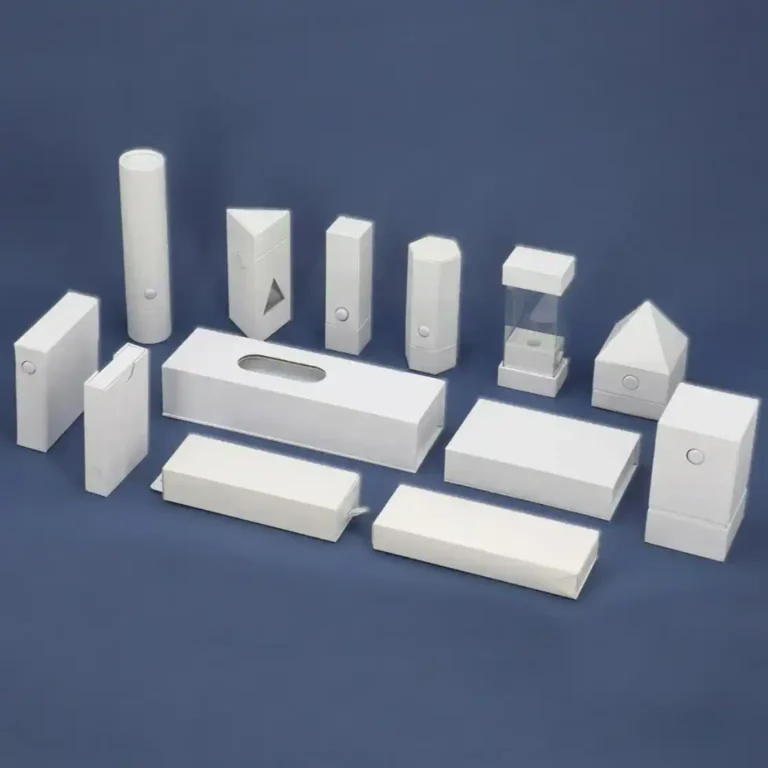
  • Pre-roll slider packs with dividers Solutions such as a child-resistant pre-roll slider box with a 5-pack divider keep multiple units organized and protected. The slider motion is tuned so adults can open it comfortably, but children need more strength and coordination than they typically have.
  • Sustainable child-resistant extract boxes New formats like sustainable child-resistant cannabis extract boxes with lock blend sustainable materials with certified locking features, allowing brands to stay safe and eco-conscious at the same time.

All of these examples are different answers to the same question: how do we protect what’s inside from both physical damage and unsafe access, without sacrificing the brand experience?
Child-Resistant Product Packaging

Additional Advancements in Youngster Resistant Boxes

Custom Design for Cannabis and CBD Packaging

The cannabis and CBD industry has pushed child-resistant box innovation faster than almost any other sector.

Regulations often demand that every THC product leaves the store in certified child-resistant packaging. That pressure has generated:

  • A wide family of pre-tested structures for cartridges, disposable pens, pods, edibles, pre-rolls and oils.
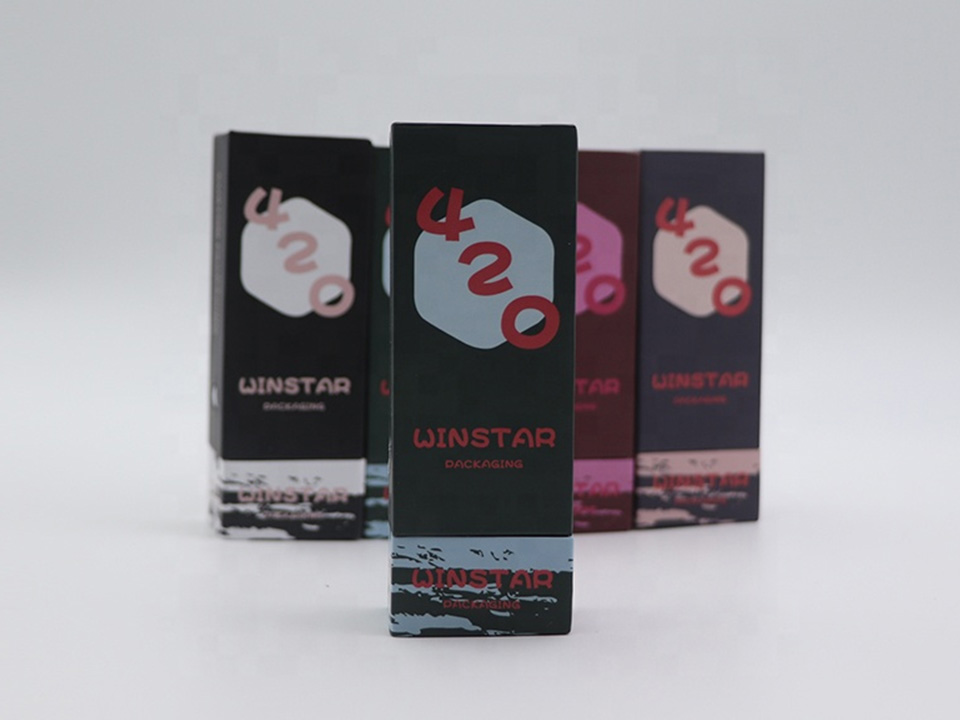
  • Sophisticated brand systems where pre-rolls, concentrates and vapes share a common visual language, often built around child-resistant cannabis pre-roll edibles packaging boxes.
  • Specialist closures and inserts that integrate with paper-based boxes, allowing full-color printing, foiling, embossing and windows without compromising test results.

Instead of inventing mechanisms from zero, many cannabis brands now start from a known CR platform and invest their creative energy into artwork, messaging and structural details.

Eco-Friendly Child-Resistant Solutions

Safety and sustainability used to feel like opposites. Now, more brands expect both from the same pack.

In practice, that often means:

  • Moving from heavy plastic clamshells to paperboard-based child-resistant boxes and tubes.
  • Designing mono-material solutions, so the body and locking components can be recycled together.
  • Using thinner boards, smarter engineering and precise inserts to reduce material without losing strength.

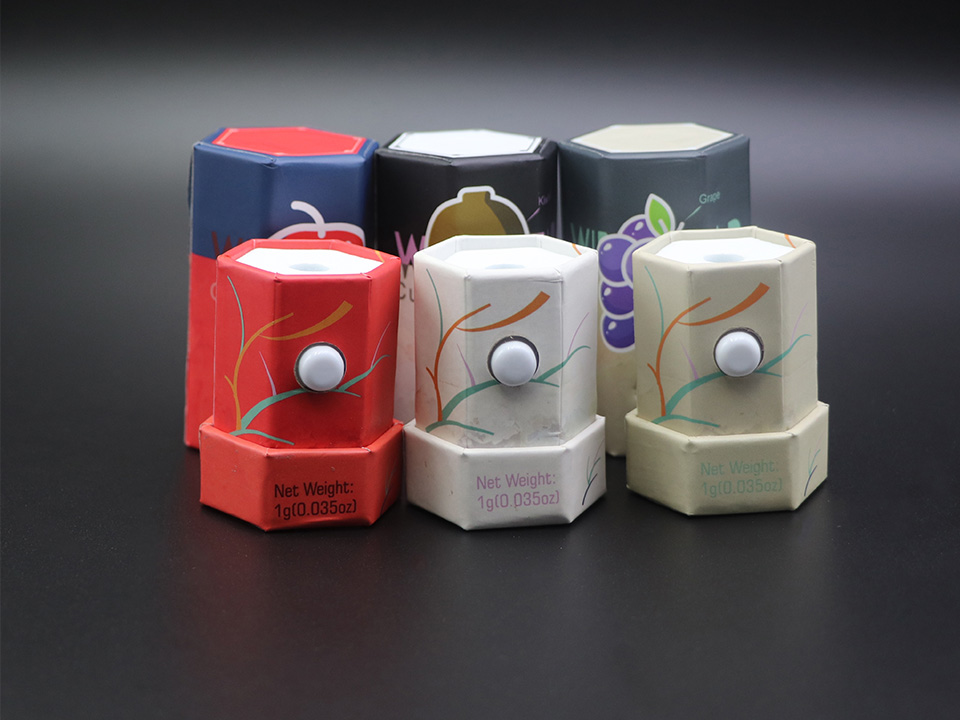
Paper-based structures like child-resistant paper drawer cannabis boxes with silk handle show how you can deliver a luxurious unboxing moment, a secure closing system and a lower-plastic bill of materials all at once.
Child-Resistant Product Packaging

Misunderstandings and Vital Standards

Child-Resistant ≠ Childproof

One of the biggest misconceptions is that child-resistant equals childproof.

Even the best certified pack is not magic. Given enough time, a determined or older child may figure out the mechanism. The standards are designed to make opening unlikely and slow, not absolutely impossible.

That has two important consequences:

  • Brands should avoid bold promises like “children can’t open this.”
  • Safety communication should emphasize risk reduction, not invincibility.

Think of child-resistant packaging as one strong layer in a system that also includes responsible storage, clear labelling and thoughtful product formulation.

Parental Responsibility

Every public safety campaign around child-resistant packaging repeats the same message: the most important safety device in the home is still an attentive adult.

Your packaging and marketing can support this by:

  • Printing clear reminders such as “Keep out of reach of children” and “Store locked and away from sight.”
  • Showing simple icons or diagrams that reinforce correct closure and storage.
  • Encouraging caregivers to always re-engage the locking feature, not just push the drawer halfway or rest the cap on top.

When brands gently reinforce parental responsibility, they turn their packaging into a practical safety partner instead of a silent box.
Child-Resistant Product Packaging

Relative Introduction: Child-Resistant vs. Non-Resistant Packaging

It’s easier to decide when you put child-resistant and non-resistant packaging side by side.

Child-resistant packaging tends to:

  • Include mechanisms that require extra actions, force or understanding.
  • Come with documented performance testing for both children and adults.
  • Be mandatory or strongly recommended for specific product categories.

Non-resistant packaging tends to:

  • Open with simple motions—twist, pull, flip—using minimal force.
  • Be cheaper and simpler to produce.
  • Offer no specific claim about child safety, beyond general common sense.

For low-risk products, non-resistant packaging is usually enough. For anything that could seriously harm a child if swallowed, inhaled, spilled or misused, choosing a tested child-resistant format is part of basic due diligence and brand responsibility.
Child-Resistant Product Packaging

Conclusion

So, what is taken into consideration when experts and regulators call a pack “child-resistant”?

  • How the structure challenges a child’s abilities without frustrating adults.
  • How real people open, use and reclose the pack at home, not just in a lab.
  • How the design aligns with legal and regulatory standards in each market.
  • How materials, closures and inserts work together to reduce poisoning risk.
  • How sustainability, premium branding and safety can all fit inside the same box.

If your product belongs in the higher-risk zone, it makes sense to start from proven systems—such as vape cartridge tubes, pre-roll sliders and cannabis drawer boxes from the child-resistant packaging solutions portfolio—and then customize size, graphics and inserts.

With the right partner behind you at the homepage, child-resistant packaging stops being a hurdle and becomes what it should be: a thoughtful, well-engineered promise that you take both your customers and their families seriously.

Comments

Comments
Share your love