Talk To Our Boss If You Didn't Find The Solution
Our boss, Alanna will ask our team to find out the solution very soon! You must be satisfied with our services!


Niche perfume used to be a slow craft business. One scent, one bottle, one boutique. Now it moves like streetwear. Drops, collabs, “sold out,” restock, repeat. Social doesn’t just market the product. It sets the tempo. And when the tempo jumps, packaging becomes the thing that either keeps you moving or trips you up.
Here’s the blunt version: niche growth creates SKU chaos, and SKU chaos punishes rigid packaging systems. You don’t just need “a nice box.” You need a setup that can handle sampling, travel sizes, refills, and shipping abuse without blowing up lead time or quality.
Flexible packaging (pouches, rollstock, sachets) helps a lot. Paper packaging still matters a ton too, because customers judge perfume with their eyes and hands. That’s where a paper packaging partner like Zhibang Packaging fits naturally, especially for secondary packs that make flexible formats retail-ready and giftable.
Industry reporting (Perfumer & Flavorist market coverage) projects the indie perfume market growing from about $1.2B in 2024 to $3.5B by 2033, around 12.5% CAGR. That’s real acceleration.
But niche brands don’t scale in a clean straight line. They scale sideways first:
This is where teams hit the classic ops pain points:
You can sell out once and feel like a genius. Then you miss the restock window and feel… not genius.
CEW reporting (citing NIQ) showed US fragrance sales up about 20% to $9.8B over a recent 52-week period, with volume up too. The Guardian also described the “Gen Z perfume boom,” with behaviors like layering and “wardrobing.”
This matters because the buying behavior drives packaging behavior:
So your packaging can’t be one format. It has to be a system.
Sampling is the gasoline for niche fragrance. It’s also a PR risk if you do it sloppy.
Vogue has highlighted how huge the beauty sampling stream can be (very large annual unit counts get mentioned), and how hard it is to recycle many small formats. That pressure pushes brands to rethink how they sample.
What’s working right now in the market (no fairy tale stuff, just what brands actually do):
If your sample arrives crushed or leaking, you don’t just lose a customer. You create a bad first impression that spreads.
Euromonitor has pointed to the rise of travel-sized bottles, especially for younger shoppers. Travel sizes sound easy until you ship them.
Two things go wrong all the time:
So brands usually build a hybrid pack:
Packaging World reported refill claims for PRADA Paradoxe, including savings like 44% glass, 67% plastic, 100% metals, 61% cardboard when consumers refill instead of rebuying the full package.
You don’t need to copy that exact play. But you can’t ignore the signal: refill has moved into premium. Customers now ask for it like it’s normal.
Refill pouches make sense because they:
Still, fragrance is fussy. If your structure has weak barrier or weak seals, you’ll get leaks and aroma loss. That becomes brand damage, not just a packaging issue.
Flexible packaging isn’t “just a pouch.” For fragrance, it’s a performance spec.
Suppliers like Amcor talk about refill pouches using barrier properties, good aesthetics, and line performance. ProAmpac has described fragrances as “hard-to-hold” applications, which is industry-speak for: you better test this, or it’ll bite you later.
Here’s the checklist people skip, then regret:
If you run with a co-packer, you also need:
This is boring stuff, but boring prevents disasters.
If you’re doing high-volume sampling, wipes, or small-dose formats, rollstock becomes the workhorse. It’s fast, it’s scalable, and it can support a lot of formats.
But again, fragrance is picky. You can’t treat it like ketchup packets. You need:
If you’re not sure, don’t “feel it out.” Run trials. Your nose and your customer reviews will thank you.
So what do flexible packaging solutions look like for niche perfume brands in real life?
It usually lands in three buckets:
Notice what’s missing: “random packaging.” Random kills speed.
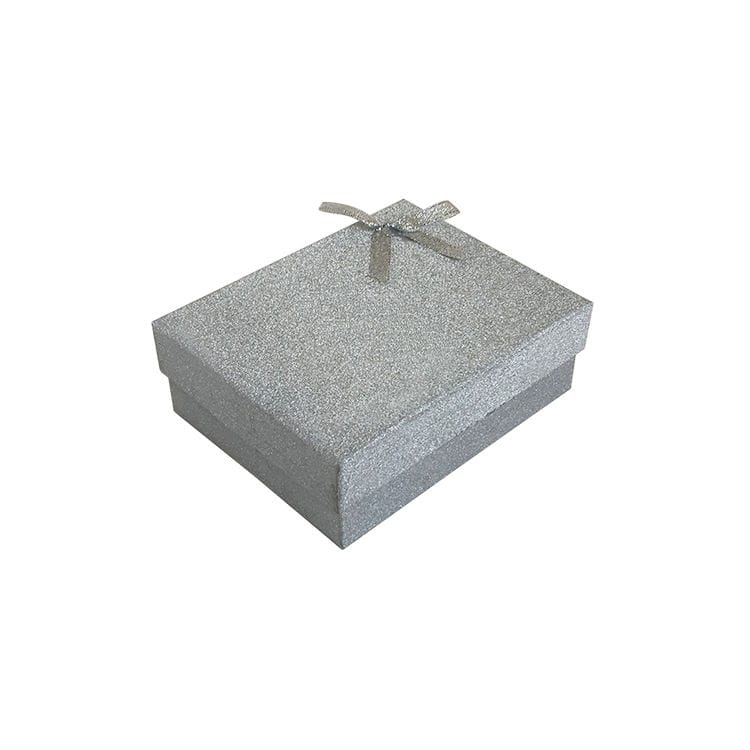
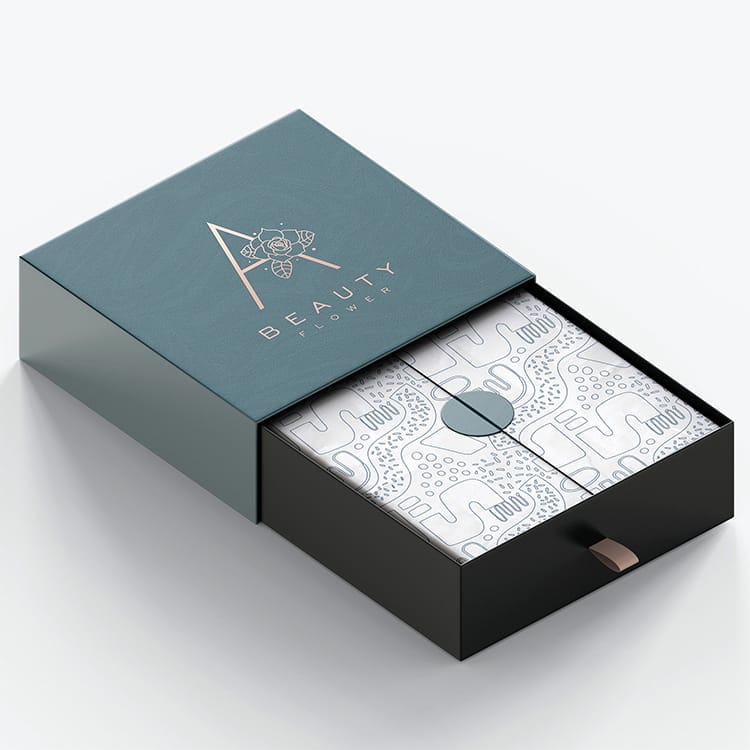
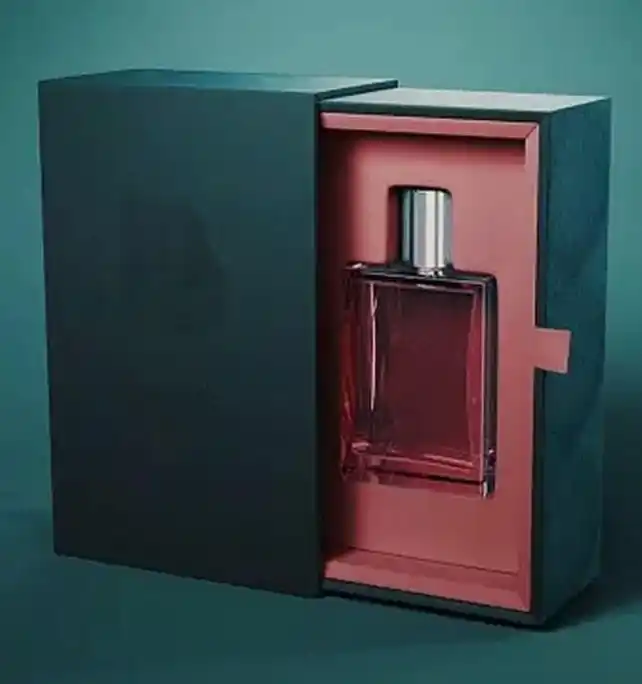
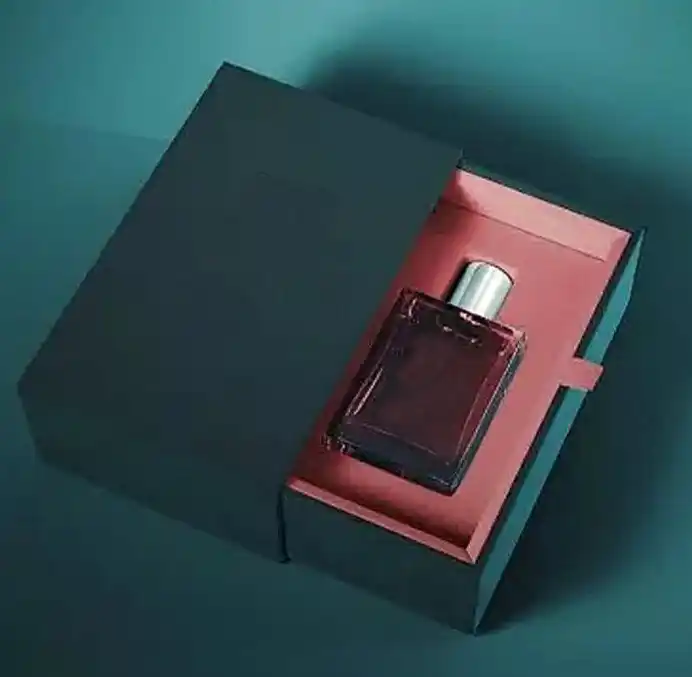
Even if you love flexible packaging, perfume still needs paper packaging. Customers touch the box first. They post the box. They judge the brand from the box.
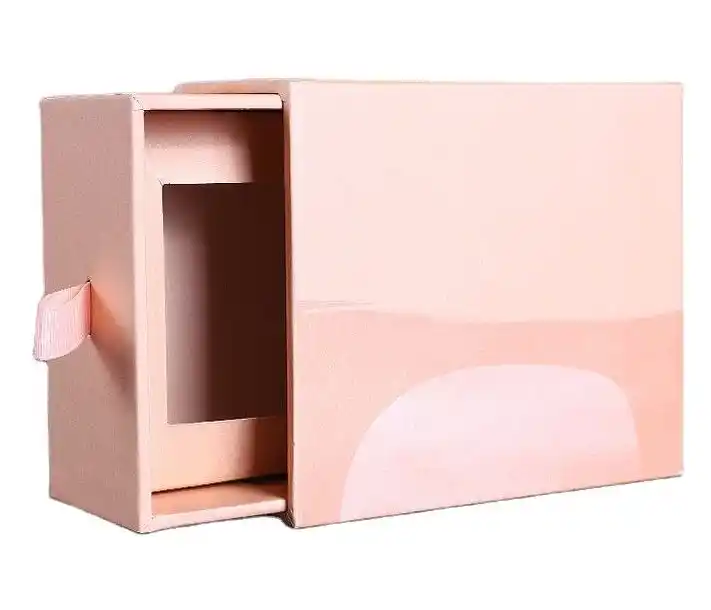
This is where Zhibang Packaging fits cleanly. You can use flexible formats for refills and some sampling. Then you use strong, premium paper packaging for the parts customers actually see and keep.
Here are Zhibang product pages you can plug into the story (no naked URLs):
That’s your “paper layer.” It supports your flexible layer instead of competing with it.
Here’s a clean table you can drop into a deck or blog post. No black bars, no weird UI pills.
| Keyword topic | What the market is showing | Data point you can quote | Why it pushes flexible packaging | Source (plain text) |
|---|---|---|---|---|
| indie perfume market growth | indie brands scaling faster | $1.2B (2024) → $3.5B (2033), ~12.5% CAGR | higher SKU count needs faster format switches | Perfumer & Flavorist (market coverage) |
| fragrance sales growth | category still expanding | +20% to ~$9.8B in US (NIQ via CEW reporting) | more launches = more trial + refill interest | CEW / NIQ |
| Gen Z perfume boom | social drives buying + layering | trend coverage highlights fast adoption | viral spikes create restock pressure | The Guardian |
| refill packaging | refill becomes premium norm | PRADA Paradoxe refill savings claims | pouches make refill logistics simpler | Packaging World |
| sample sachets | sampling waste gets attention | very large annual sample unit counts discussed | brands shift to curated sets + better packs | Vogue |
Let’s talk about the stuff that hurts.
When your marketing team runs a drop calendar, they’ll ask for 10 designs. Your supply chain wants 2. You can meet in the middle with a simple move:
This reduces:
It’s not glamorous. It works.
Flexible packaging helps you add refills and some sampling formats. Paper packaging helps you protect glass and look premium. That combo is basically the modern niche perfume playbook.
Zhibang Packaging positions itself as a global supplier of wholesale custom paper packaging solutions, with OEM/ODM capability and ISO 9001 quality management. That matters when you need:
And honestly, your customer doesn’t care how hard your packaging was. They care if it arrives perfect.
Niche fragrance growth is real. The ops pain is real too. Flexible packaging can unlock refills and smarter formats. Paper packaging keeps your brand premium, protects glass, and makes the whole system look intentional.
If you want to grow without chaos, build a packaging system that can flex. Don’t treat packaging like the last-minute chore. It’s part of how niche brands survive the jump from “cool small” to “seriously big”.
And yeah, you’ll still hit problems. Everyone does. Just don’t let packaging be the reason you miss your moment.