Talk To Our Boss If You Didn't Find The Solution
Our boss, Alanna will ask our team to find out the solution very soon! You must be satisfied with our services!


Most buyers think luxury packaging is a visual category. Matte black. Gold foil. Spot UV. Maybe a ribbon, because someone in the room says “unboxing” like it is a spell.
I disagree.
Premium is mechanical.
When a customer folds a box and the wall bows, the magnet snaps off-axis, the lid floats 2 mm too high, or the insert lets the product rattle like a cheap souvenir, no amount of hot stamping saves the experience; the package has already confessed that it was designed in a render, not in a factory. Why do so many brands still approve packaging from photos instead of stress, tolerance, and assembly data?
Flat-pack luxury packaging is not a downgrade from luxury rigid packaging. Bad flat-pack is. There is a difference, and buyers who cannot see it usually pay for that ignorance in air freight, storage headaches, return complaints, and emergency reorders.
The market pressure is real. Reuters reported in March 2024 that EU packaging waste had risen more than 20% over the prior decade, with each European generating almost 190 kg of packaging waste per year; the same policy deal targeted 5% waste reduction by 2030, 15% by 2040, recyclability by 2030, and a 50% empty-space ceiling for packaged online deliveries through the EU’s proposed packaging rules.
That should scare luxury brands a little. Not because regulation kills premium packaging. Because sloppy premium packaging now has fewer places to hide.
For brands comparing structure options, I would start with the mechanics of collapsible gift boxes before choosing a standard rigid setup. If the SKU is lighter, flatter, or high-volume, compare that against custom printed folding cartons instead of assuming rigid equals luxury.
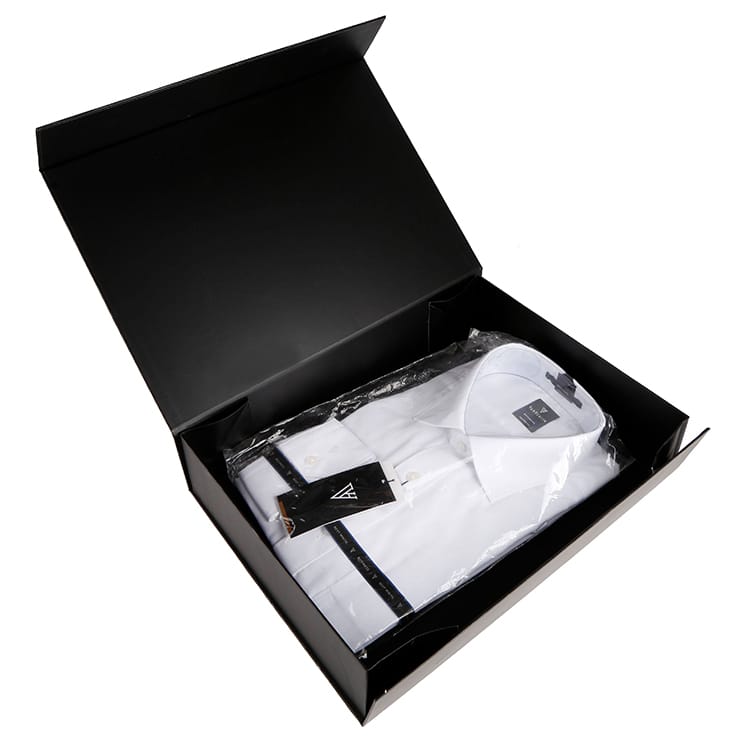
The “premium feel” after folding is built from five things: resistance, alignment, silence, surface continuity, and closure confidence.
Resistance means the wall does not collapse under thumb pressure. Alignment means the edges meet without visual drift. Silence means the product does not knock around inside. Surface continuity means the fold lines do not scar the artwork. Closure confidence means magnets, tabs, ribbons, or sleeves land exactly where the hand expects them to land.
I have seen buyers obsess over Pantone matching while ignoring grain direction. That is backwards. Paper grain, board caliper, wrap tension, glue behavior, and crease geometry will decide whether foldable rigid boxes feel controlled or flimsy.
A 1200 GSM rigid paper structure wrapped in 157 GSM art paper can feel solid when the fold lines, hinge gap, and insert pressure are engineered correctly. The same materials can feel cheap when the factory is asked to “make it premium” without tolerance targets. Material is not magic. Specification is.
If you are building luxury paper gift boxes for cosmetics, jewelry, apparel, watches, candles, tea, chocolate, or electronics, the customer’s hand will inspect the box faster than their eye does. The hand catches failure first.
Do not approve a sales sample unless you have folded and unfolded it at least 10 times, packed the actual product inside, left it closed overnight, and checked whether the lid, magnet, or sidewall remembers the wrong shape.
That sounds simple. It is not. Most teams skip it because the first sample looks good under office lighting.
Flat-pack luxury packaging is often sold as a freight-saving answer. Fine. But freight is only one line item. The better question is whether the structure protects perceived value across manufacturing, storage, packing, parcel movement, shelf display, and final handoff.
| Packaging Structure | Best Use Case | Premium Feel Risk | Cost Pressure | What I Would Test Before Approval |
|---|---|---|---|---|
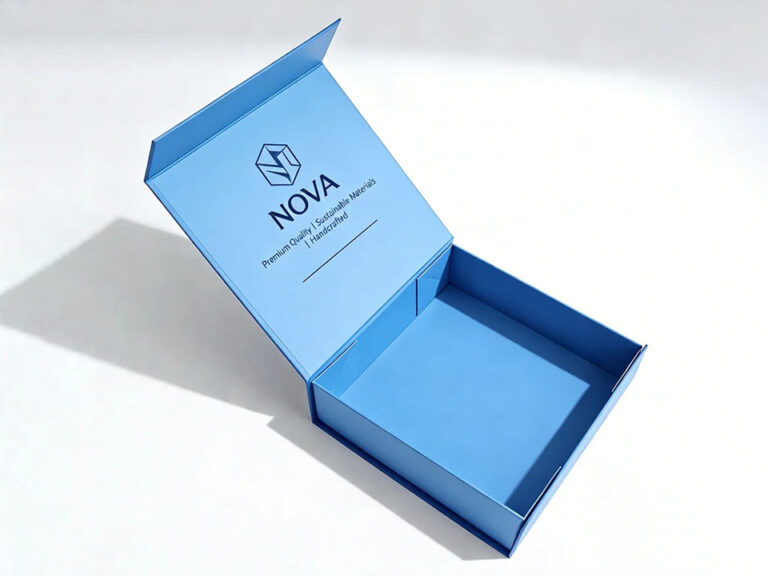
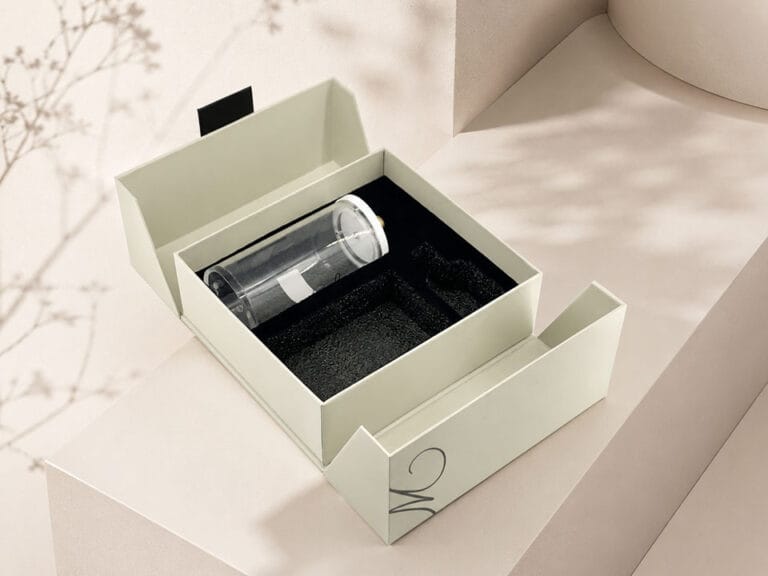
| Collapsible rigid boxes | Gift sets, apparel, beauty kits, hair extensions, candles, influencer mailers | Weak corners, magnet drift, hinge memory, visible crease stress | Manual assembly, magnets, wrap paper, freight cube | Fold memory, closure force, sidewall compression, drop test, insert hold |
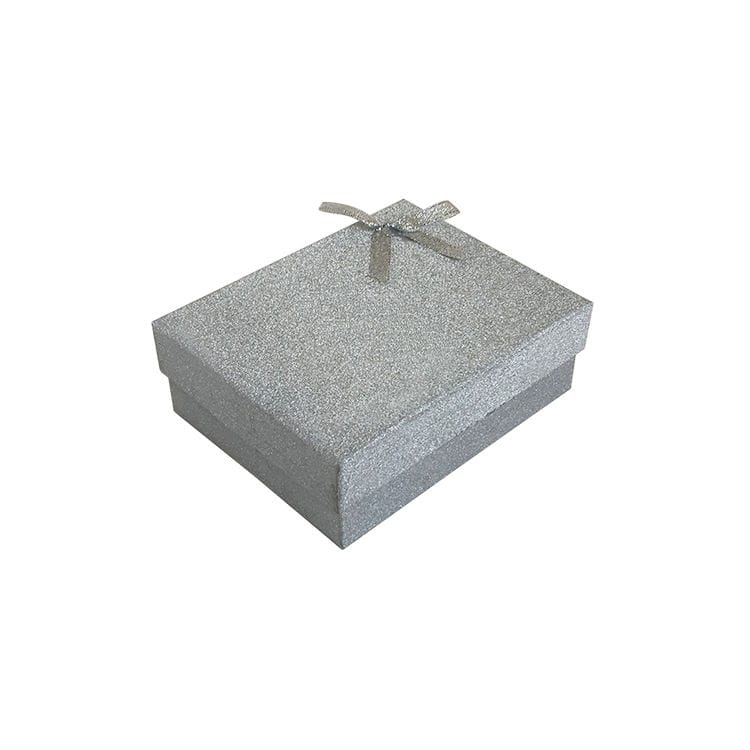
| Traditional rigid setup boxes | Watches, jewelry, perfume, chocolate, electronics, high-value retail | Overbuilt size, expensive air, poor storage efficiency | Board thickness, wrap labor, shipping volume, reject rate | Lid fit, corner wrapping, scuff resistance, crush resistance |
| Folding carton luxury packaging | Cosmetics, CBD, food, small electronics accessories, mass retail | Thin hand-feel, weak reveal, poor insert control | Print finish, coating, die-cutting, carton erection speed | Crease whitening, locking tab strength, shelf rub, product movement |
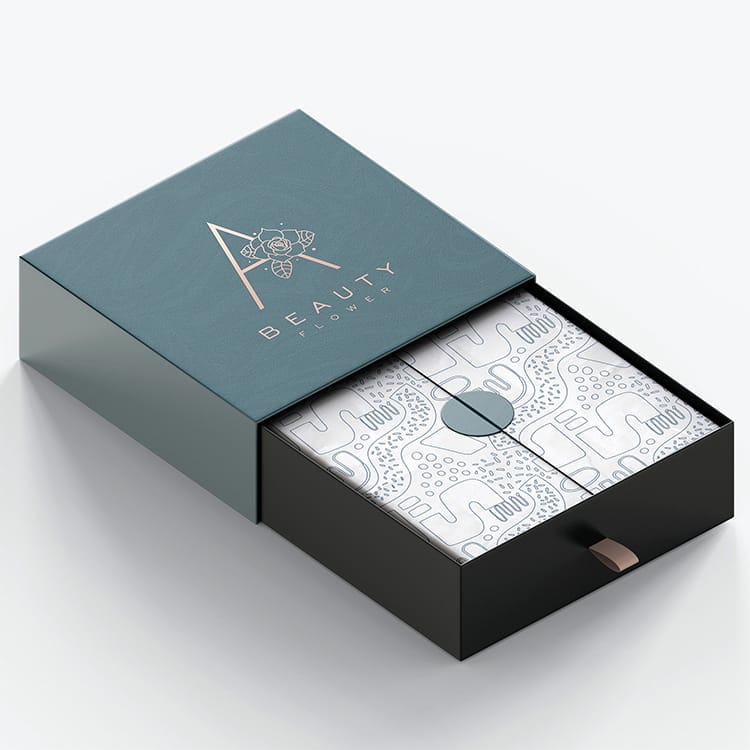
| Drawer rigid boxes | Jewelry, small devices, stationery, premium samples | Tray binding, sleeve scuffing, ribbon failure | Tight tolerances, handwork, insert design | Slide friction, ribbon pull strength, abrasion, tray stop accuracy |
| Custom shaped rigid boxes | Limited editions, PR kits, sculptural gift packaging | Distortion, wrinkled curves, high scrap | Tooling, wrap complexity, sampling time | Radii, seam placement, board warp, repeatability across 500+ units |
Here is the quiet part: sometimes the best flat-pack packaging for luxury products is not the most “luxury-looking” structure. It is the one that survives real assembly without asking warehouse staff to become craftspeople.
If the brand wants shape drama, read the trade-offs in custom shaped rigid boxes before adding curves, shoulders, odd angles, or die-cut silhouettes. A strange shape can be memorable. It can also become a reject-rate machine.
The European Parliament said in April 2024 that all packaging, except certain materials such as lightweight wood, cork, textile, rubber, ceramic, porcelain, and wax, will need to be recyclable under strict criteria; it also referenced a 10% reusable-format effort for certain beverage and takeaway distributors by 2030.
This is where flat-pack luxury packaging gets interesting. A collapsible rigid box can reduce warehouse volume, improve pallet density, cut empty shipping space, and still deliver a high-end reveal. But the word “can” matters. Add PVC windows, mixed-material magnets, heavy plastic inserts, thick lamination, and mystery coatings, and suddenly your “eco premium” claim looks thin.
The US data is not flattering either. The EPA reports that containers and packaging represented 82.2 million tons of municipal solid waste in 2018, or 28.1% of total generation, while plastic containers and packaging had a 13.6% recycling rate; paper and paperboard packaging performed better, with an 80.9% recycling rate, and corrugated boxes reached 96.5%.
So the practical direction is obvious: use paperboard intelligently, reduce dead space, avoid unnecessary plastic inserts, and make every material earn its place. Luxury packaging no longer gets a free pass because it looks expensive.
For brands comparing formats, the guide to rigid box styles is useful because two-piece, drawer, and magnetic-lid formats are not cosmetic alternatives. They are different mechanical systems with different failure modes.
Here is the trap: sustainability matters, but it does not replace performance.
PwC’s 2024 Voice of the Consumer Survey, based on more than 20,000 consumers across 31 countries and territories, found that consumers were willing to pay an average 9.7% more for sustainably produced or sourced goods, with 80% saying they would pay more for sustainable goods.
Deloitte’s 2024 Gen Z and Millennial Survey also found that 64% of Gen Zs and 63% of millennials were willing to pay more for environmentally sustainable products or services.
But do not misread that as permission to make flimsy packaging. McKinsey’s 2023 US packaging survey found that hygiene and food safety, shelf life, ease of use, and durability ranked higher than appearance; it also reported that packaging appearance dropped 17 percentage points in importance from 2020 to 2023.
That is the shift. Consumers may like the idea of sustainable packaging, but they punish packaging that feels weak, dirty, inconvenient, or dishonest.
So when I design premium packaging around sustainability, I do not start with slogans. I start with the failure list: crushed corners, loose inserts, rubbed foil, crease whitening, glue odor, lid gap, magnet misalignment, and oversized void space.
A fold line is not just a manufacturing requirement. It is a future stress mark.
Use controlled scoring, correct grain direction, and enough hinge radius to prevent whitening on dark papers. Black kraft, deep navy, wine red, and matte laminated surfaces are unforgiving; every stressed fiber shows. If you are using soft-touch film, test for cracking and fingerprinting after repeated folding, not just on a flat sheet.
The insert is where luxury either holds or collapses. EVA foam, molded pulp, paperboard platforms, satin holders, PET trays, and folded paper inserts all create different signals.
My preference? For premium packaging design in 2026, paperboard or molded pulp inserts deserve more attention, especially when recyclability claims matter. EVA still has its place for electronics, jewelry, and fragile sets, but do not pretend it is invisible in sustainability conversations.
Magnets should feel inevitable, not aggressive. If the closure snaps too hard, the box feels like a gadget case. If it lands too softly, it feels uncertain.
For collapsible rigid boxes, I would test magnet grade, magnet diameter, magnet placement tolerance, panel stiffness, and wrap thickness together. N35 and N42 magnets behave differently once buried under board and wrap. The magnet spec alone tells you almost nothing.
Luxury is often a contrast system: matte base, foil logo, embossed mark, spot UV pattern, textured paper, or blind debossed detail.
But folding attacks surfaces. Foil can crack near hinge lines. Spot UV can scuff at high-contact edges. Matte lamination can burnish during transport. This is why I push brands to separate fold zones from hero branding zones whenever possible.
If you need more brand-facing structure ideas, look at custom rigid boxes for brand experience before finalizing artwork. The box structure should support the brand story, not merely carry a logo.
Empty samples lie.
Pack the real SKU. Add the manual, pouch, refill, cable, warranty card, fragrance card, sachet, or whatever else the customer will actually receive. Then shake it, stack it, fold it, close it, open it, and photograph it after handling.
If the product moves, the packaging feels cheap. If the sidewall flexes, it feels cheap. If the lid does not sit flat, it feels cheap. Hard truth: premium is often just the absence of small failures.
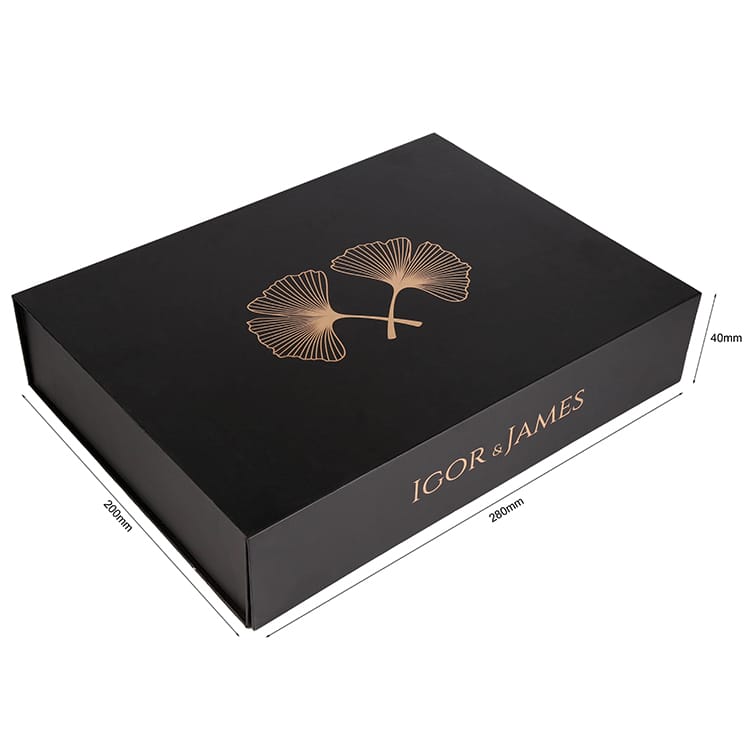
If you want a supplier to quote flat-pack luxury packaging seriously, send more than dimensions and artwork. Send a manufacturing brief that includes:
Structure: collapsible magnetic box, drawer box, two-piece lid and base, folding carton, or hybrid.
Board: greyboard, SBS, FBB, kraft board, corrugated E-flute, or specialty wrapped board.
Thickness: 1.5 mm, 2.0 mm, 2.5 mm, or GSM target such as 800–1500 GSM depending on structure.
Wrap: 128 GSM, 157 GSM, textured paper, kraft, metallic paper, black card, or coated art paper.
Finish: matte lamination, soft-touch coating, foil stamping, embossing, debossing, spot UV, aqueous coating, or varnish.
Closure: magnet, ribbon, sleeve friction, tuck tab, hidden Velcro, snap lock, or paper band.
Insert: molded pulp, EVA, EPE, paperboard, corrugated, satin, PET, or no insert.
Testing: drop test, compression test, rub test, humidity exposure, fold-cycle test, closure-cycle test, and packed-carton pallet test.
This is not bureaucracy. It is how you avoid paying for “luxury packaging” that only looks premium before a human touches it.
Flat-pack luxury packaging is a premium paperboard package engineered to ship or store flat, then assemble into a rigid-feeling presentation box with controlled edges, repeatable closure force, tight insert fit, and finished surfaces that protect brand value after folding during unboxing.
In practical terms, it sits between classic rigid setup boxes and standard folding cartons. The best versions cut storage and freight volume while preserving the tactile cues of luxury gift box packaging.
To keep flat-pack luxury packaging premium after folding, specify board thickness, paper grain direction, crease geometry, magnet position, adhesive type, insert compression, and transit testing before mass production, because surface finish alone cannot hide weak corners, spring-back, or a sloppy lid gap.
I would also require real packed samples, not empty beauty samples. If the assembled box cannot survive folding, closure, storage, and parcel movement with the product inside, it is not production-ready.
Foldable rigid boxes are better than traditional rigid boxes when freight cube, warehouse space, and assembly flexibility matter more than a permanently set-up structure, while traditional rigid boxes still win when maximum wall stiffness, zero assembly labor, and a heavier hand-feel justify higher shipping volume.
For apparel, cosmetics kits, hair extensions, candles, and seasonal gift sets, collapsible rigid boxes often make commercial sense. For watches, high-end jewelry, perfume, and hero retail displays, traditional rigid boxes may still feel more controlled.
Flat-pack luxury packaging can be more sustainable than oversized set-up boxes when it reduces empty space, freight volume, secondary cartons, and storage waste, but the claim depends on actual material choices, recyclability, foil coverage, lamination chemistry, magnets, inserts, and local recovery systems.
Paperboard helps, but mixed materials complicate recovery. A flat box with unnecessary plastic trays, heavy lamination, and oversized void space is not automatically responsible packaging.
The first supplier question should be: what exact tolerance range will you hold after folding, assembly, packing, humidity exposure, and parcel-drop testing, not just on the sales sample, but across the real production run where board, wrap, glue, and labor variability show up.
Then ask for board thickness, wrap paper weight, magnet grade, insert material, assembly time, carton packing method, sample lead time, mass production lead time, and defect standards. Vague answers usually predict expensive surprises.
Flat-pack luxury packaging is not about making premium cheaper. It is about making premium smarter.
If you are developing foldable rigid boxes, collapsible rigid boxes, folding carton luxury packaging, or a custom luxury gift box packaging system, do not start with foil color. Start with the structure, fold behavior, insert control, and packed-box test plan.
Send your product size, target quantity, sales channel, preferred structure, finish direction, and shipping method to the packaging team before artwork is locked. The best premium packaging is not the one that looks expensive in a render. It is the one that still feels expensive after folding, packing, shipping, opening, and re-opening.