Talk To Our Boss If You Didn't Find The Solution
Our boss, Alanna will ask our team to find out the solution very soon! You must be satisfied with our services!


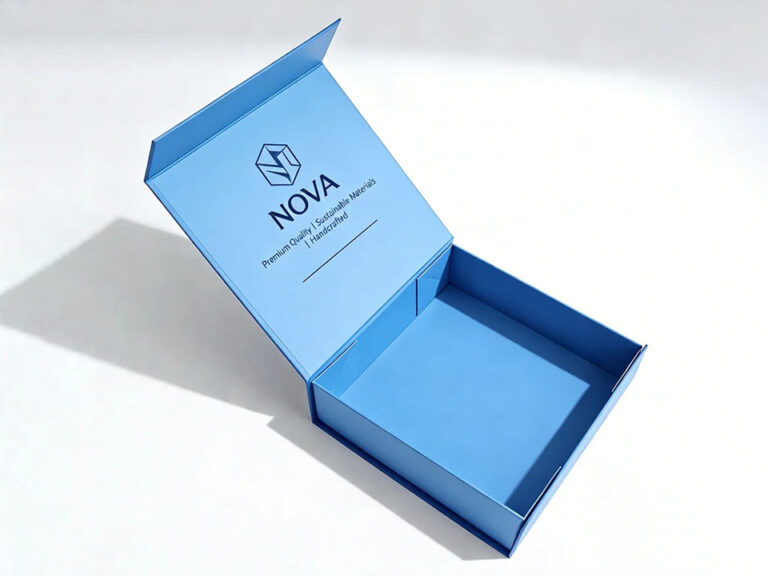
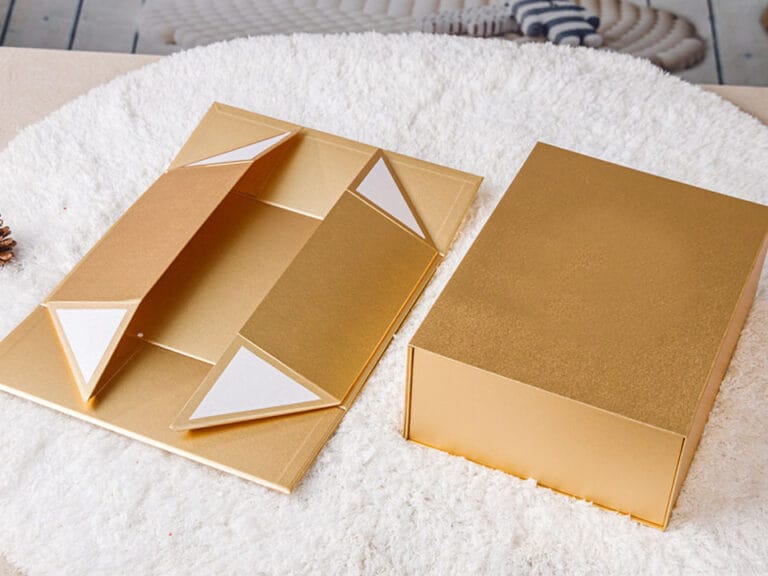
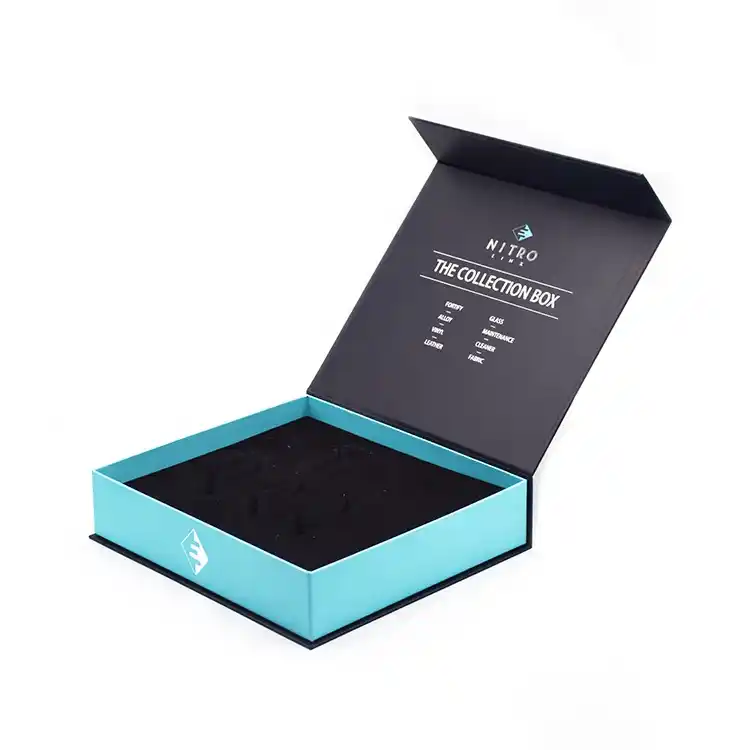
A collapsible gift box looks simple: ship it flat, pop it up, drop the product in, close the lid, done. But the “nice” feeling doesn’t come from the print. It comes from two things that people don’t talk about enough: creases (score lines) and magnets (closure control).
If either one is sloppy, the box will fight you on the packing line. Worse, customers will feel it in two seconds. They won’t say “score depth is inconsistent.” They’ll just think the brand is… not premium.
I’m going to argue this straight: you should approve samples only after these six checks pass. It’s the fastest way to protect your unboxing experience, reduce rework, and keep reorders consistent.
If you want a partner that builds to spec and not to vibes, Zhibang Packaging does custom paper packaging at scale, supports OEM/ODM, runs ISO-style quality control, and ships globally for industries like cosmetics, electronics, and food. You can start here: custom paper packaging solutions.
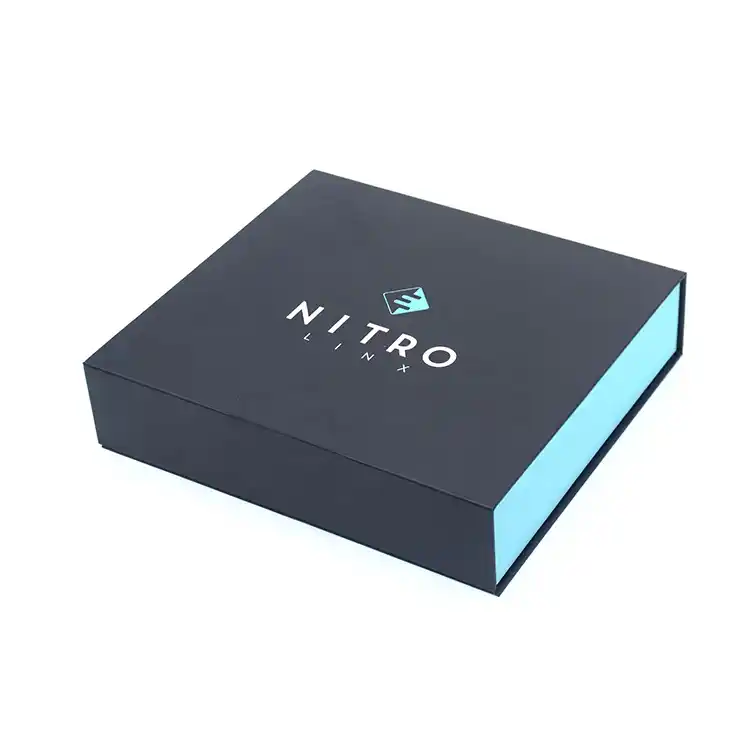
Crease-to-crease is the boring measurement that causes the loudest problems.
When crease spacing drifts, you’ll see:
This is classic tolerance stack-up: board thickness + score position + wrap tension + glue line all add together. One small miss turns into a crooked box.
Do this on at least 3 samples (one sample can lie).
If you’re using inserts (EVA, paper pulp, blister), check again with the insert inside. Inserts push panels out and expose weak geometry.
Write this in your spec sheet:
If you’re sourcing more formats later (mailer + inner box), keep your packaging system consistent. Zhibang can support the full lineup, from rigid gift boxes to shipping-ready outers.
Score too shallow and the box fights assembly. Score too deep and you get:
Soft-touch feels great… until the fold line turns chalky. That’s where premium dies.
Do this on the highest-risk panels: lid edge, front panel, and any area with heavy ink coverage.
Use shop-floor language your supplier understands:
If your project uses multiple finishes (matte + foil + emboss), tell the factory early. Zhibang’s team does structural + finish planning in one workflow, which helps avoid “finish looks good, folds look bad” situations. See About Zhibang Packaging.
This is where collapsible boxes either feel engineered… or feel like it’ll tear next week.
Watch for:
If the hinge line isn’t straight, the lid won’t track straight. Simple as that.
Do the one-hand open check:
If you feel drag, listen for crackle, or see the wrap lift at the spine, that’s a red flag. Also check the hinge area after you leave the box closed for 10 minutes—some wraps relax and show bubbles later.
Add these bullets:
Need both a retail-ready box and a transit-ready outer? Pair a collapsible gift box with a corrugated shipper. Zhibang’s packaging solutions cover that full chain.
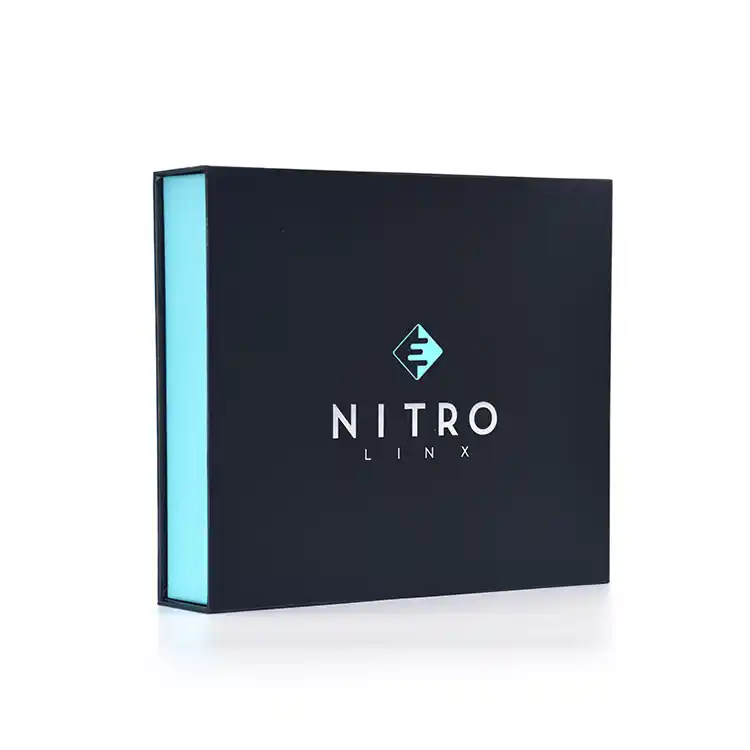
A magnet closure should feel like it “knows where home is.” When placement is off, you get:
On the packing line, misalignment slows down every single pack-out. It’s small pain, repeated a thousand times.
Run the Find-Home closing test:
Pass means: it lands in the same spot almost every time, with even gaps. If you have to “steer” the lid, magnet position isn’t locked.
Also check magnet telegraphing: run your finger across the wrap area. If you feel a bump, the magnet sink depth is off.
Write:
If you’re not sure which structure fits your brand (book-style, clamshell, drawer), start from Products and work backward from how the box should open.
This one is painful because it can slip into mass production if nobody checks it.
Polarity errors cause:
It’s a simple mistake, but it can ruin a whole batch. And yeah, it happens.
If one box feels different from the others, stop and investigate. Don’t assume “that one is weird.” Weird becomes normal in production.
Add a hard line:
If you’re coordinating approvals across teams (brand + sourcing + factory), having a clean QC flow helps. Zhibang’s ISO-style approach is built for that kind of repeat order control. If you need a fast spec review, use Contact.
Pull strength isn’t about “strong.” It’s about right.
Too weak:
Too strong:
And here’s the real thing people forget: pull feel changes after repeated open/close cycles. Adhesives settle. Wrap tension relaxes. So you must test it, not just touch it once.
Do a simple 3-step check:
If the lid needs two hands, your closure is too aggressive for everyday use. If it pops open with light motion, it’s underpowered.
Also consider scenario: cosmetics kits get opened often; electronics gift sets get opened slower but buyers notice precision more. Different use, different closure “feel.”
Add:
If you sell in multiple regions, you also want packaging that holds up in different shipping networks. Zhibang supports global delivery for brands across many markets, so your spec doesn’t have to change every time you ship to a new place. Check the brand overview on Zhibang Packaging.
| Keyword check | What you do (fast) | Pass looks like | Fail looks like | Shop-floor note |
|---|---|---|---|---|
| Crease-to-crease measurement | Measure both directions + diagonals | Square opening, lid sits straight | Twist, uneven reveal gap | “Tolerance stack-up showing” |
| Score line depth | Pre-break + 10–20 fold cycles | Fold stays clean | White break, cracking | “Score too deep/shallow” |
| Hinge alignment | One-hand open/close x20 | Smooth track, no drag | Drag, bubble, fish mouth | “Tape drift / wrap tension” |
| Magnet position | Find-Home test x10 | Self-aligns, even gaps | Needs steering | “Magnet jig not stable” |
| Magnet polarity | Compare multiple samples | Same snap feel | Repel/weak/odd | “Polarity mix” |
| Magnetic pull strength | Shake + one-hand open | Secure but easy | Pops open / too hard | “Over/under spec” |
| Symptom | Likely cause | Quick fix direction |
|---|---|---|
| Lid sits crooked | Crease spacing drift or hinge off-center | Re-check dieline + hinge placement jig |
| Fold line turns white | Score too deep or paper grain wrong | Adjust score, confirm grain direction |
| Lid rubs side wall | Hinge not centered or wrap too tight | Align hinge tape, reduce spine tension |
| Magnet bump visible | Magnet sink too shallow | Deepen sink or adjust wrap layers |
| Closure feels weak | Magnet misalignment or low pull | Fix placement first, then adjust pull |
| Closure feels “sticky” | Too much pull or tight hinge | Reduce pull or improve hinge freedom |
This table is what your factory people actually use. It’s not fancy, but it saves time.
When you approve a sample, you’re not just approving a look. You’re approving a behavior: how it folds, how it closes, how it survives handling, and how fast your team can pack.
That’s why collapsible gift box sampling should look more like QC and less like mood board.
If you want a supplier that can run this as a repeatable program—structure, sampling, production, and supporting formats like folding cartons and shippers—Zhibang Packaging is set up for it. Browse Products, and if you’ve got a dieline or a rough sketch, send it through Contact. They can build a sample path that matches how you’ll actually use the box.