Talk To Our Boss If You Didn't Find The Solution
Our boss, Alanna will ask our team to find out the solution very soon! You must be satisfied with our services!


Packaging is product.
If you’re still treating packaging as a last-step “container,” you’re going to ship warm rice, smeared mayo, wet nori, and a refund request—because the package dictates stack height, headspace humidity, sauce migration, and how a customer physically eats the thing while walking, driving, or hovering over a kitchen sink at 11:47 p.m.
So why do most sushi launches start with the roll?
I’m going to say the quiet part out loud: a lot of “sushi menu ideas” are just chefs brainstorming in a vacuum, then operations cleaning up the mess with extra labor, extra stickers, and extra apologies. But “Sushi Pop” flips the logic. You start with the eating mechanism. Then you build the menu to fit.
And yes, you can make this work without turning sushi into carnival food. But you need to get serious about two forces that don’t care about your brand voice: regulation and distribution economics.
One deal explains the economics.
When Sojitz bought Sushi Avenue’s U.S. takeout sushi business (300+ retail locations; “several billions of yen” purchase price; profit target rising to 4 billion yen by March 2027), it wasn’t a romance novel about craftsmanship—it was a scale bet on standardized product development and repeatable packaging performance.
Do you think your local launch gets a free pass from that same math?
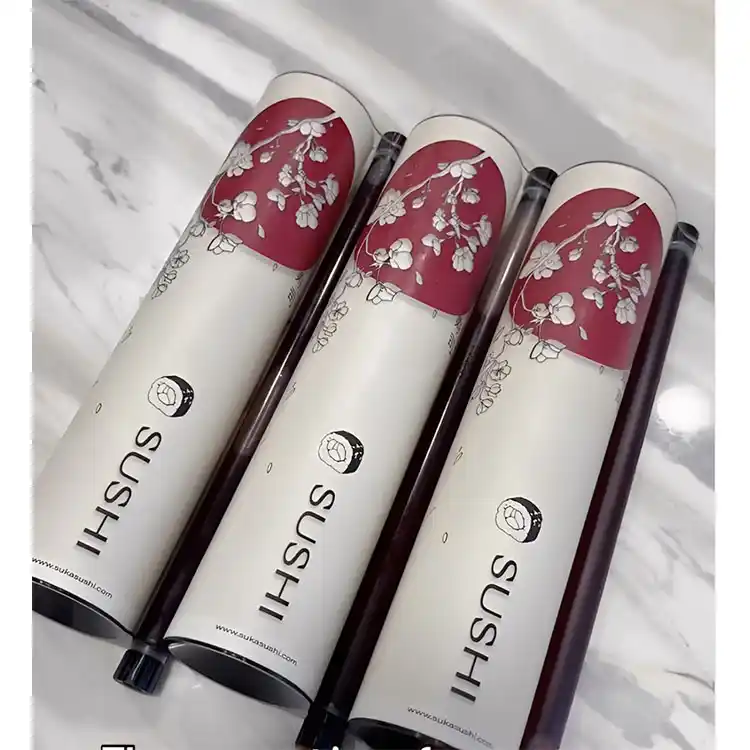
Three words: controlled variables.
A Sushi Pop menu is basically sushi menu engineering: fewer SKUs, tighter build specs, and a packaging format that forces consistency—diameter, height, portion mass, sauce placement, even the friction of “push-to-eat.”
And if you pick the right container, you also get marketing for free, because a vertical form factor has higher visual novelty-per-square-inch than another black clamshell that looks like every other Tuesday-night takeout.
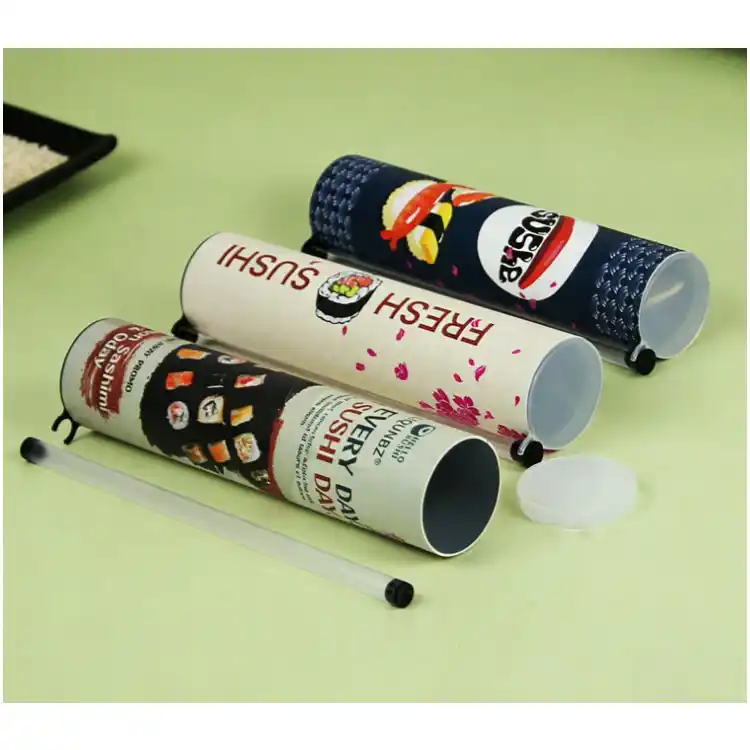
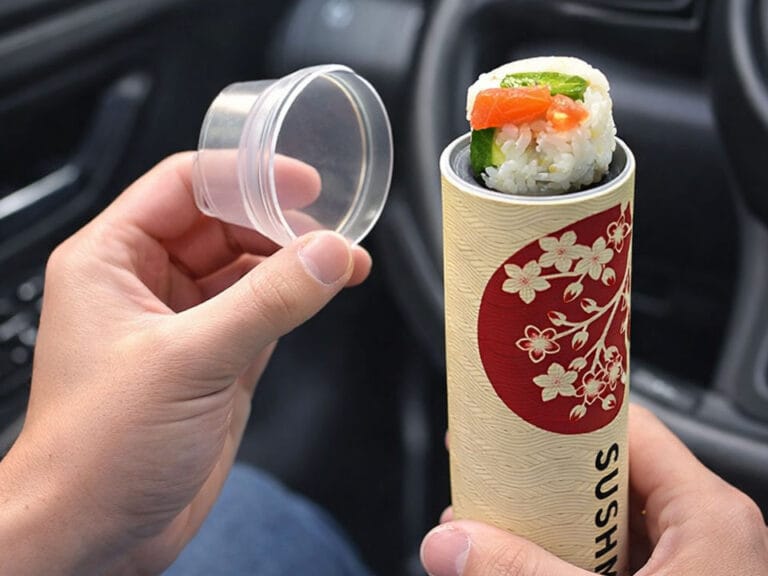
If you want the quick version of the structure mechanics, Zhibang’s breakdown of the sushi push pop tube packaging trend is refreshingly blunt about what’s actually happening: it’s a mechanism dressed up as “new food.” I agree. That’s also why it sells.
But mechanism alone doesn’t save you. Materials do.
Here’s the hard truth: “food packaging innovation” has a legal ceiling, and that ceiling is dropping in more places than operators notice.
Minnesota is a clean example because they wrote it plainly: no intentionally added PFAS in food packaging. The statute definition of PFAS is broad, and the prohibition language is not subtle.
If your grease-resistance strategy is “some mystery coating” and vibes, you’re gambling with enforcement, retailer requirements, and the kind of PR disaster that spreads faster than your delivery radius.
Then zoom out. The EU has already moved beyond “recycling talk” into mandates: on December 16, 2024, the Council adopted a packaging-and-waste regulation that calls out PFAS thresholds in food-contact packaging and explicitly says takeaway businesses must allow customers to bring their own containers at no extra charge—plus binding reuse targets and restrictions on certain single-use formats.
What happens when your brand tries to scale into markets where “single-use by default” becomes the thing you have to justify?
So, when you build a Sushi Pop menu, you don’t just pick a container. You pick a compliance posture.
Small sentence. Big consequence: prototype first.
If you start by locking recipes, then shopping for packaging, you’ll end up “fixing” texture with extra sauce, extra sugar, or worse—extra time held in cold storage that dries rice and hardens the bite.
Here’s the sequence I’d use if I were running a tight “sushi product launch” and wanted speed without self-sabotage:
Want the deeper manufacturing logic? Their custom tube packaging design process is one of the few vendor guides that actually talks about mixed materials, FSC boards, and ink choices without pretending it’s all magic.
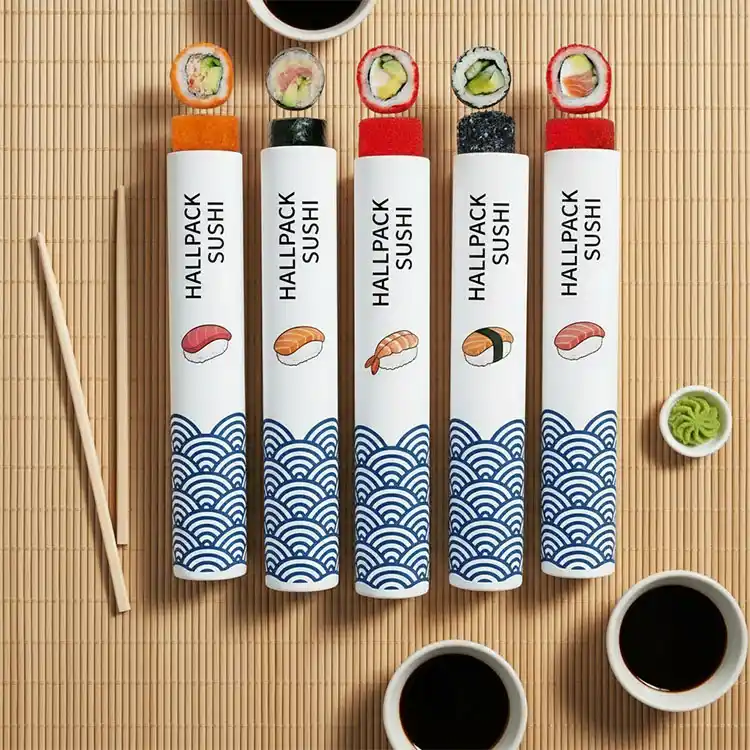
Short line: stop overstuffing.
Overstuffing is the classic error—chefs chase “value,” but the tube punishes sloppy mass and uneven density, because compression changes bite feel and pushes sauces into rice.
Here are packaging-native formats that behave:
And yes, your “sushi pop menu concept” should include at least one item that’s designed to be filmed. But filming is not the product. Eating is.
| Pop SKU format | What customers think they’re buying | Main failure mode | Packaging countermeasure | Operations note |
|---|---|---|---|---|
| Classic Roll Pop (8–10 pieces) | “A roll I can eat anywhere” | Sauce pooling + rice mush | Spiral sauce application + barrier liner + tighter headspace | Fastest to train |
| Nigiri Stack Pop (4–6 minis) | “Premium bites” | Fish slip + smear | Micro-dividers + higher-friction inner wrap | Slower assembly, higher perceived value |
| Crunch Cap Pop | “Texture + novelty” | Crunch goes soft | Isolate crisp layer until final bite | Requires staging crisp component |
| Handroll Core Pop | “Handroll without mess” | Nori turns leathery | Keep nori separate or use a crisp sleeve insert | More parts, fewer complaints |
Three words: branding over function.
Everybody wants the hero artwork, the foil logo, the “limited edition” vibe—and then they choose a structure that can’t survive 30 minutes in a delivery bag.
But the real killers are boring:
If you’re building tube-based takeaway, start with the fundamentals in Zhibang’s paper tube packaging overview and then narrow into sushi-specific structures.
The container type is your platform; the menu is your software.
What is a Sushi Pop menu?
A Sushi Pop menu is a tightly curated set of sushi items engineered specifically for vertical, single-serve packaging (usually a tube), where portion geometry, sauce placement, and texture preservation are designed around transport stress and a fast “open-to-bite” eating flow that works for delivery, street eating, and retail grab-and-go.
After that definition, the key is discipline: fewer SKUs, repeatable builds, and a packaging spec that forces consistency instead of begging staff to be perfect.
How do I launch a sushi pop menu without ruining rice texture?
Launching a sushi pop menu without ruining rice texture means controlling time, moisture migration, and compression by designing each SKU to fit the container’s internal diameter and headspace, staging sauces to avoid pooling, and setting a hard “assemble-to-handoff” window that you enforce like a food-safety rule.
If you want one rule: treat sauce as a controlled coating, not a topping, and don’t hold assembled pops “just in case.”
What packaging materials should I avoid for Sushi Pop in 2024?
Packaging materials to avoid for Sushi Pop in 2024 are any food-contact paper or barrier coatings where the supplier cannot clearly document the chemical system used for grease resistance—because multiple jurisdictions are restricting PFAS in food packaging, and uncertainty creates compliance and retailer-risk even if your product tastes great.
The practical move: require explicit material disclosure and choose barrier strategies you can explain in one sentence.
How should I price Sushi Pop items?
Pricing Sushi Pop items means anchoring on convenience and performance (clean eating, no leaks, no mess) rather than raw gram weight, then building a tiered ladder—entry pop, premium protein pop, and a high-margin add-on—so you can protect margin while keeping at least one “easy yes” price point for repeat orders.
If your packaging increases perceived value, charge for it, or you’ve just funded your customer’s unboxing for free.
What are the best sushi menu ideas for delivery that don’t collapse?
The best sushi menu ideas for delivery that don’t collapse are formats that minimize free liquid, reduce lateral sliding, and tolerate compression—like compact roll pops with controlled sauce films, divider-based nigiri minis, or vegan pops that lean on dry seasonings and crisp elements—because delivery failures are mostly physics, not flavor.
If it survives a driver braking hard, it survives real life.
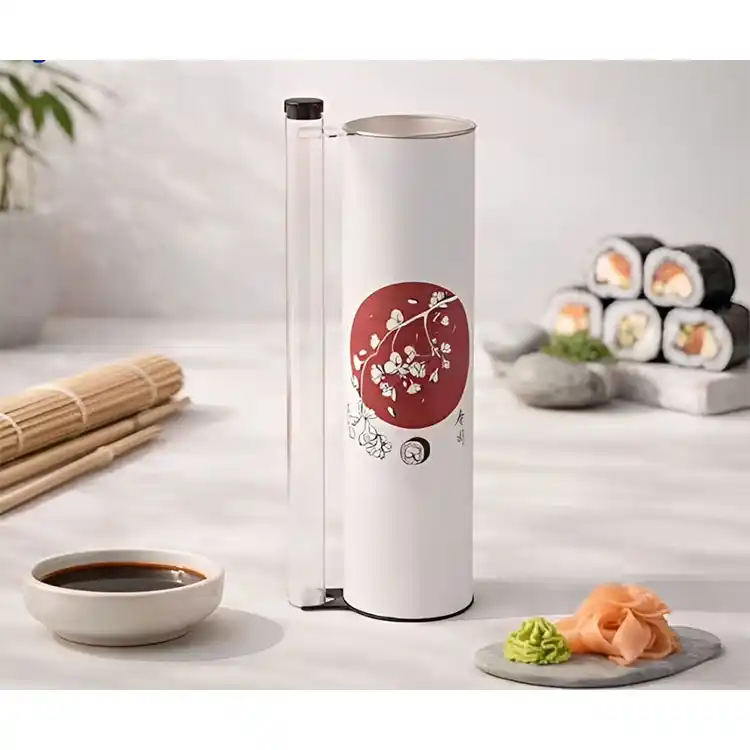
If you’re serious about “how to launch a sushi pop menu,” stop thinking like a menu planner and start thinking like a packaging engineer with a marketing budget. Pick your container platform first, prototype three SKUs, torture-test delivery, then scale the winner.
Start here if you want structures that are already built for the idea: Push Pop Sushi Containers for modern sushi brands and the matching Custom Sushi Packaging Paper Tubes & Push Pop Containers.