Talk To Our Boss If You Didn't Find The Solution
Our boss, Alanna will ask our team to find out the solution very soon! You must be satisfied with our services!


Three words: most lies.
Recyclable cosmetic packaging only “exists” if real sorting infrastructure can separate it, bale it, and sell it—so the minute you add a mixed-material pump, a metallized label, a carbon-black cap, or a glued-in magnet, you’ve basically engineered landfill with better typography.
So… are we designing packaging, or designing excuses?
I’m going to be blunt because the market is already doing the polite version and it’s not working. “Eco-friendly makeup packaging” has turned into a styling brief, not a systems brief. Meanwhile regulators are getting sharper teeth: the EU’s direction is clear—packaging on the market should be recyclable by 2030, and the new EU rules lean hard into waste reduction and reuse targets. That’s not a vibe shift; that’s procurement risk. If you sell into Europe, you can read it straight from the European Commission’s packaging waste objectives and the EU Council’s December 16, 2024 sign-off.
Now bring it back to California, because beauty brands love to ignore California right up until they can’t. Under SB 54 rulemaking, the headline targets include 100% recyclable/compostable packaging by 2032, 65% recycling, and a 25% source reduction vs. 2023. That’s not niche policy—California scale makes it supply-chain gravity.
Short sentence. Stop overbuilding.
In luxury, teams often stack signals—extra trays, deep foils, heavy laminations, multi-piece closures—because they’re paid to make something feel expensive, and they don’t get punished when recyclability quietly dies in the corner of the spec sheet.
Who exactly is rewarded for shipping “premium sustainable beauty packaging” that won’t clear a materials recovery facility?
If you want an internal reference point for how premium cues get engineered (without automatically adding plastic junk), Zhibang’s own breakdowns are useful—start with their view on sustainable cosmetic packaging solutions and how structure + finish do most of the “luxury” work in custom cosmetic boxes.
Here’s the uncomfortable truth: the most reliable recyclable “premium” materials are boring. Boring is good. Boring means predictable streams.
PCR plastic cosmetic packaging can be legit. But “PCR” is not a hall pass; it’s just resin origin. A PCR PET (#1) bottle with a mixed-material pump is still a problem child, just with better PR.
Also, legal exposure is real. Courts are entertaining cases arguing that “recyclable” claims mislead when the item isn’t accepted by most facilities—see the February 2024 ruling letting a recyclability case against Colgate-Palmolive proceed, reported by Reuters. That’s toothpaste tubes, not mascara… but the logic transfers fast.
Hard rule I use: if the pack needs a paragraph of explanation to be recycled, it won’t be.
Mono-material cosmetic packaging—typically PP (#5) or PE (#2/#4)—is the closest thing to a “design for recycling” baseline we’ve got in mass market conditions. The Association of Plastic Recyclers design guidance is pretty clear on why mono-material and compatibility matter, even if packaging teams pretend it’s optional reading. Their APR Design Guide overview is the kind of doc that should be stapled to every beauty pump brief.
And yes, you can still do premium: tight parting lines, controlled gloss, tactile varnish, and a cap geometry that feels “click precise,” not “dollar store squeak.”
Recyclable glass cosmetic containers look premium almost automatically. The catch is physics: glass is SiO₂-based, inert, widely recyclable, and heavy. Weight matters because transport emissions are not a rounding error when you scale.
The better glass play in cosmetics is often: durable glass + refill system + lighter secondary packaging. A concrete example: Packaging Digest reported The Estée Lauder Companies transitioned Revitalizing Supreme+ packaging to a recyclable glass jar with refill option, with an LCA projection showing ~40% reduction in associated emissions and water consumption when buying a jar plus one refill (after the initial jar purchase).
Also: ELC’s own 2024 reporting claims 71% of its packaging by weight aligned with recyclable/refillable/reusable/recycled/recoverable framing in fiscal 2024—worth reading, and worth scrutinizing.
Aluminum is one of the few materials where recycling economics can actually work in the real world because scrap value is meaningful. For premium beauty, aluminum closures, shells, or refillable outer cases can scream “luxury” without forcing mixed-material chaos—if you design separability.
If you want a pragmatic packaging-engineering angle (drop tests, bottle risks, structure), Zhibang’s piece on protecting fragile bottles with perfume packaging engineering is closer to how actual packaging failures happen than most glossy trend reports.
| Material route | What it looks like in cosmetics | Recycling reality (typical) | Premium cues that don’t break recycling | Common failure mode |
|---|---|---|---|---|
| PCR PET (#1) | Clear bottles, gloss, “clean beauty” look | Works when components are compatible and widely accepted | High-clarity resin, minimal inks, removable labels | Mixed-material pump + metallized label = “recyclable” in theory only |
| PCR HDPE (#2) | Opaque bottles, softer feel | Strong stream in many regions | Soft-touch varnish on secondary carton, not on bottle | Dark pigments, overdecorated sleeves |
| Mono-material PP (#5) | Caps, jars, some airless designs | Good when truly mono and compatible | Micro-texture, precision fit, restrained graphics | Metal springs, mixed elastomers, glued inserts |
| Glass (SiO₂-based) | Jars, bottles, heavy “luxury skincare” | Widely recyclable; weight can hurt footprint | Refill systems, lightweight outer cartons | Overbuilt secondary packaging + multi-material pumps |
| Aluminum (Al) | Shells, caps, refillable outer packs | Strong recycling economics where collected | Anodized finish, brushed textures, crisp emboss | Plastic liners bonded permanently, hard-to-separate assemblies |
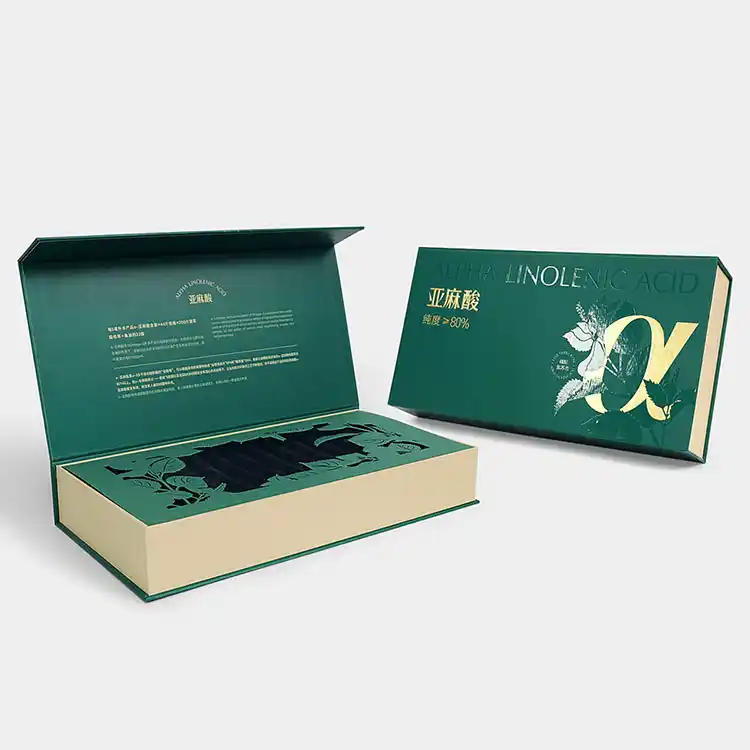
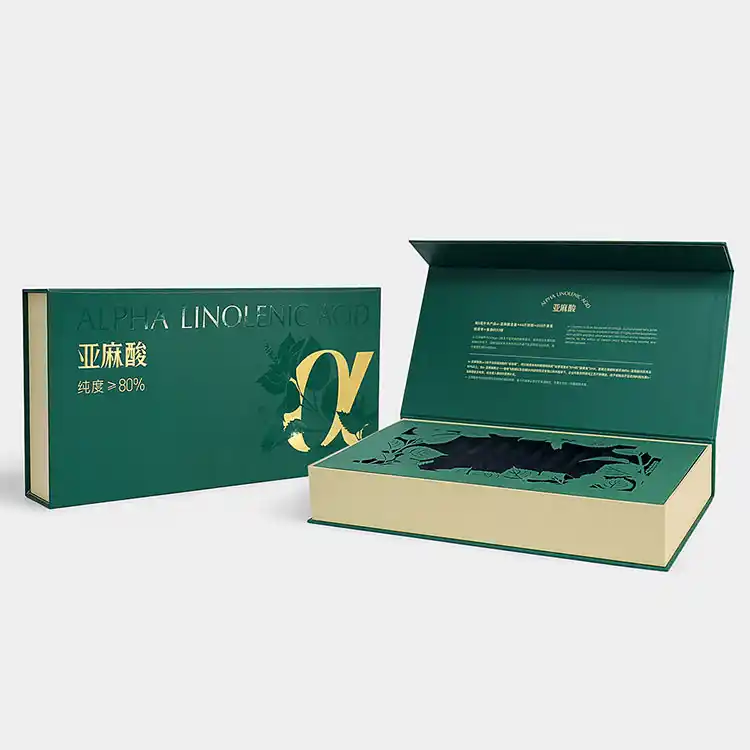
| Fiber-based cartons (FSC/recycled) | Folding cartons, rigid boxes, inserts | Strong when unlaminated / de-inkable | Emboss/deboss, spot varnish, smart structure | Plastic windows, heavy lamination, magnets |
If you’re designing the secondary pack (where most cosmetic brands still have the most freedom), start with structures that ship efficiently and don’t need plastic trays—Zhibang’s folding cartons and the trend overview in latest cosmetic packaging design trends are solid jumping-off points.
Three words: finish is risk.
Soft-touch, metallic effects, and high-saturation inks can be fine on paperboard, but on plastics they can interfere with detection and reprocessing—plus they tempt teams to add layers, liners, films, and adhesives that turn a single material into a composite.
Do you want a premium unboxing moment, or a premium compliance problem?
Here’s my rule-of-thumb stack for how to make recyclable cosmetic packaging look premium without getting cute:
And please stop calling something “eco-friendly makeup packaging” because you swapped virgin PET for PCR PET while keeping the same Frankenstein pump.
People say they want refill. They often do. But they don’t want friction.
A 2023 Reuters report cited research showing 69% of respondents were likely to try products in returnable packaging, while big brands still struggled to scale reuse programs. That gap—consumer intent vs operational rollout—is the story.
If you want refill to work in premium, you design it like luxury hardware: durable outer, clean refill swap, and no weird mess. Otherwise it becomes a “sustainability feature” that customers try once and ghost.
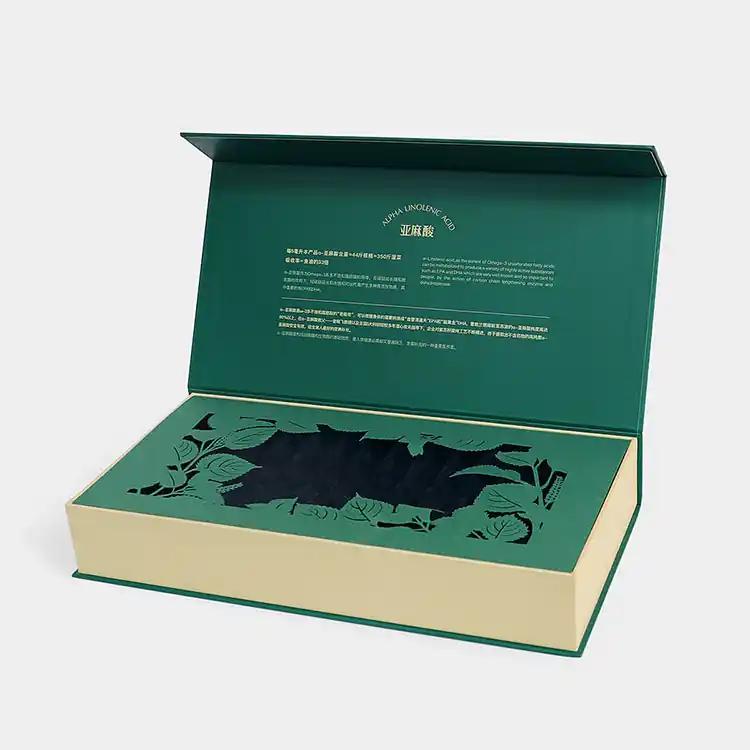
Sustainable cosmetic packaging is packaging designed to cut total environmental impact across sourcing, manufacturing, transport, and end-of-life—typically by reducing material, using widely recyclable substrates (like PP #5, PET #1, aluminum, glass), incorporating verified post-consumer recycled (PCR) content, and avoiding components that block collection or sorting.
In practice, it’s less about the marketing claim and more about whether your pack survives real collection and sorting rules in the markets where you sell.
PCR plastic cosmetic packaging is packaging made with post-consumer recycled resin (e.g., 30%–100% PCR PET or HDPE) that can still be recyclable, but only if the full component set—bottle, pump, cap, label, adhesives—matches what local material recovery facilities actually sort and bale.
If your “recyclable” claim depends on specialized take-back programs, expect scrutiny—especially as recyclability litigation heats up.
Mono-material cosmetic packaging uses one dominant polymer family—most often polypropylene (PP, resin code #5) or polyethylene (PE, #2/#4)—so the whole pack can move through sorting and reprocessing without being downgraded by incompatible layers, metal springs, or mixed plastics that behave differently when melted.
It’s not sexy. It’s effective. And it’s one of the few design choices that consistently helps recyclability at scale.
Recyclable glass cosmetic containers are rigid packs made from soda-lime or flint glass (SiO₂-based) that are widely recyclable, yet they can increase total footprint when weight drives transport emissions, or when multi-material pumps and heavy secondary boxes negate the recycling advantage.
Glass becomes a better bet when paired with refills and right-sized secondary packaging.
Making recyclable cosmetic packaging look premium means engineering surface, structure, and decoration so the pack feels like luxury—tight tolerances, soft-touch or micro-embossed varnishes, controlled gloss, and minimal but high-contrast graphics—while avoiding the usual recycling blockers like metallized films, magnets, carbon-black pigments, and permanently bonded mixed materials.
Luxury is craftsmanship, not complexity.
If you’re serious about sustainable cosmetic packaging (not just “green” adjectives), treat it like a spec audit: pick your recycling stream first, then design the premium cues around it.
To benchmark structures and finishes that stay premium without piling on waste, start with Zhibang’s sustainable cosmetic packaging solutions, then sanity-check your secondary pack options via folding cartons and paper tube packaging. When you’re ready to price it, use their Need a Quote form or go direct through their contact page.