Talk To Our Boss If You Didn't Find The Solution
Our boss, Alanna will ask our team to find out the solution very soon! You must be satisfied with our services!


Most brands spend months dialing in their logo, tone, and ads. Then they ship the product in a box that looks like… everybody else.
That’s a rough trade. Because your packaging talks first. It hits the customer’s eyes, hands, and camera before your product even gets a chance.
And here’s the part people don’t love hearing: customers do judge. They won’t say “your ink density is off” or “your spot color drifted.” They’ll just feel “this seems cheap” or “this feels premium.” Packaging is brand perception in 3D.
If you want a quick way to map formats to channels, start at Zhibang Packaging’s product list: custom packaging solutions and all products.
Brands don’t “look premium” by accident. They control tiny details that most customers can’t name, but still feel.
Here’s the annoying truth: if your color shifts between production runs, your brand looks messy. People might not say “the PMS match is off,” but they’ll think “this feels cheaper.” That’s why serious brands treat packaging like a spec, not a vibe.
This is where you want real production discipline: PMS callouts, drawdowns, ink density targets, and on-press checks. In plain speak: your box should look like your box every time, not “close enough-ish.”
Zhibang Packaging runs ISO 9001-driven quality checks and supports spec-led production (the stuff buyers care about when they’re tired of reprints and returns). If your team’s been burned by color drift or inconsistent coatings, that matters.
Different print methods solve different pain:
That “versioning without chaos” is a real growth lever. You can keep brand consistency while still running fast experiments—new sleeves, limited editions, holiday runs—without blowing up your workflow.
Packaging black talk that solves real pain (yep, this is the stuff):
People remember how opening the box made them feel. That feeling sticks to your brand.
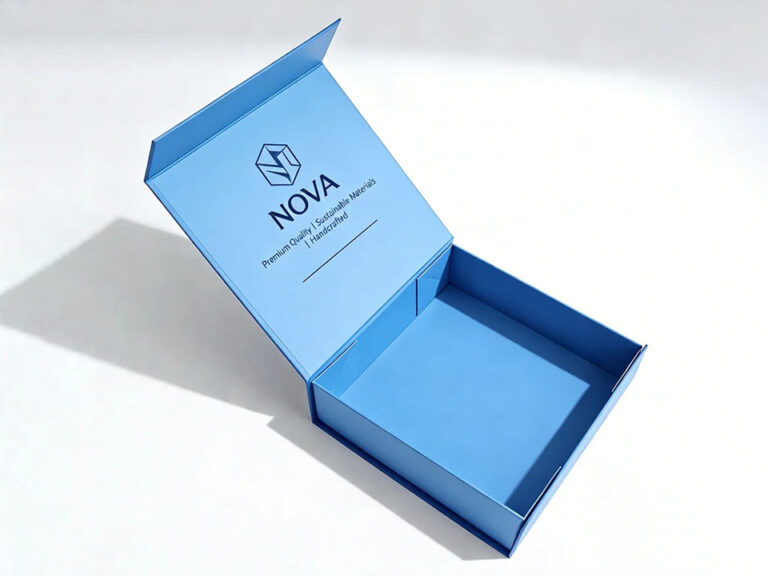
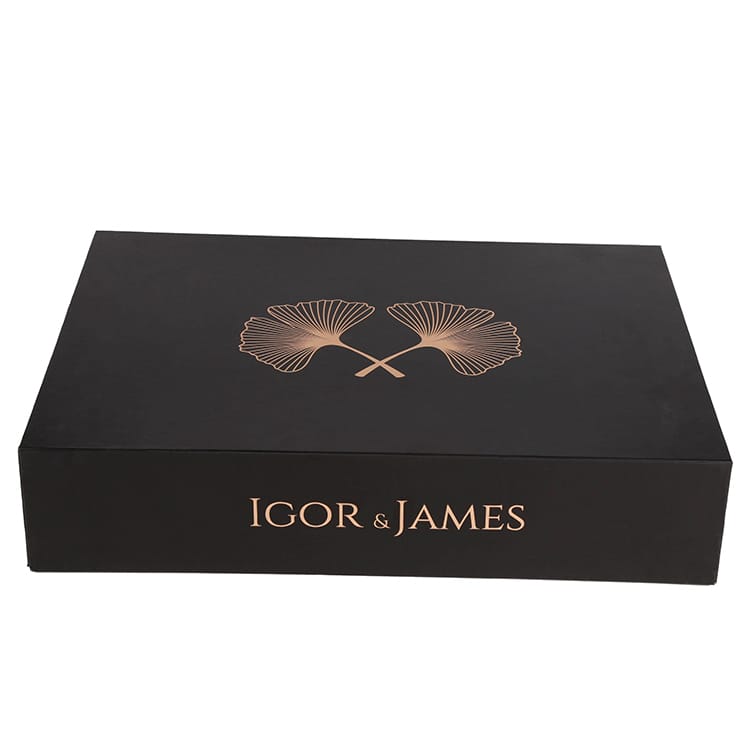
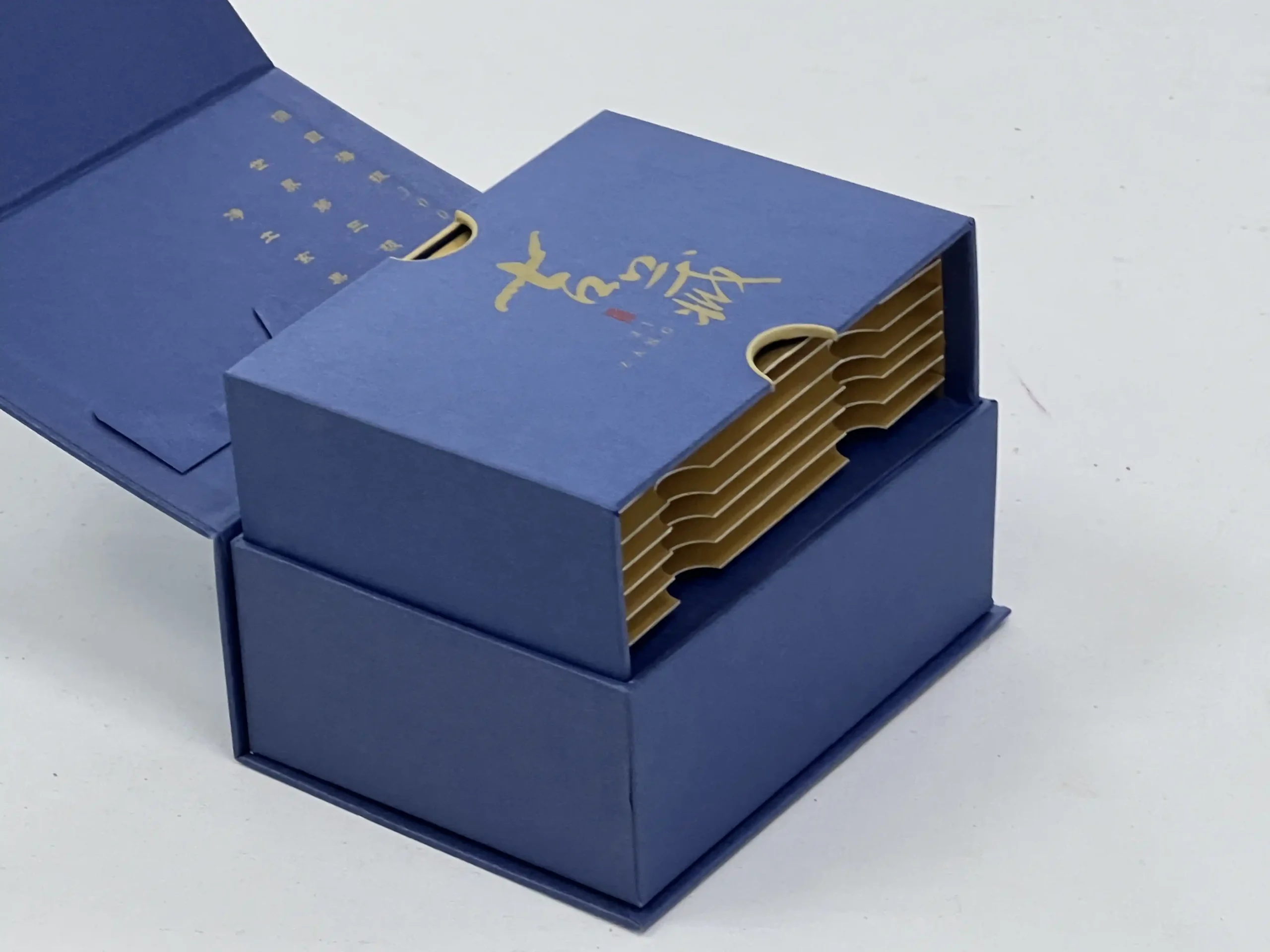
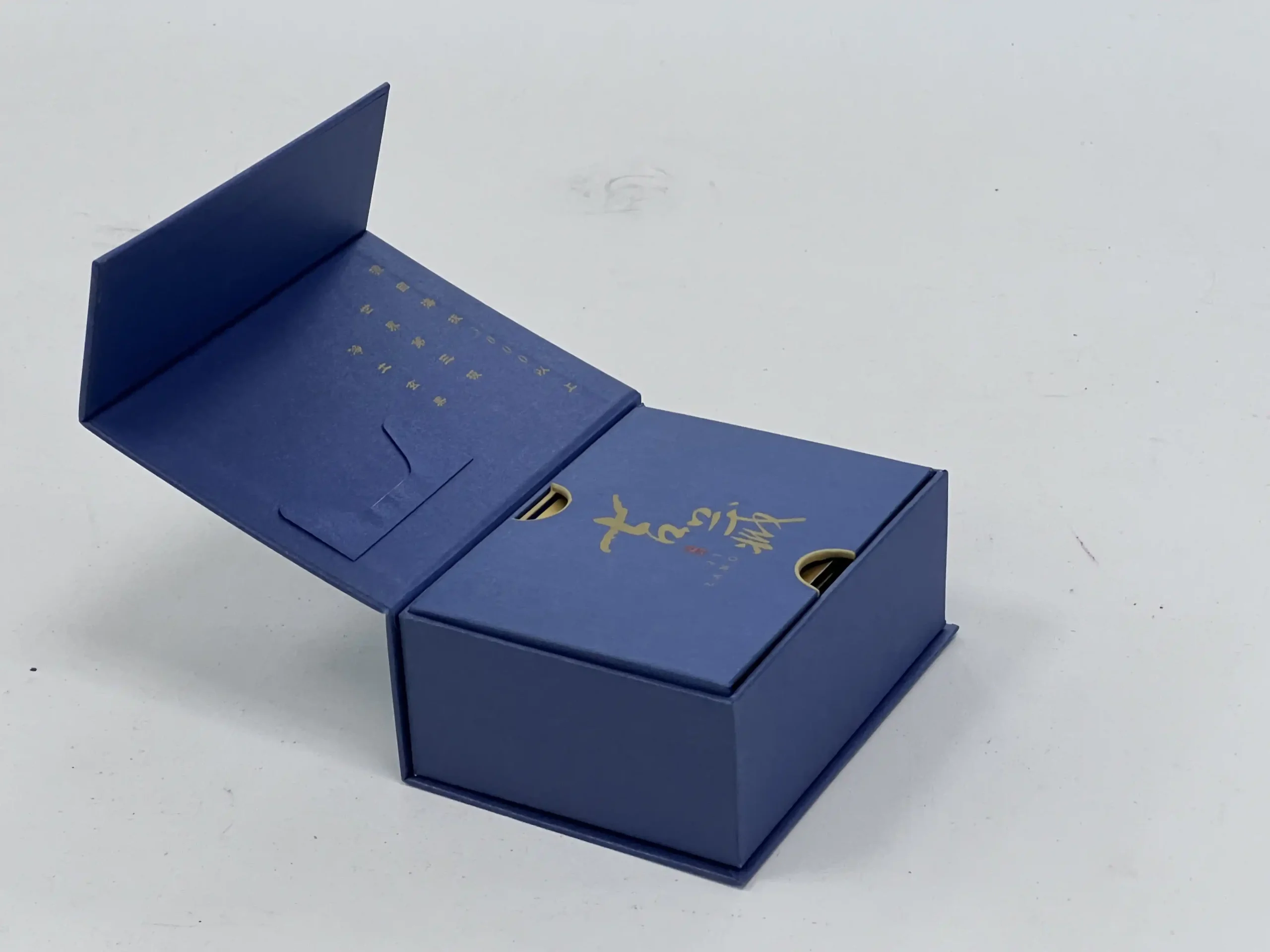
If your product is a gift, a collectible, or anything that screams “premium,” you don’t want a flimsy experience. A rigid setup box builds expectation the second someone holds it.
This is why brands lean into details like:
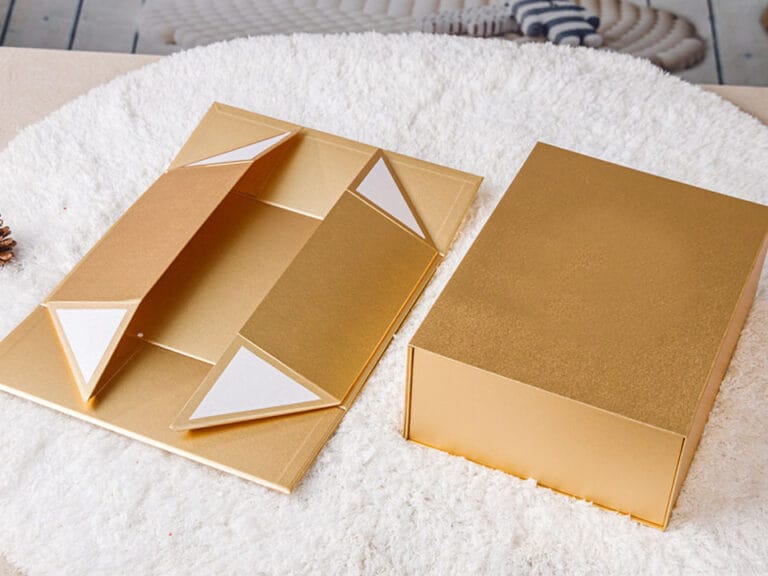
If you’re building a premium line, start here: luxury gift boxes or rigid boxes.
Unboxing isn’t just “pretty.” It’s operational.
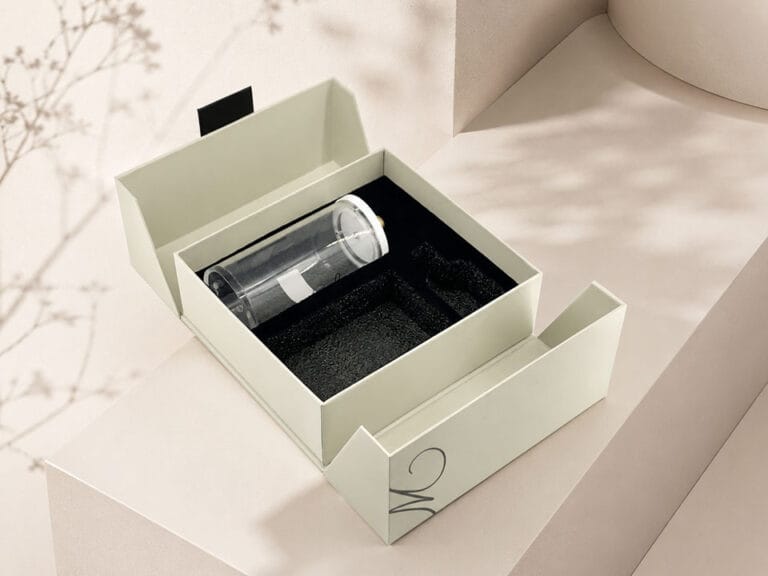
A smart insert does three jobs at once:
If your team is constantly fighting broken corners, scratched surfaces, or “why is this rattling,” you don’t need more bubble wrap. You need a packaging system.
E-commerce has one brutal rule: your packaging has to survive reality.
A clean mailer isn’t just a box. It’s a brand-safe shipping tool.
When you choose corrugated, you’re really choosing performance:
DTC brands love mailers because they print well and open well. If your products ship direct, look at mailer boxes and shipping boxes.
Oversized boxes create a chain reaction:
Right-sizing sounds boring. It is. But it’s also one of the simplest ways to reduce damage and make the brand feel tighter.
Retail shelves are loud. Your carton has to win in half a second.
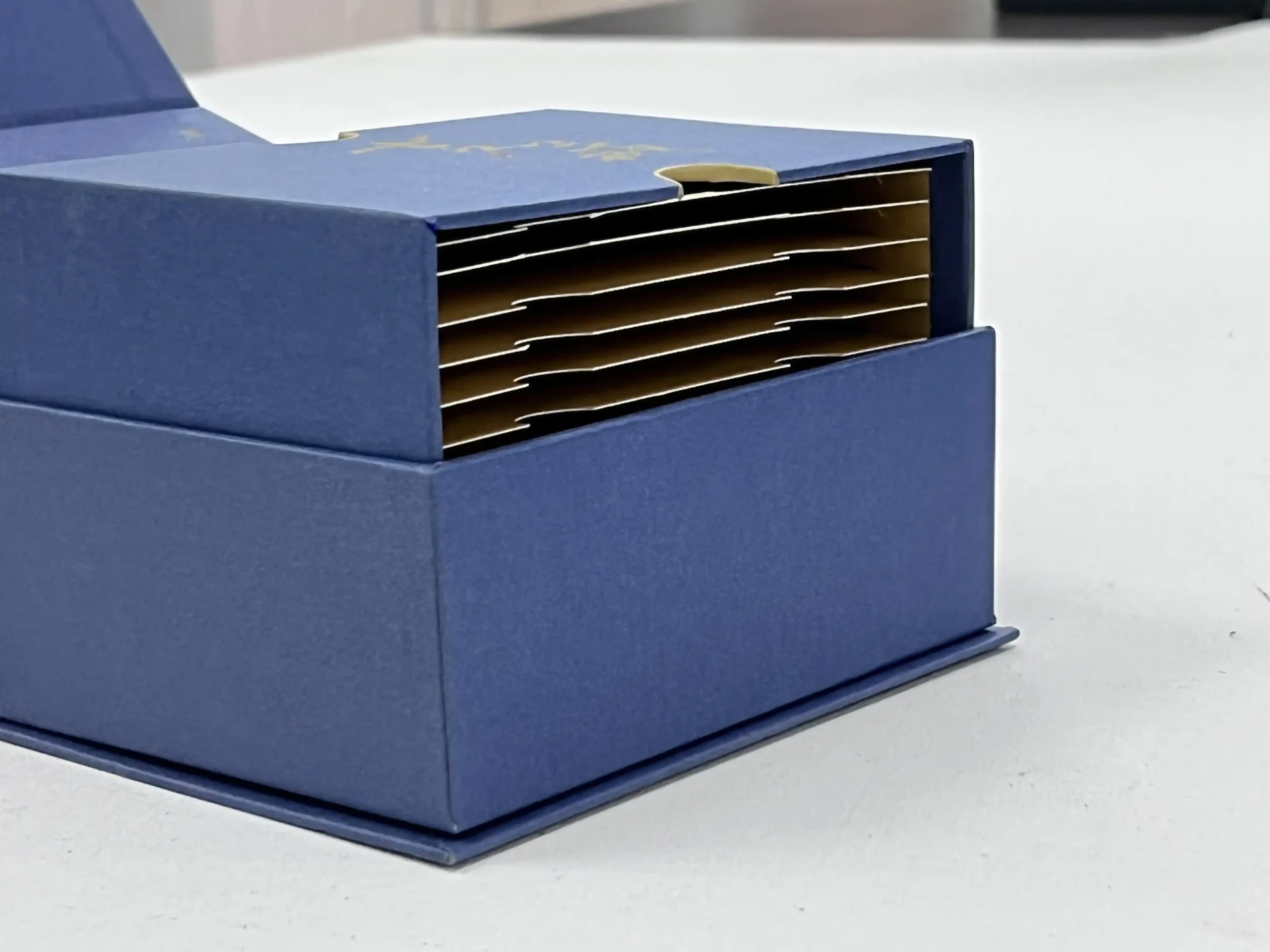
A strong folding carton doesn’t cram every message on the front. It builds a clear hierarchy:
Then it uses finish choices (matte, gloss, spot UV) to guide the eye without shouting.
If you sell cosmetics, electronics accessories, or food items that need sharp graphics, folding cartons usually give you the best “cost-to-impact” balance—without turning the design into a billboard.
Sustainability isn’t a trend anymore. It’s part of the buying decision, especially in beauty, food, and lifestyle categories.
Buyers don’t just want “recyclable.” They want clear signals:
And you’ve gotta keep it real. If you overclaim, customers call it out fast.
Start here if sustainability is part of your brand story: eco-friendly packaging.
A tiny line like “Made with responsibly sourced paper” can work better than a full paragraph of vague eco language. Customers want clarity, not a lecture.
Refreshing packaging can boost attention. It can also backfire hard if you erase recognition.
Tropicana’s redesign is the classic caution story. Public reporting described a sharp sales drop right after the change, and the key lesson wasn’t “don’t redesign.” It was this:
Don’t delete the visual assets customers use to find you.
Keep your “anchor” elements: signature color, core layout, key icon, or whatever people recognize at a glance.
If you’re planning a refresh, do it like a grown-up process:
It’s not glamorous, but it saves you from “why does this look different on every shelf.”
You asked for data support without the “citation bars,” so here’s the clean version: source names only, no external links.
| What the data suggests | Data point | Why it matters for custom boxes | Source (report / survey) |
|---|---|---|---|
| Packaging design influences buying | 72% say design often impacts purchase decisions | Your box is a conversion lever, not decoration | Ipsos survey for Paper & Packaging Board |
| Packaging materials matter | 67% say materials influence decisions | Paperboard choice affects trust + perceived quality | Ipsos survey for Paper & Packaging Board |
| Gift buying raises the stakes | 81% say packaging design matters for gifts | Rigid boxes and premium finishes fit gift scenarios | Ipsos survey for Paper & Packaging Board |
| Unboxing drives sharing | ~40% shared photos/videos of delivered products | “Camera-ready” boxes can generate organic reach | Dotcom Distribution consumer study (reported widely) |
| Unboxing content nudges purchases | 55% of people who watched unboxing content bought | Packaging can act like performance marketing | Dotcom Distribution study (reported widely) |
| Sustainability triggers switching | 39% switched brands due to more sustainable packaging | Eco packaging can steal share in crowded markets | Shorr sustainable packaging report |
| Many buyers pay more for sustainability | 43% willing to pay more | You can defend premium positioning with proof | Shorr sustainable packaging report |
| Country differences are huge | willingness-to-pay varies widely by market | You need region-aware packaging strategy | McKinsey consumer packaging insights |
| Packaging format keyword | Best-fit scenario | Buyer pain it solves | Zhibang Packaging page |
|---|---|---|---|
| Rigid boxes | luxury, gifting, high perceived value | premium feel, unboxing, protection | rigid boxes |
| Luxury gift boxes | gifting campaigns, influencer seeding | “wow” moment, keepsake packaging | luxury gift boxes |
| Folding cartons | retail shelf, cosmetics, electronics | sharp graphics, scalable runs | folding cartons |
| Mailer boxes | DTC, subscription, e-commerce | brand-safe shipping, easy open | mailer boxes |
| Shipping boxes | bulk ship, warehouse fulfillment | durability, less damage | shipping boxes |
| Eco-friendly packaging | sustainability-led brands | trust, compliance, less plastic | eco-friendly packaging |
| Custom packaging solutions | mixed SKU lines, multi-channel | consistent brand system | custom packaging solutions |
| All products | browsing to match format fast | speeds spec selection | all products |
Here’s what “good supplier” looks like when you’re the buyer stuck holding the bag:
That’s the lane Zhibang Packaging plays in: wholesale custom paper packaging, premium boxes, folding cartons, mailers, and shipping cartons—built for brands selling in North America, Europe, Asia, and more.
And honestly, the biggest value isn’t one fancy finish. It’s consistency at scale. When your packaging looks right across runs, regions, and SKUs, your brand feels stable. Customers trust stable.
If your packaging feels “fine,” but your brand doesn’t feel memorable, start with two checks:
Fix those, and you’ll see why custom boxes aren’t just packaging. They’re brand ops. They’re growth ops. They’re the physical proof that your brand is serious.
And if you want a clean place to start picking formats, go back to all products and match the box to the scenario you sell in.