Talk To Our Boss If You Didn't Find The Solution
Our boss, Alanna will ask our team to find out the solution very soon! You must be satisfied with our services!


Shipping candles in a hot climate is like sending chocolate in a warm car. You can’t fight the sun, but you can design around it.
Here’s the reality: many common wax blends start to soften around 120°F (about 49°C). Once wax softens, everything gets easier to mess up. The jar can shift. The label can scuff. Oil can weep. And the customer opens the box thinking, “This looks… off.”
So don’t treat the box like a pretty shell. Treat it like a system: structure + thermal buffering + pack-out discipline.
Before we go detail-by-detail, use this quick map.
| Hot-lane risk | What customers see | What you fix in the design |
|---|---|---|
| Heat soak in trucks and hubs | soft wax, dents, greasy marks | insulation + tighter immobilization |
| Long transit + weekend delays | warped cartons, scent oil stains | ship-window SOP + stronger outer |
| Condensation from gel packs | soggy paper, ink rub, label peeling | moisture barrier + smart placement |
| Too much empty space | broken jars, cracked lids | insert + right-size dieline |
Now the 7 design details that make a candle shipper survive summer.
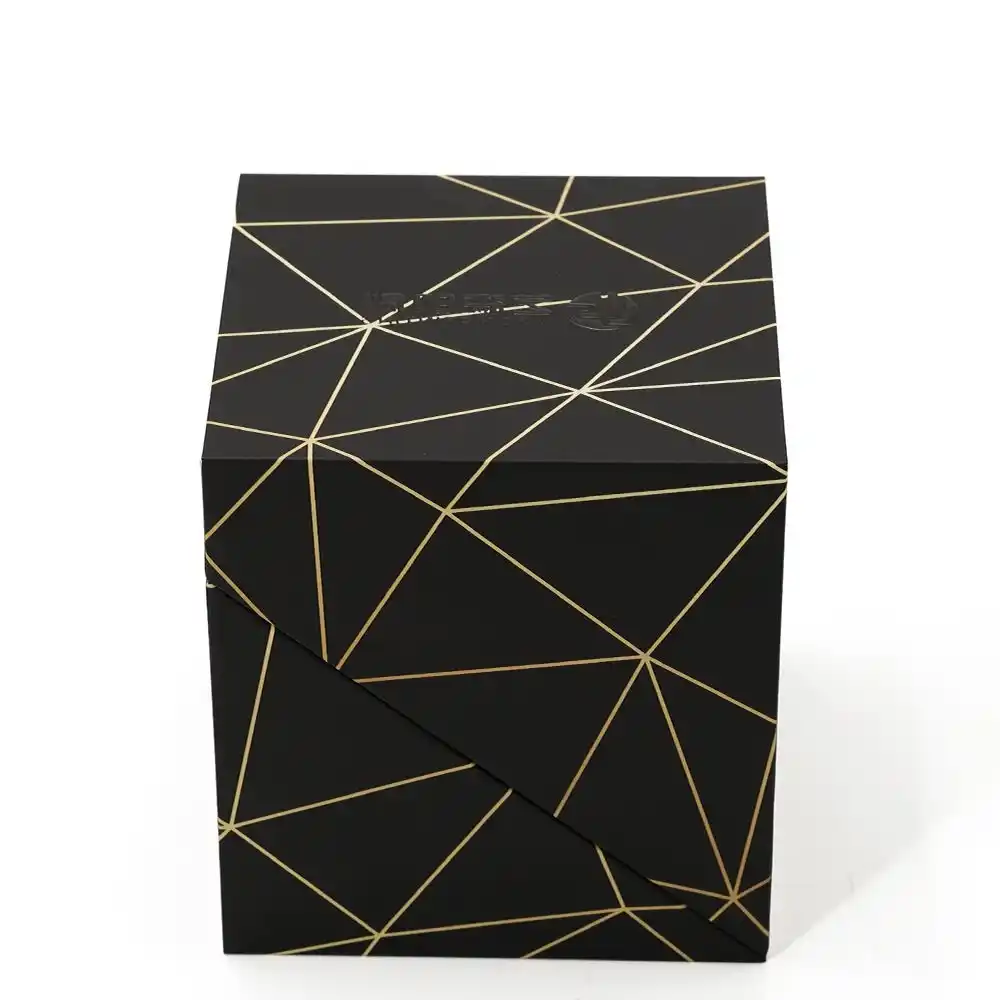
If your candle ships in a hot lane, your outer box takes a beating. It gets stacked, corner-crushed, and dragged across belts. Heat makes it worse because paper loses stiffness when it’s warm and humid.
Corrugated mailers are the workhorse for e-commerce because they give you stacking strength and impact resistance without turning your pack-out into a bulky brick.
What to spec (real-world options):
If you’re building shipping-grade cartons, start with Printed Corrugated Boxes and align the structure to your jar weight and route reality.
Small truth people ignore: “Pretty” doesn’t survive last-mile. Strong does.
Heat is one enemy. Movement is the other.
In hot weather, wax softens, and jars become more sensitive to movement. A candle that “kind of fits” is a candle that arrives scuffed, tilted, or cracked.
Your goal is simple: no rattle, no glass-to-wall contact, no pogo bounce.
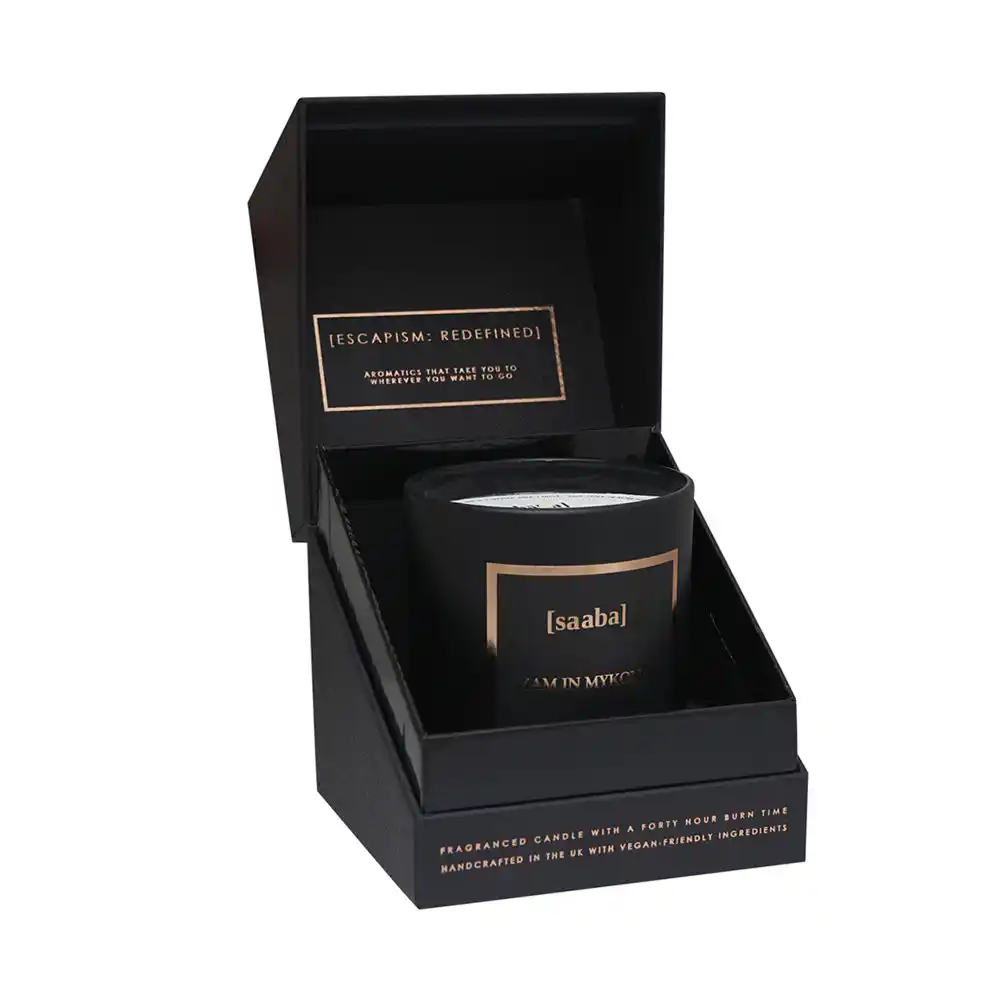
On Custom Candle Boxes, the whole point is protecting the candle during delivery. Inserts are how you get there.
Insert formats that work in real pack-out:
Industry black talk you can use with your supplier:
If you want a team that can help on structure and manufacturing, point buyers to Services and talk about dielines, fit checks, and sampling.
Oversized boxes feel safe. They are not safe.
Extra headspace turns into extra movement. Extra movement turns into cracks, chips, and scuffs. In hot lanes, that “tiny shift” becomes a bigger deal because softened wax makes the product feel unstable.
Right-sizing isn’t a vibe. It’s a damage-reduction lever.
Practical specs:
Here’s a quick checklist you can hand to a packaging engineer:
| Dieline check | What you’re verifying | Why it matters |
|---|---|---|
| Internal dimensions | jar + insert fits without force | prevents dents during packing |
| Clearance zones | no glass hits outer walls | reduces crack and chip risk |
| Lid fit | closes clean, no bulge | keeps compression strength |
| Pack speed | fast, repeatable steps | lowers packing errors |
If you’re mapping multiple formats (retail box + shipper), browse All Products so the system is consistent across SKUs.
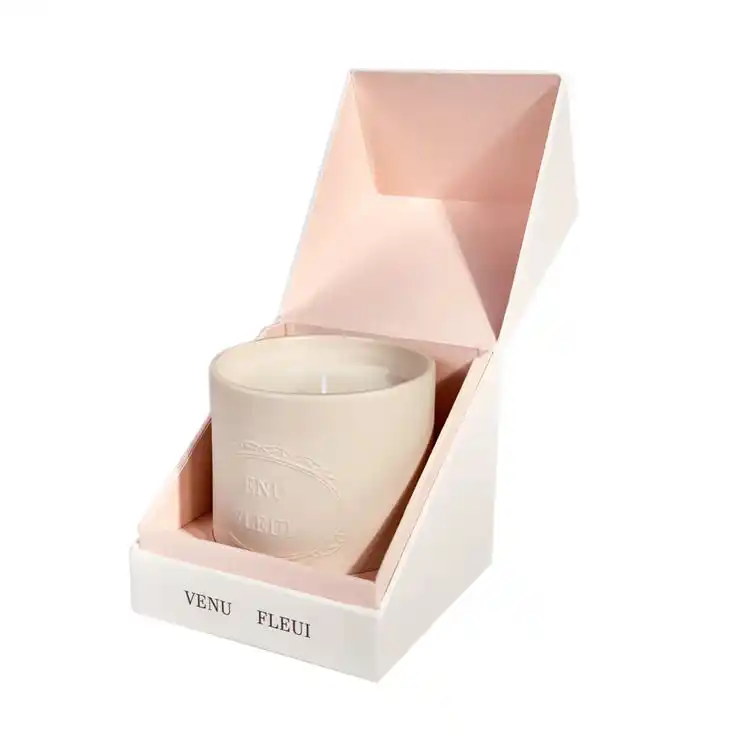
Hot climate shipping isn’t only about melting. It’s about appearance.
A candle can arrive intact but look beat-up. Matte prints scuff. Foils rub. Soft-touch shows fingerprints. And customers judge hard because candles are gift-y items.
So yes, finish choice is a shipping decision.
Coating moves that help:
One common pattern: a brand upgrades artwork, then sees returns rise because the finish looks “worn” after shipping. Nothing broke. The box just looks bad. That still kills reviews.
If you’re doing premium sets, pairing a rigid-style inner with a tough shipper usually works better than forcing one box to do everything. For premium inner formats, see Paper Gift Boxes or Collapsible Gift Boxes.
Sometimes, corrugated alone won’t cut it. Not in desert lanes, not in long hub dwell times, not when the route is basically “sun + metal truck.”
That’s where thermal liners come in.
You’ll see setups like:
People call this a “three-layer defense,” but honestly it’s just common sense engineering.
When to use thermal liners:
Key tradeoff: insulation buys time. It doesn’t create a fridge. If your transit is slow and the box sits in the sun, insulation helps, but it can’t do miracles.
If you want to connect this to your shipping SOP, this guide helps shape the thinking: How to Choose the Perfect Shipping Box.
Gel packs can help, but they come with a nasty side effect: condensation.
Condensation is a silent killer for paper packaging. It softens corners. It makes ink rub. It can warp the carton. Customers open the box and it feels… damp. That’s instant “ew.”
If you use gel packs:
A quick “don’t do this” story we see a lot: a brand tosses a gel pack loose into the shipper. It sweats. The box goes soft. Corners collapse. The candle arrives fine, but the packaging looks like it traveled through a swamp. Reviews go sideways.
You don’t need fancy. You need disciplined.
This one sounds boring, but it saves your customer support team.
A lot of candle damage in hot climates happens after delivery. The box sits on a doorstep. Direct sun hits it. The customer forgets it for hours. That’s not your fault, but it becomes your problem.
So design for behavior:
This is not marketing fluff. It’s an SOP that cuts claims and angry emails.
And it’s a good place to mention you can support global brands with consistent standards. Zhibang Packaging runs production under an ISO 9001 quality system, supports OEM/ODM workflows, and handles large-volume orders across many regions. That matters when you’re scaling a candle brand and your returns start eating your margin.
| Design detail | What to request | Customer pain it solves |
|---|---|---|
| Corrugated strength | E/B/C flute, double-wall if needed, ECT target | corner crush, cracked jars |
| No-rattle insert | collar + base pad, divider for sets | chips, scuffs, lid damage |
| Right-size dieline | minimal headspace, controlled clearance | movement-related breakage |
| Scuff control finish | scuff-resistant laminate or coating | “arrived used-looking” |
| Thermal liner | insulation sleeve/liner system | softened wax, oil weep |
| Moisture barrier | sealed gel pack + barrier layer | soggy box, ink rub |
| Policy + copy | ship-window SOP + heat-sensitive message | complaints after delivery |
If you sell candles, you don’t want to sound like a lab report. You want to sound like you’ve shipped a lot of boxes and learned the hard way.
Try language like:
Then you can naturally route prospects to the right packaging formats: