Talk To Our Boss If You Didn't Find The Solution
Our boss, Alanna will ask our team to find out the solution very soon! You must be satisfied with our services!


Luxury perfume packaging is having a little identity crisis. Customers still want the jewelry-box moment—heavy board, crisp edges, that slow “oh wow” reveal. But they also notice waste fast: mixed materials, oversized boxes, plastic trays, and extra layers that feel like… filler.
Here’s my take: luxury brands don’t “go sustainable” in one dramatic move. They run small packaging experiments that keep the premium vibe while trimming waste in the places that matter—inserts, structures, and shipping systems. If you do it right, you don’t lose shelf impact. You cut damage, speed pack-out, and make recycling less confusing for real people.
And yeah, this is exactly where a paper packaging manufacturer like Zhibang Packaging fits in: custom paper packaging boxes, rigid gift boxes, folding cartons, corrugated shippers, OEM/ODM, and ISO 9001-style process control for repeatable quality across global runs.
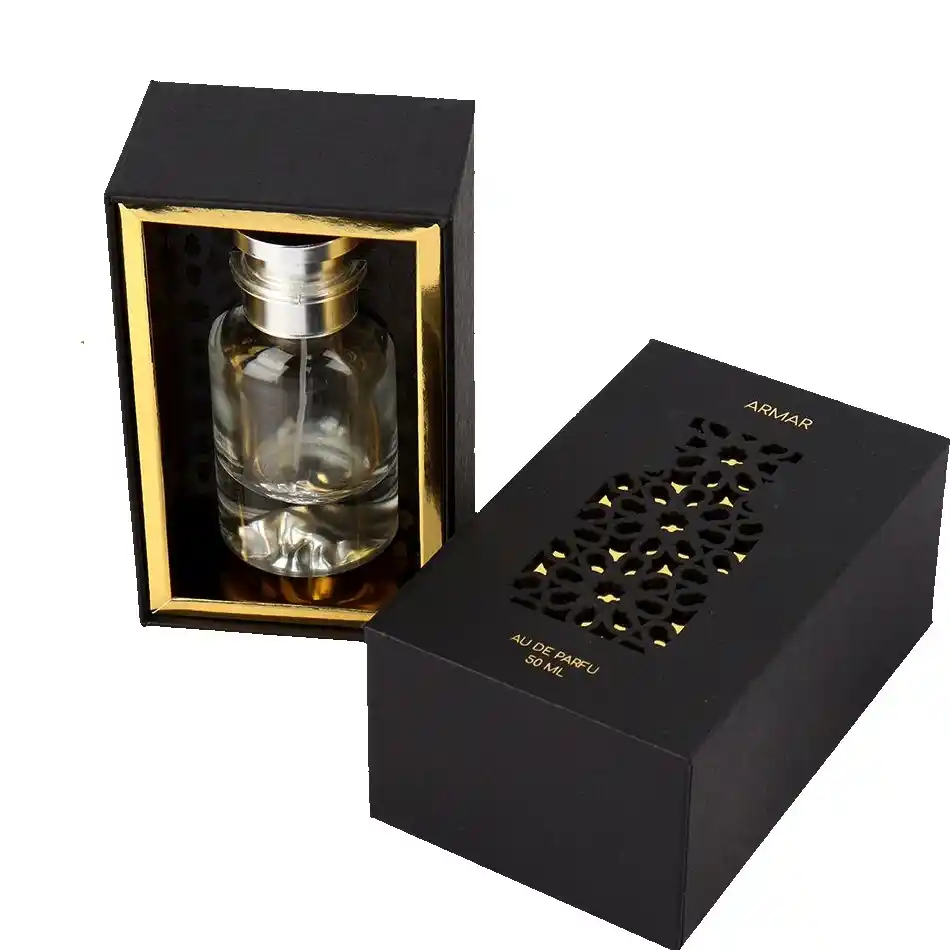
If you want the quickest “sustainability win” in perfume boxes, don’t start with the outside. Start with the insert.
Because the insert controls the stuff that quietly kills your brand:
Most luxury teams test three insert lanes:
If you want a quick overview, Zhibang’s insert guide is a good practical reference (no fluff, very factory-brain):
Choosing Inserts for Paper Gift Boxes: Foam vs. Greyboard vs. Molded Pulp
| Insert type | Protection (shock + vibration) | Fit accuracy | Premium look | Eco story | Best scenes |
|---|---|---|---|---|---|
| Foam inserts (EVA / PU / EPE) | Very high | High | Medium (wrap helps) | Medium-ish (location dependent) | Glass bottles, long shipping routes |
| Greyboard / chipboard tray | Medium | Medium–High | Very high | High (paper-based feel) | Retail gifting, sets, shelf presentation |
| Molded pulp tray | Medium–High (design-driven) | High | Medium (natural texture) | High (fiber-forward) | Eco-forward launches, shaped cradles |
A real-world trick: if you can’t ditch foam yet, don’t do a full foam block. Do foam only at contact points. In factory slang: “spot support” instead of “full fill.” It still locks the bottle, but it reduces the plastic vibe when the lid opens.
Luxury fragrance still loves rigid boxes for a reason. They don’t flex. They don’t feel like “mass.” They also protect the product better during handling.
So the sustainability experiment here isn’t “make it flimsy.” It’s usually:
If you’re building premium fragrance packaging, these formats are the core:
A common luxury spec looks like this:
It’s not “green theater.” It’s basic packaging physics plus brand feel.
Not every perfume SKU needs a rigid setup. A lot of luxury lines use folding cartons for mainline products, then save rigid boxes for gift sets, PR drops, and limited editions.
This is where sustainability gets real at scale because folding cartons let you:
If you want this route, start here:
Folding Cartons
Small tweaks, big impact. Also, cartons run fast. Ops people love that.
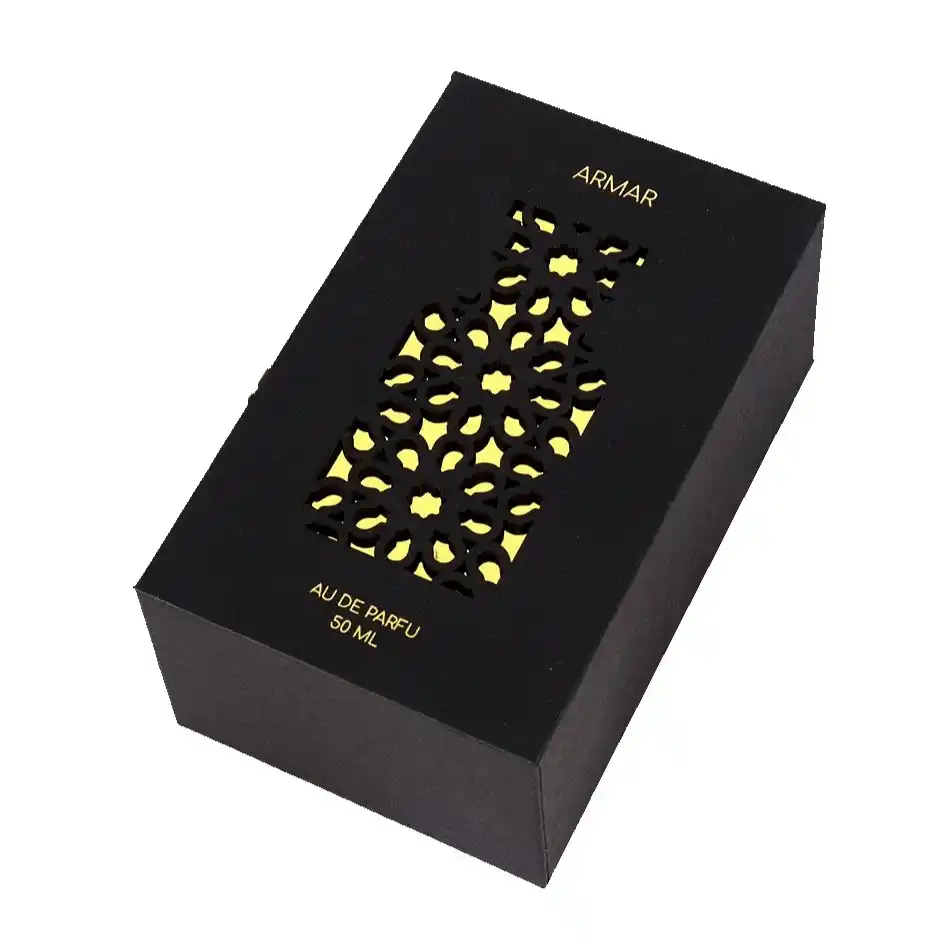
Refill is a hot topic, but let’s keep it honest: refill only works if people actually refill. If your customer buys once and never comes back, the refill system is basically a nice idea in a drawer.
So the experiment luxury brands run is often behavior design:
That’s why you see more:
It’s not always the “most minimal” packaging. But it can extend the life of the whole system.
If your brand wants that premium “keep it” direction without insane shipping cube, you’ll like:
Collapsible Gift Boxes
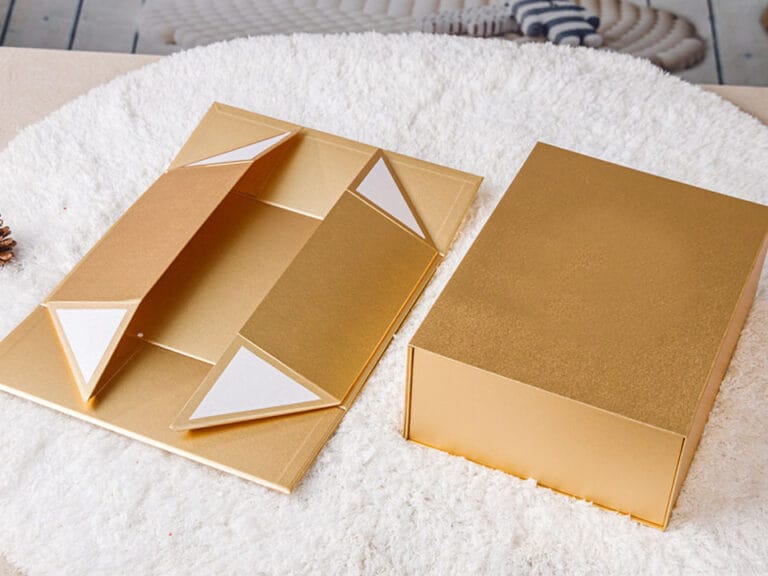
Collapsible rigid boxes are one of the cleanest sustainability experiments because they fix a boring problem: shipping air.
Rigid boxes ship like bricks. Collapsible boxes ship flat, then pop into shape near packing. That means:
Also it doesn’t force you to downgrade the unboxing. Customers still get the “premium click” when the magnet closes.
Again, the relevant format:
Collapsible Gift Boxes
A small warning: magnets and fold lines need testing. If you cheap out on structure, corners can get soft. You dont want that.
Here’s the argument a lot of sustainability posts miss: damage rate is a sustainability issue.
If your perfume arrives crushed, you ship again. That’s extra packaging, extra transport, extra customer support, extra returns. Waste multiplies.
So luxury brands often use a two-layer shipping system:
And if the shipper looks good, even better. It becomes part of the brand moment.
If you’re shipping DTC or doing influencer kits, look here:
Printed Corrugated Boxes
Some fragrance brands want an eco-forward look and they want it to feel intentional, not cheap. That’s where kraft textures and tube formats show up.
If your brand aesthetic fits:
Tubes also work for travel sprays and discovery sets. They feel giftable without being huge.
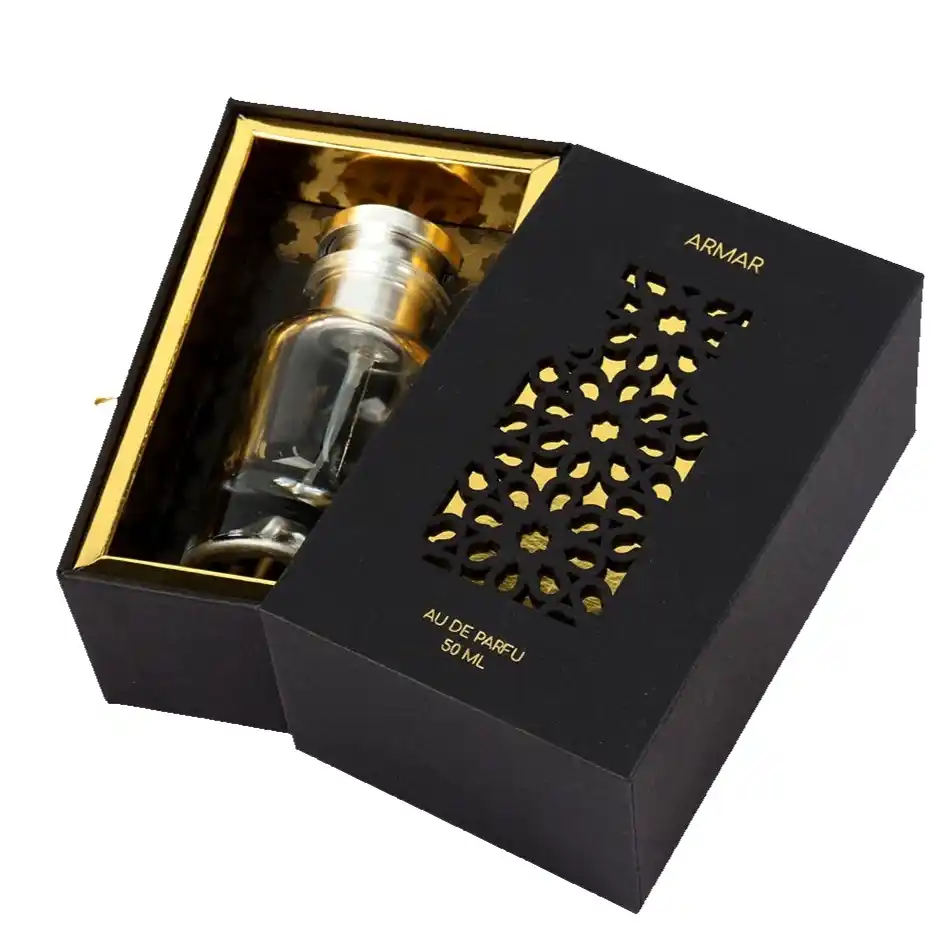
If you want these experiments to work, measure them like a factory, not like a mood board.
Here are the metrics packaging teams actually care about:
| Experiment keyword | What you measure | What can go wrong | What fixes it |
|---|---|---|---|
| Molded pulp tray | movement control + surface rub | texture marks, clearance too tight | add ribs, tweak clearance, smooth contact points |
| Foam reduction | damage rate + rattle | bottle wiggle, cap scratches | spot foam, paper wrap, stronger outer shipper |
| Greyboard tray | presentation + pack-out time | low shock absorption | pair with corrugated shipper, right-size box |
| Collapsible rigid | freight/storage efficiency | soft corners, magnet misalign | crease testing, board spec tuning |
| Printed corrugated shipper | crush + unboxing condition | ink scuff, corner crush | stronger flute, smarter coating, better layout |
This is the “boring” part, but it’s the part that saves you from reprints and angry reviews.
If you’re running sustainability experiments, you need a supplier who can prototype fast, control print, and hold structure tolerances across a real production run. Otherwise you’re just guessing.
Zhibang Packaging positions itself as a global custom paper packaging manufacturer: rigid gift boxes, folding cartons, shipping boxes, paper tubes, plus OEM/ODM support and ISO 9001 quality management. That mix matters because perfume packaging usually isn’t one box. It’s a system:
If you’re building a fragrance line and want to keep the packaging language consistent across SKUs and sales regions, Zhibang’s category range makes that easier.