Talk To Our Boss If You Didn't Find The Solution
Our boss, Alanna will ask our team to find out the solution very soon! You must be satisfied with our services!


Most quotes lie. I’ve sat through enough packaging calls to know the lie is rarely obvious; it hides inside padded dimensions, conservative over-spec’ing, freight blended into the unit price, and the charming little phrase “free shipping,” which in practice often means “we moved the cost somewhere you will not challenge.” Why keep pretending that is efficient?
The market does not forgive lazy quoting. According to the U.S. Census Bureau’s Q4 2024 e-commerce release, U.S. e-commerce hit $1.1926 trillion in 2024, up 8.1% year over year, and accounted for 16.1% of total retail sales; in Q4 alone, non-adjusted e-commerce sales reached $352.9 billion, or 17.9% of total retail. More boxes moved. More parcels got billed by size instead of hope. More brands learned that quoting custom packaging with static spreadsheets is a bad habit from a slower decade.
Free is a marketing word. In custom packaging, it usually means freight has been smeared across the unit price, minimum order quantity, tooling logic, or all three at once, which makes comparison harder for the buyer and margin protection easier for the seller. Is that a benefit to procurement, or just camouflage?
I’ll say the quiet part out loud: a Shipping Mailer Boxes Cost Calculator is not just a convenience widget. It is a way to force pricing transparency into a process that too often rewards vagueness. When you can test board grade, print coverage, dimensions, and quantity in one place, you stop buying a story and start buying a cost structure.
That matters more when freight gets unstable. In January 2024, Reuters’ reporting on Red Sea disruption showed Shanghai-Europe container rates rising to $3,103 per 20-foot container, while rates to the U.S. West Coast jumped 43.2% week on week to $3,974 per 40-foot container. When upstream freight moves like that, any packaging quote that sits untouched for days is already aging badly.
Three clicks. One answer. And suddenly the sales theater gets much smaller, because the buyer can see what happens when the box grows by half an inch, the order jumps from 1,000 to 5,000 units, or the board spec changes. Why would a serious brand prefer email ping-pong over that?
This is where amateurs lose money. UPS’s dimensional-weight guidance states that dimensional weight is calculated as L × W × H ÷ divisor, and the 2024 UPS rate guide shows 139 as the dimensional factor used in the relevant formula for domestic and international package calculations. In plain English, once your box gets bigger relative to its actual weight, the carrier starts billing for the space it occupies, not for the mass you think you shipped.
USPS is even less sentimental. USPS Notice 123 shows that parcels over 1 cubic foot (1,728 cubic inches) can be charged by actual or dimensional weight, whichever is greater; parcels longer than 22 inches but not more than 30 inches can trigger a $4.50 fee; longer than 30 inches can add $21.00; and parcels above 2 cubic feet (3,456 cubic inches) can add $35.00 in the applicable sections. That is not a rounding error. That is the difference between a smart quote and a sloppy one.
I know that sounds backwards. But live calculators reduce the time window in which freight assumptions, inventory plans, and packout decisions drift away from reality. A manual quote assembled from old templates is not “careful”; half the time it is just late.
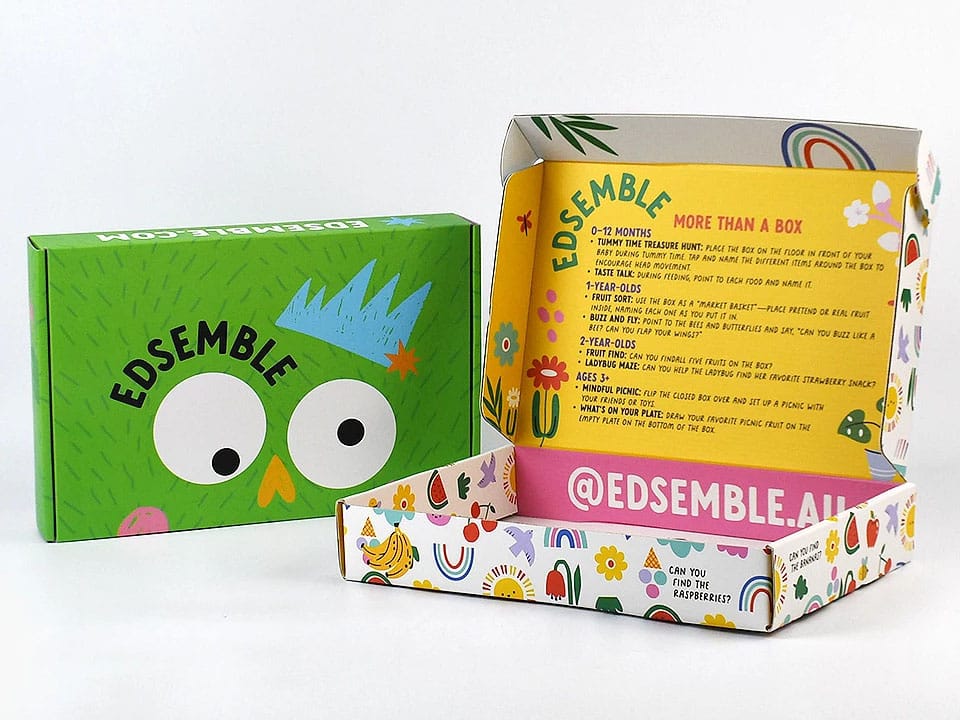
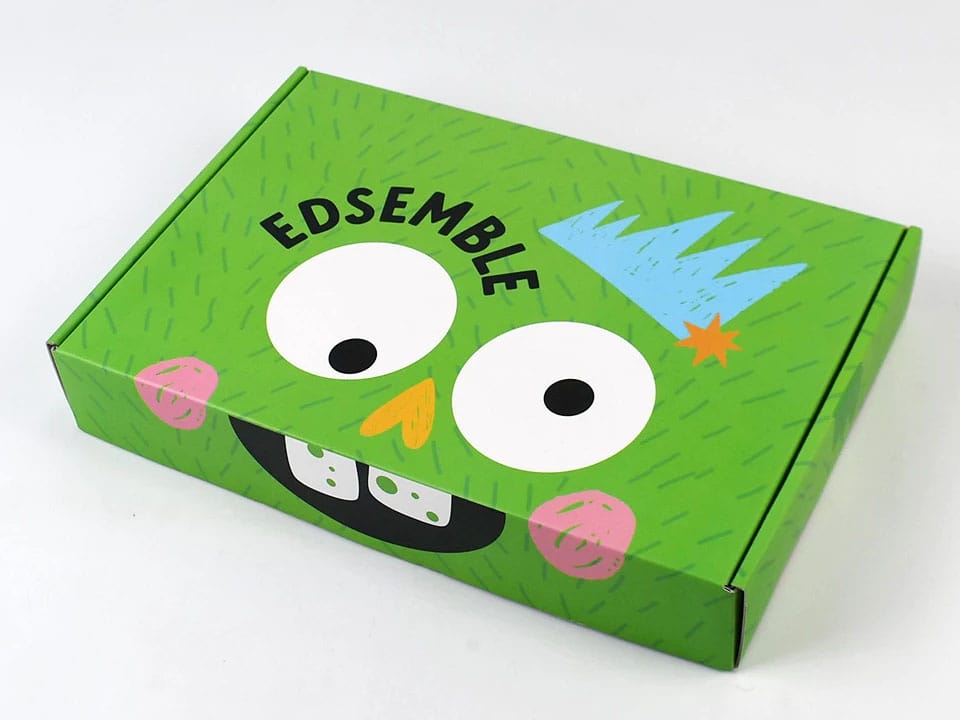
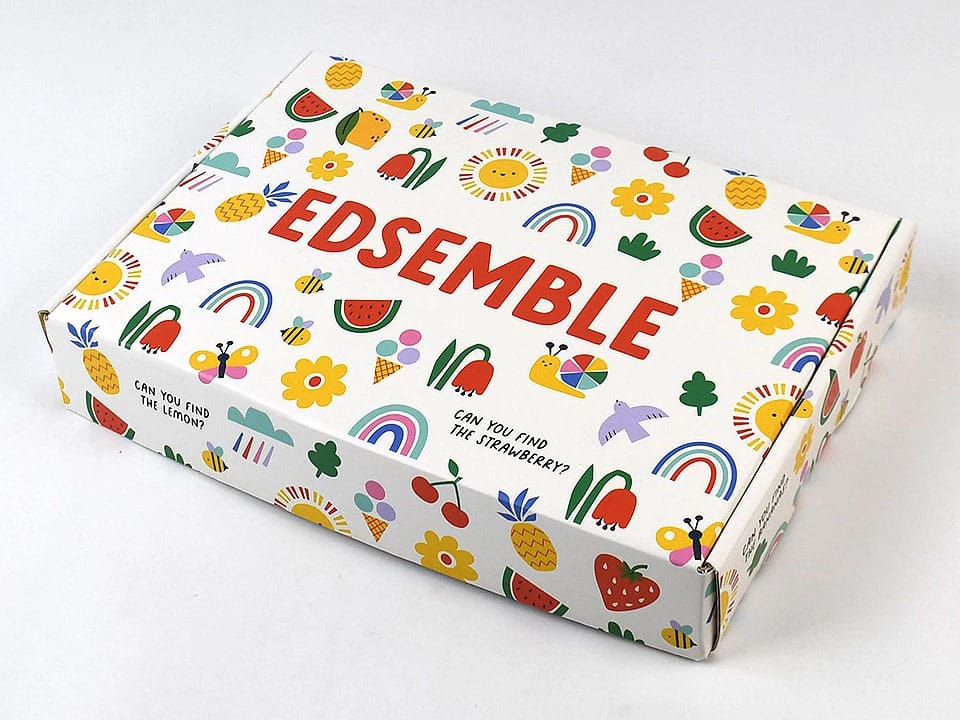
If you want a practical starting point, I would send buyers straight to a shipping mailer boxes cost calculator before I let them ask a rep for a bespoke number. Then I would make them compare that estimate against the structural options in shipping mailer boxes and the more rigid double-wall color printed corrugated mailer gift box or the cleaner-opening colorful printed corrugated tuck top mailing box. Structure changes cost. So does presentation. So does protection. The calculator exposes which variable is doing the damage.
Hard truth first. Most “instant quote” tools are half-built. They give you a number, but not the mechanism. That is not enough for procurement, ops, or finance.
A real custom packaging calculator should reflect the variables below, because these are the levers that actually bend cost in live parcel systems, not just in print-shop theory. The carrier side is documented; the commercial side is where experienced buyers press hardest.
| Cost Variable | What it changes | Why buyers miss it | Money consequence |
|---|---|---|---|
| Outer dimensions (L × W × H) | Billable weight and carton cube | Teams focus on product fit, not parcel billing | Bigger box, higher freight exposure |
| 1,728 cubic inches threshold | Potential dim-weight treatment in USPS sections | People assume “light” means “cheap” | Light but bulky shipments get punished |
| 22–30 inch length band | USPS surcharge exposure | Designers stretch presentation formats | Add-on fees appear late |
| Over 30 inches | Higher USPS add-on exposure | Marketing wants shelf drama, ops inherits the bill | Margin gets clipped fast |
| Over 3,456 cubic inches | Additional surcharge exposure in applicable USPS sections | Teams do not test worst-case packout | Quote looks fine until fulfillment starts |
| Board choice and structure | Material use, crush protection, damage risk | Procurement chases unit price only | Cheap board can raise total landed cost |
| Print coverage and finish | Ink, setup, production speed | Branding choices get separated from quote logic | “Premium look” arrives with premium cost |
| Order quantity | Unit economics and setup dilution | Buyers compare only single-unit cost | MOQ decisions distort comparisons |
The best packaging price calculators do one thing the average sales sheet refuses to do: they show interaction effects. A slightly larger box with heavier board and lower quantity does not raise cost in one neat line; it compounds. And once freight is blended into a “free shipping mailer boxes quote,” bad assumptions stop being visible.
Not a side issue. A cost issue. Because once regulators start telling the market what counts as recyclable, reusable, or simply excessive, oversized packaging stops being a branding preference and starts becoming a liability. Did the industry really think that would not happen?
In March 2024, Reuters reported on the EU’s packaging-waste deal that would require all packaging to be recyclable by 2030, cap empty space in packaged goods at 50%, and ban PFAS in food-contact packaging, while noting EU packaging waste had risen by more than 20% over the prior decade and averaged nearly 190 kilograms per person per year. That matters even if you sell outside Europe, because design norms, supplier capability, and retailer expectations do not stay local for long.
The U.S. is not frozen either. CalRecycle’s SB 54 overview says packaging makes up over 50% of what California dumps in landfills by volume, and the law sets an extended producer responsibility framework for packaging and single-use plastic food service ware across the economy. I would not wait for every state to copy California before tightening box specs and documenting material logic. That is how companies end up paying twice: once for bad packaging, then again for compliance cleanup.
Looks matter. So does crush strength. But I keep seeing teams treat mailer-box selection like a branding workshop when it is really a tradeoff between protection, parcel profile, and total delivered cost. Why let the prettiest sample win?
If the product is light, low-fragility, and headed into high-volume DTC fulfillment, standard shipping mailer boxes often do the job without the extra material burden. If the item is heavier, more gift-oriented, or more vulnerable to edge damage, the double-wall color printed corrugated mailer gift box becomes easier to justify. And if opening experience matters as much as protection, the colorful printed corrugated tuck top mailing box deserves a look. But I would never choose among them without first pressure-testing dimensions, shipping profile, and order quantity in the shipping mailer boxes cost calculator.
My bias is simple. I would rather approve a slightly uglier box with tighter dimensions than a beautiful oversized one that quietly pushes the shipment into a worse billing bracket. Finance usually agrees once the calculator makes the tradeoff visible.
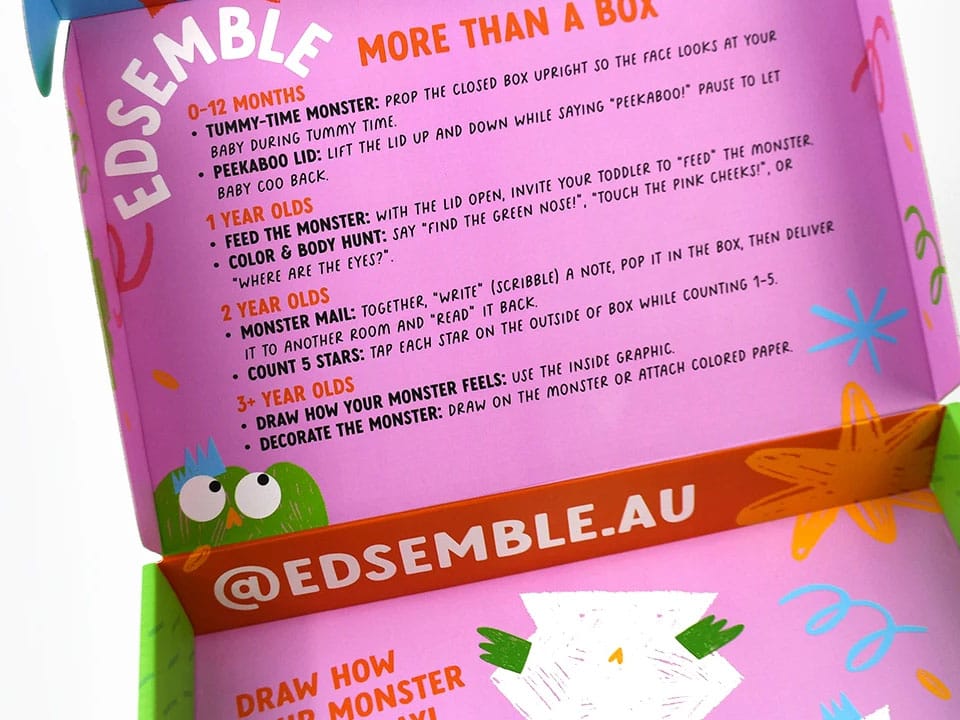
A shipping mailer boxes cost calculator is a quoting tool that estimates total custom-box cost by combining dimensions, material structure, print requirements, quantity, and shipping assumptions into a live pricing model, so a buyer can test packaging scenarios before waiting on a manual sales quote. It becomes especially useful when dimensional billing and surcharge thresholds can change the real delivered cost more than the board price itself.
A mailer boxes cost calculator is accurate when it uses current dimensional logic, real production inputs, and explicit freight assumptions, and inaccurate when it behaves like a static form that ignores carrier thresholds, board changes, or quantity effects that reshape unit economics. In practice, accuracy rises when the buyer enters final outer dimensions instead of optimistic product-fit measurements and compares multiple structures rather than requesting one “best price.”
Free shipping in custom packaging usually means the freight charge has been embedded elsewhere in the quote, such as the unit price, MOQ logic, or margin buffer, so it simplifies presentation but does not remove the underlying transportation cost from the transaction. I treat it as a packaging-sales phrase, not an accounting truth. When freight markets jump, buried shipping assumptions become even more dangerous because buyers stop seeing what changed.
The most important dimensions in a custom box quote are the final outer length, width, and height, because those numbers determine cubic volume, dimensional-weight exposure, and surcharge triggers that carriers apply once a parcel becomes too large for its actual weight. Buyers fixate on product fit, but carriers bill for space. That is why a half-inch added for “presentation” can become a cost event, not a cosmetic one.
Do this now. Run the box through a live calculator, then force three comparisons: current size versus a tighter size, standard mailer versus stronger structure, and “free shipping” versus explicitly separated freight. That exercise will tell you more in ten minutes than a week of polite supplier email.
Start with the shipping mailer boxes cost calculator. Then benchmark the result against shipping mailer boxes, the double-wall color printed corrugated mailer gift box, and the colorful printed corrugated tuck top mailing box. I would not sign off on a packaging PO until those scenarios are visible side by side. That is the faster way to quote custom packaging. More importantly, it is the cleaner way to avoid paying for bad assumptions.