Talk To Our Boss If You Didn't Find The Solution
Our boss, Alanna will ask our team to find out the solution very soon! You must be satisfied with our services!


Gowns and bridal wear are a different beast. You’re not just shipping “clothing.” You’re shipping crease-prone fabric, delicate trims, and a customer’s biggest emotional purchase. If your box buckles, the dress pays the price. If your opening experience feels messy, your brand looks messy too.
Here’s my take: structure beats decoration. Foil and emboss are nice, sure. But board thickness, flute choice, inserts, and closure design are what stop wrinkles, snags, and corner-crush. That’s where you win fewer complaints, fewer returns, and better reviews.
And yes—this is exactly the kind of work Zhibang Packaging is built for: custom paper packaging, rigid gift boxes, folding cartons, and shipping-ready mailers, with OEM/ODM support and ISO 9001 quality management for consistent production. If you’re building bridal packaging at scale, that stuff isn’t “nice to have.” It’s how you stay sane.
Start here if you want the product lineup: Zhibang Packaging.
Let’s talk real-world pain points (the stuff your customer won’t forgive):
So your box has to do three jobs at once: hold shape, control movement, and open safely. That’s the whole game.
If you need a quick reference for formats, check Custom Apparel Boxes and note what your use-case is: retail handoff, e-commerce delivery, or long-term keep.
Rigid boxes are the “don’t gamble” option for bridal. They hold geometry, stack well, and feel premium without trying too hard.
If you take only one thing from this article, take this: board thickness is not a vibe, it’s a safety feature.
Typical premium rigid builds often land in the 1.5–3.0 mm chipboard/greyboard zone. Your exact spec depends on box footprint and how heavy the gown is (heavy skirt + beads = more load). Wrap paper usually sits around 120–157 gsm for a clean finish and good fold behavior.
No, you don’t need to memorize numbers. You just need to stop approving flimsy structures that look fine on a screen and collapse in a courier bag.
Want rigid options that already fit bridal presentation? Browse Paper Gift Boxes and work backward from the closest structure.
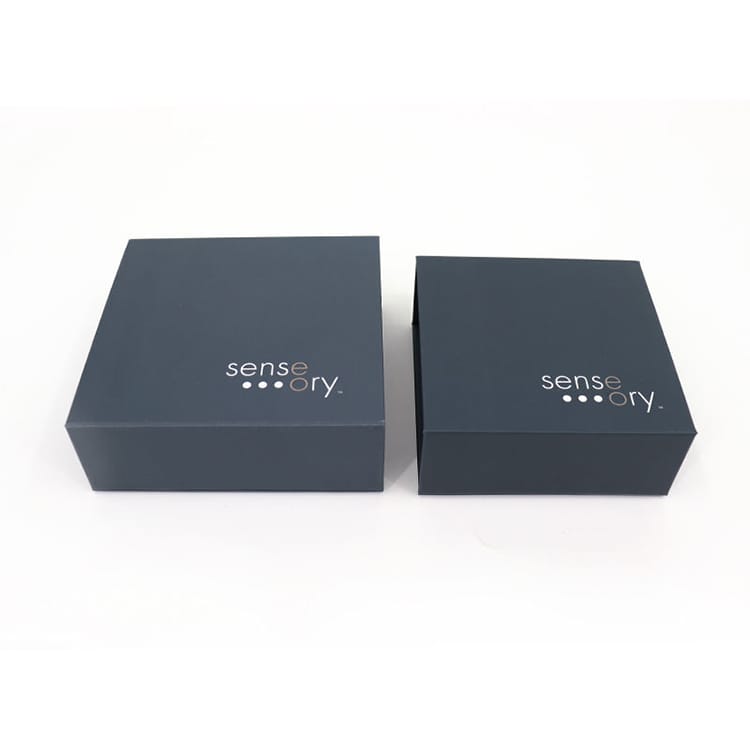
A lid and base (two-piece) box is the classic. It’s stable, fast to pack, and easy to QC because the geometry is simple.
Structural tips that actually help:
Industry slang: if you see “panel drag” during pack-out, your inner dimensions are too aggressive. Fix the dieline, don’t blame the packer.
Drawer (slide) boxes work when you want:
But drawer boxes also have a trap: tolerances. If the tray is too tight, customers yank it. If it’s too loose, it rattles. You want that smooth “glide,” not a sticky pull.
This format shines for bridal sets and retail gifting. If you do bundle items, drawer style keeps things from grinding against each other during transit.
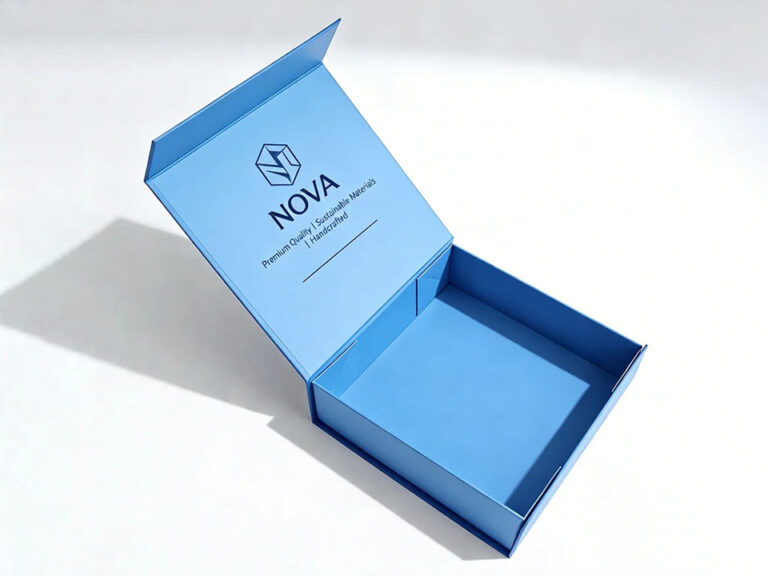
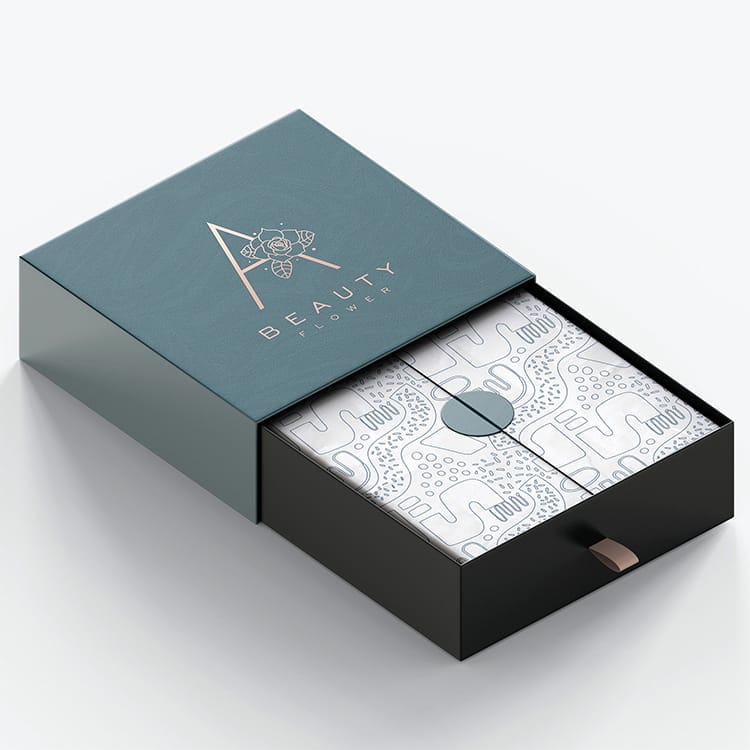
Magnetic closure boxes aren’t just “fancy.” They solve a basic problem: lids popping open.
Use magnets when:
Pro tip: magnets work best when your board is stable and your wrap is clean. If your glue line creeps, magnets shift and the flap sits crooked. That’s a small defect that makes the whole box look off.
If you’re exploring luxury closures as a brand signal, Zhibang’s premium box lines typically sit in the rigid family. Keep your build consistent across SKUs and you’ll look more “high-end” without spending energy on gimmicks.
Folding cartons can work for bridal—but only in the right scenario.
They’re great when:
They struggle when:
So don’t force folding cartons to do a rigid job. You’ll just get dented panels and angry emails.
For lighter bridal items, it makes sense to start at Folding Cartons and spec inserts to keep things from sliding.
If you ship bridal wear, you live in corrugated reality. Your beautiful rigid box still needs a strong outer shipper if it’s going through hubs and conveyor lines.
For many apparel shipments, E-flute corrugated is the sweet spot: decent crush resistance, better print surface, and not too bulky. Typical E-flute thickness often sits around 1.5–2.0 mm.
But don’t treat flute like a fashion choice. If the gown is heavy or the box is large, step up your structure: stronger flute, stronger ECT, or add reinforcement where it matters (edges, corners, long panels).
Look at Shipping Boxes if you need outer cartons built for long-distance logistics, not just Instagram.
Here’s the black-ops packaging truth: a lot of “damaged in transit” problems are really under-spec’d strength problems.
Common ECT grades you’ll hear in the industry: 23 / 32 / 44 ECT. Higher usually means stronger stacking and better resistance to abuse. Your manufacturer should match ECT to box size, weight, and ship method.
If your customer says “the corners arrived smashed,” that’s a classic corner crush + stacking combo. Fix: stronger board/flute, tighter fit, better pack-out, and a smarter outer shipper.
Tear strips are underrated for bridal. Why? Because customers shouldn’t need a blade near a dress.
A mailer with a tear strip opening lowers the chance of someone slicing through the inner pack or snagging fabric while fighting tape. It also feels modern and “thought through,” which matters in bridal.
If your brand ships direct-to-consumer, peek at Mailer Boxes and ask for a tear strip option in your spec sheet.
Returns are awkward in bridal (sizes, fit, timing). Don’t make it worse.
A dual-adhesive strip gives the customer a clean re-seal for return shipping. It reduces the “I taped it with random stuff” look, and it keeps the box usable for a second trip.
That’s not just convenience. It’s brand control.
Below is a practical cheat-sheet. These are common industry ranges (not laws), and your final spec should match your gown weight, box footprint, and ship method.
| Structural Element | Typical Spec Range | What It Solves | Best Use Scenario |
|---|---|---|---|
| Rigid chipboard thickness | ~1.5–3.0 mm | Stops panel buckling, keeps corners crisp | Bridal presentation, retail handoff |
| Wrap paper weight | ~120–157 gsm | Cleaner folds, better surface for finishing | Luxury gift-style boxes |
| E-flute corrugated thickness | ~1.5–2.0 mm | Print-friendly shipping strength | Light-to-midweight shipping |
| Common ECT grades | 23 / 32 / 44 | Better stacking + crush resistance | Outer shipper selection |
| Tear strip opening | Included feature | Safe unboxing, less damage risk | DTC mailers, gifting |
| Dual adhesive strip | Included feature | Clean returns loop | Size exchanges, returns |
If you want packaging that supports sustainability positioning without feeling “cheap,” fold eco choices into structure: kraft wraps, paper-based inserts, and smart sizing that reduces void fill. That’s where Eco-Friendly Packaging becomes a real business lever, not just a slogan.
Bridal wear doesn’t always get worn right away. Sometimes it sits. Sometimes it gets stored after the event. That means your box isn’t only for delivery—it becomes part of preservation.
Acid-free tissue helps reduce yellowing risk over time and prevents rough contact between layers. More important: it’s a cheap way to stop snags and friction shine on satin.
Pack-out move that works:
If your pack-out team is rushing, give them a simple rule: “no fabric on raw board, ever.” It saves you from stupid damage.
Paper packaging isn’t a vacuum chamber, so don’t promise miracles. But you can still design smarter:
If you ship internationally, humidity swings are real. Plan for it. Your box needs to stay square even when conditions aren’t perfect.
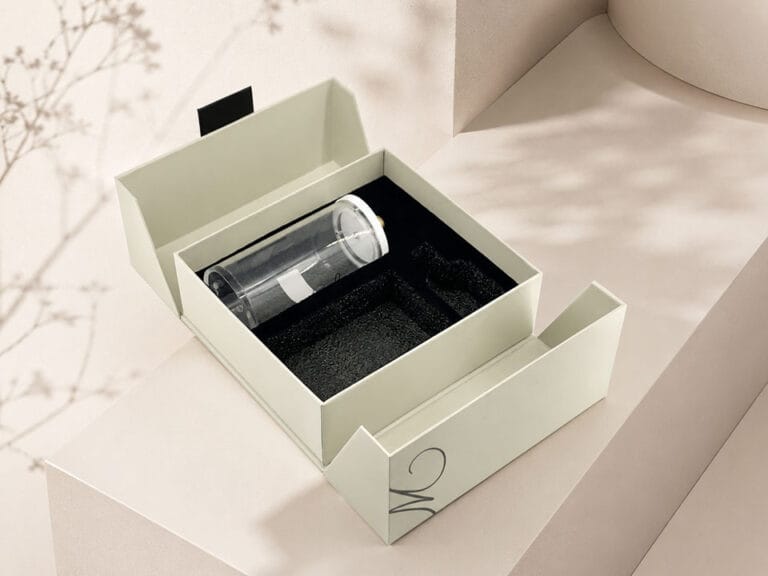
Inserts do two jobs: positioning and protection. For bridal, both matter.
Paper-based inserts are usually the cleanest fit with premium paper packaging. They also photograph better than messy foam.
Use inserts when:
Industry talk: this is about movement control. If the gown shifts, it creates friction, and friction creates damage. Simple as that.
A perfect concept dies fast if your dieline is sloppy.
For bridal packaging, the killer issues are:
That’s usually a dieline + tolerance problem, not a “bad luck” problem. Ask your supplier for samples, test pack-out, and fix it early.
When you scale bridal packaging, your biggest fear is inconsistency: one batch perfect, next batch weird.
This is where Zhibang’s ISO 9001 quality management matters. It supports repeatable production, controlled process checks, and stable output when you’re ordering at volume. And if you’re doing OEM/ODM, you want that discipline baked in.
If you sell across regions, packaging has to behave across regions too. Sizes, handling styles, and storage conditions vary. Zhibang Packaging supports OEM/ODM and global delivery, which helps when you’re coordinating launches in multiple markets without rebuilding your packaging system every time.
If you’re ready to brief a project, don’t start with “make it luxury.” Start with specs:
Then pick the closest base format and customize from there. Start your browsing from Custom Apparel Boxes, then move to rigid or shipping depending on your route.
Bridal customers notice everything. If the box arrives crushed, the moment is gone. If the unboxing needs scissors and panic, you look unprepared. If the gown comes out wrinkled, you’ve basically gifted your customer extra stress.
So spec structure like you mean it:
Then layer design on top, not the other way around.
If you want one partner that can handle rigid gift boxes, folding cartons, and ship-ready mailers under one roof, that’s the practical angle with Zhibang Packaging. You get the packaging range, OEM/ODM flexibility, and the kind of process control that keeps your brand consistent at scale.
You can start with these sections and work outward: