Talk To Our Boss If You Didn't Find The Solution
Our boss, Alanna will ask our team to find out the solution very soon! You must be satisfied with our services!


If you sell consumer electronics, your box isn’t “just a box.” It’s a mini shipping system, a retail display tool, and a quality signal. Pick the wrong structure and you’ll feel it fast: scuffed corners, rattling parts, slower pack-out, and that one painful thing every brand hates—returns.
Here’s my take (and yeah, I’m taking a side): structure comes first, graphics come second. When the structure fits your product and your shipping channel, everything else gets easier.
Along the way, I’ll naturally reference Zhibang Packaging—a global custom paper packaging manufacturer with ISO 9001:2015 processes and FSC certification, plus in-house engineering and scalable production for bulk/OEM/ODM programs.
(And no, you don’t need to overcomplicate it. You just need to spec it right.)
Electronics don’t fail like a shampoo bottle. They fail quietly. A tiny crack in a housing, a dented corner, a scratched lens cover, or a connector that wiggles loose in transit can turn into a support ticket later.
That’s why your structure has to handle three real-world hits:
Zhibang’s own electronics packaging content calls out engineered foam, trays, and security seals because protection is the base layer of the whole experience.
Keywords: lid-and-base box, two-piece rigid box, lift-off lid rigid box, setup box
This is the classic “lift the lid” rigid structure. It looks clean, stacks well, and it’s easy to spec for consistent mass production.
Zhibang’s Matte White Lid And Base Gift Box For Electronic Packaging lists a typical rigid build using 1200 GSM rigid paper with 157 GSM gold cardboard, plus CMYK printing, hot foil stamping, and matte lamination.
That combo shows why this structure stays popular: it’s sturdy, looks sharp, and it scales.
Small warning: lid friction matters. If the lid is too tight, customers feel like they’re prying a paint can. If it’s too loose, it looks cheap. Your dieline and tolerence stack have to match the insert thickness. (Yep, this is where samples save your life.)
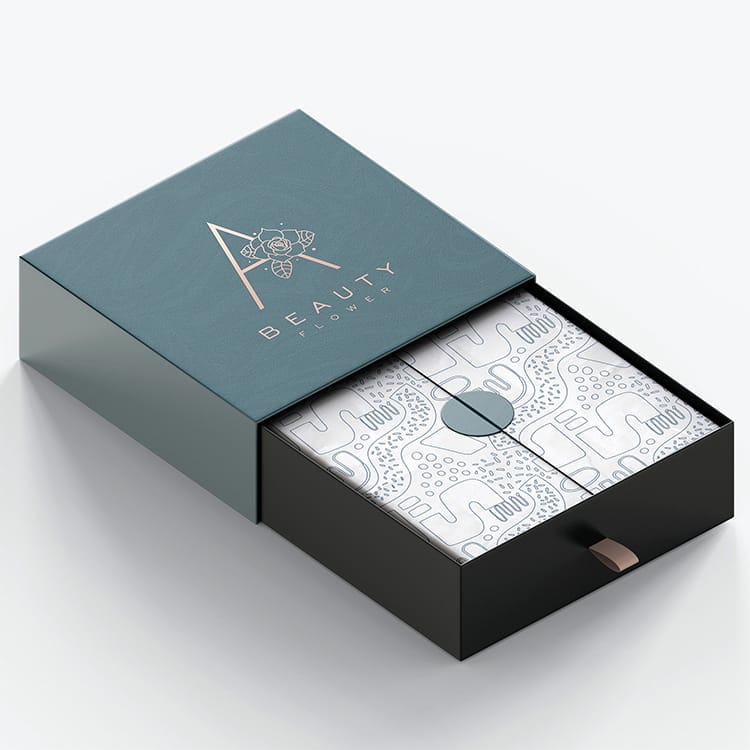
Keywords: drawer box, sliding rigid box, sleeve-and-tray box, matchbox style packaging
Drawer boxes feel premium because they force a slow reveal. That’s good for unboxing videos, high-end kits, and anything with multiple parts you want to organize.
Drawer boxes can slow packing if you don’t design them for the line. If your team has to fight drawer friction all day, they’ll hate it. So you tune:
Zhibang’s Paper Drawer Box For Electronics Packaging With EVA Foam describes a rigid drawer using 1200 GSM board, wrapped with 157 GSM art paper, plus matte lamination, CMYK, hot foil, and a precision-cut EVA foam holder.
That EVA insert callout matters. It’s not decoration. It’s how you kill rattle, scuffs, and cable rub.
Drawer box pro tip: put accessories in their own cavity. Don’t let a charging brick “float” near the device. That brick will win every time.
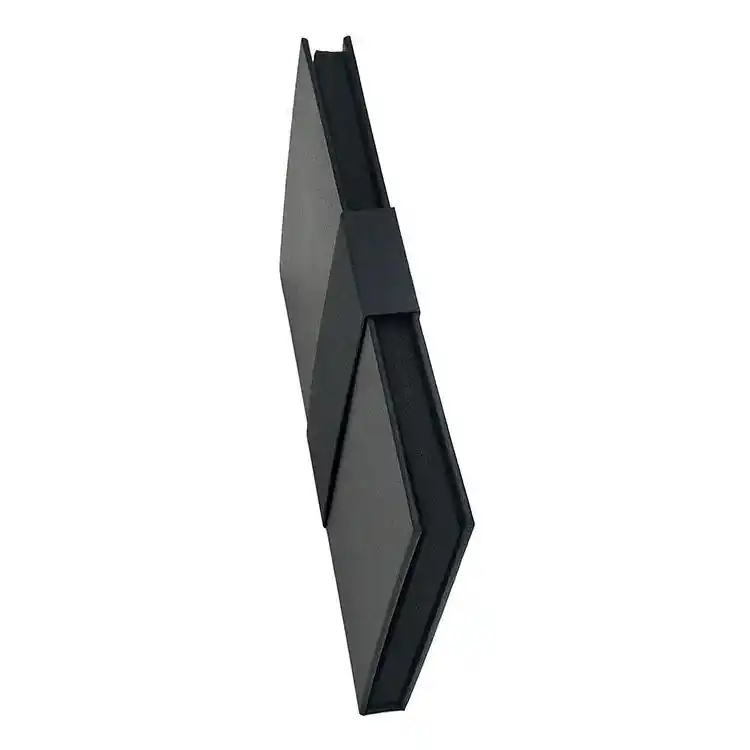
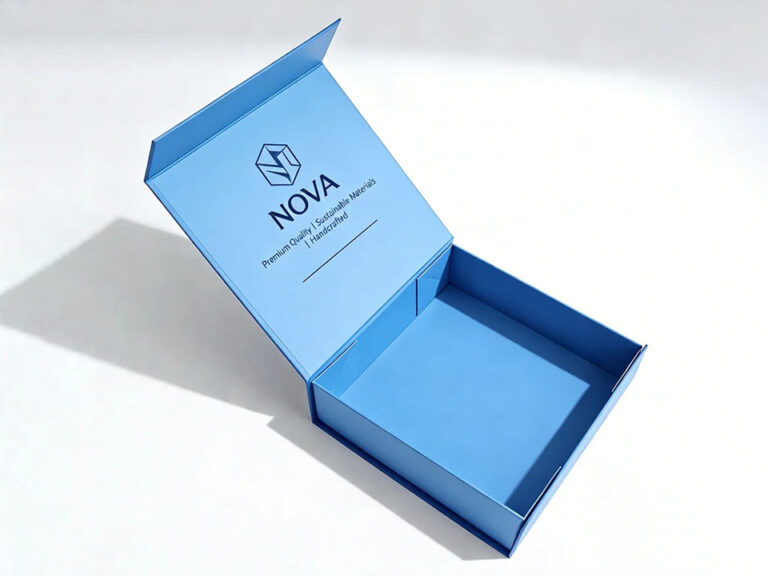
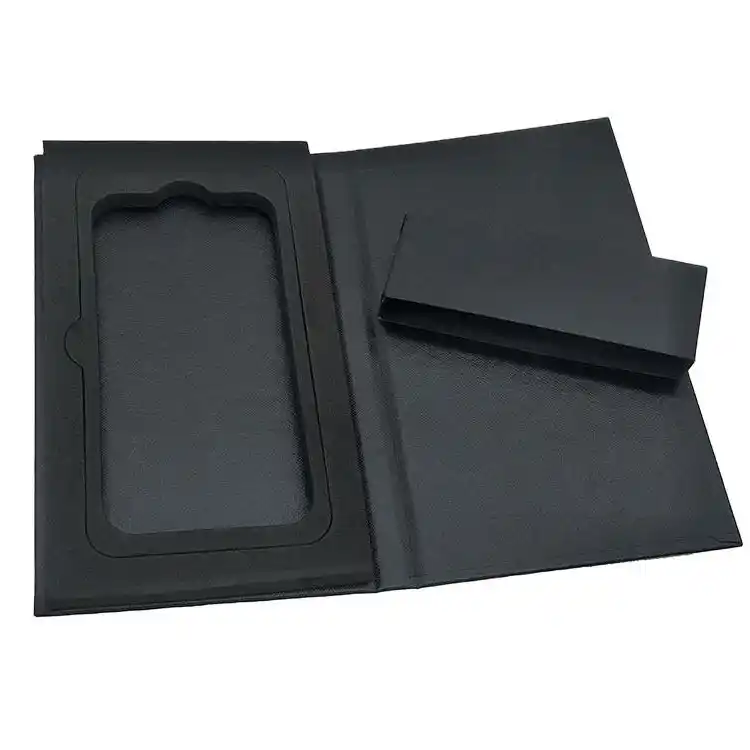
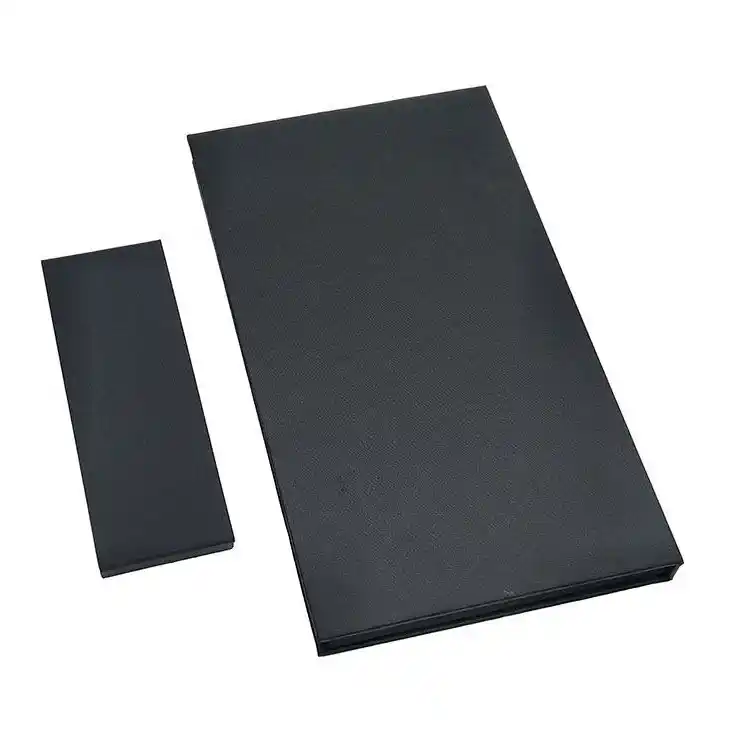
Keywords: flip-top box, hinged lid rigid box, magnetic closure box, magnetic flap box
Flip-top rigid boxes shine when you want a repeat open/close experience. People keep these boxes on desks, which is basically free brand exposure sitting in plain sight.
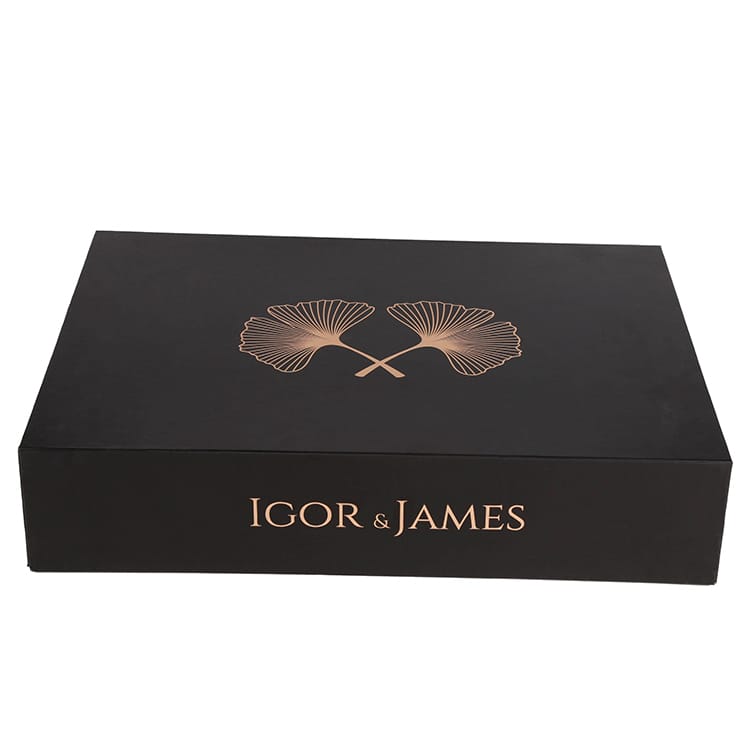
Zhibang’s Matte Black Textured Magnetic Gift Box With Foam Insert lists 1200 GSM rigid paper with 157 GSM fancy paper, plus matte lamination, CMYK printing, hot foil stamping, and a foam insert for electronics.
That’s basically the flip-top playbook: solid board, clean finish, and an insert that locks parts in place.
And yeah, matte looks amazing. It also shows scuffs if you cheap out on anti-scratch. So pick finishes like you actually ship products, not like you only take studio photos.
Most damage happens inside the box. The outer shell can survive, while the product bounces around like a pinball. Inserts stop that.
Here’s a simple comparison you can hand to your sourcing team:
| Insert type | Best for | What it solves | Watch-outs |
|---|---|---|---|
| EVA foam insert | premium devices, exact fit | no rattle, no scratches, clean reveal | needs tight tolerances; can feel less “eco” |
| EPE/PU foam | shipping-heavy routes | shock absorb, lightweight | looks less premium unless hidden |
| Molded pulp tray | eco-forward launches | shape fit + plastic-free feel | surface can scuff glossy items if not designed right |
| Paperboard insert | accessories + manuals | organized compartments, easy print | less shock absorb unless layered |
| Hybrid tray (paper + foam spots) | mixed kits | balance protection + sustainability | more design time, but worth it |
Zhibang’s electronics protection content also calls out foam options and the idea of pairing protection with presentation, especially for retail-ready builds.
Keywords: corrugated mailer box, printed corrugated boxes, shipping box, last-mile delivery packaging
Here’s the truth: a rigid gift box is not a shipping box. It’s an inner box. If you ship DTC, you usually want a two-layer system:
That’s why Zhibang positions corrugated as the “workhorse” side of packaging, built for last-mile durability while still looking branded. If you want to browse that product lane: Printed Corrugated Boxes.
For the electronics side, you can start here:
A good pack-out design also keeps your line moving. Faster folding, fewer tape steps, fewer “where does this part go?” moments. One extra step times a few thousand units becomes a real bottleneck. (Ops teams don’t complain loud, they just suffer silently.)
Use this table like a quick picker. It’s not magic. It’s just practical.
| Box structure | Best channel fit | Pack-out speed | “Unboxing feel” | Insert flexibility | Common pain point |
|---|---|---|---|---|---|
| Lid-and-Base rigid box | retail + premium inner box | fast | clean, classic | high | lid too tight/loose if tolerances drift |
| Drawer box (sliding) | gifting + creator unboxing | medium | slow reveal, premium | very high | drawer friction and scuff risk |
| Flip-top rigid box | premium gifting + reuse | medium | “click close”, keepable | high | hinge/magnet alignment over time |
If you’re unsure, start with lid-and-base. It’s the safest spec path for most electronics programs. Then upgrade to drawer or flip-top when your kit complexity or brand moment really demands it.
If you’re building packaging for global distribution, you don’t just need a nice box. You need a supplier who can keep specs stable across batches.
Zhibang Packaging positions itself as a one-stop custom paper packaging partner, with ISO 9001:2015 processes and in-house engineering support.
You can browse their main lineup here: Products and the rigid-gift family here: Paper Gift Boxes.
If your project needs something outside the three main structures (like tubes for accessories), that’s part of the same product ecosystem too: Paper Tube Packaging.
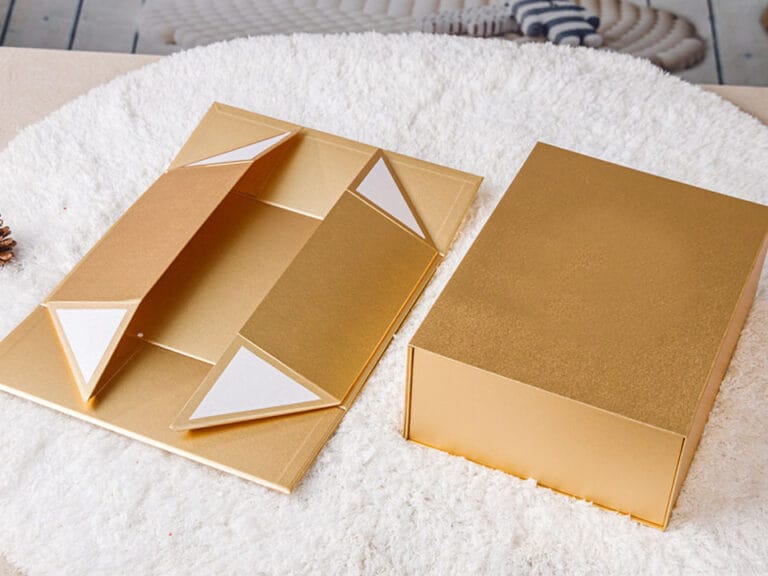
Also, if you care about storage and freight volume, flat-pack rigid formats can help. Zhibang explains collapsible rigid structures here: Collapsible Gift Boxes and a related overview post here: Stock-Size Collapsible Gift Boxes.