Talk To Our Boss If You Didn't Find The Solution
Our boss, Alanna will ask our team to find out the solution very soon! You must be satisfied with our services!


You’ve got a box idea. You’ve got a deadline. And you’ve got that one scary moment where you think: “If this comes out wrong, we’re stuck with a warehouse of expensive regret.”
That’s why sampling exists. Not because factories love extra steps. Because packaging is a physical system: paper grain, glue lines, die-cut tolerances, inks, coatings, shipping abuse, and human hands on an assembly line. If you only approve a 3D render, you’re basically approving vibes.
Here’s my take: pick the smallest sample that answers your next expensive question. Start with structure risk (white sample), move to artwork placement risk (digital proof), and only then pay for “reality mode” (full printed prototype).
And yes, if you’re trying to move fast, this strategy actually helps you move faster. Zhibang’s own sampling ladder frames it the same way: digital proof for dieline/alignment, and a pre-production sample before bulk to avoid “sample perfect, bulk nah” moments.
Sampling isn’t “one thing.” It’s a ladder. Zhibang literally calls out three practical levels—stock sample, digital proof, and custom pre-production sample—so buyers can match effort to risk.
Also, if you’re building a full packaging stack (inner + retail + shipper), the sampling plan matters even more. Zhibang’s perfume launch timeline spells it out: dieline lock → prepress → white sample → printed sample, then production with QC gates.
Quick links to the packaging families we’ll reference:
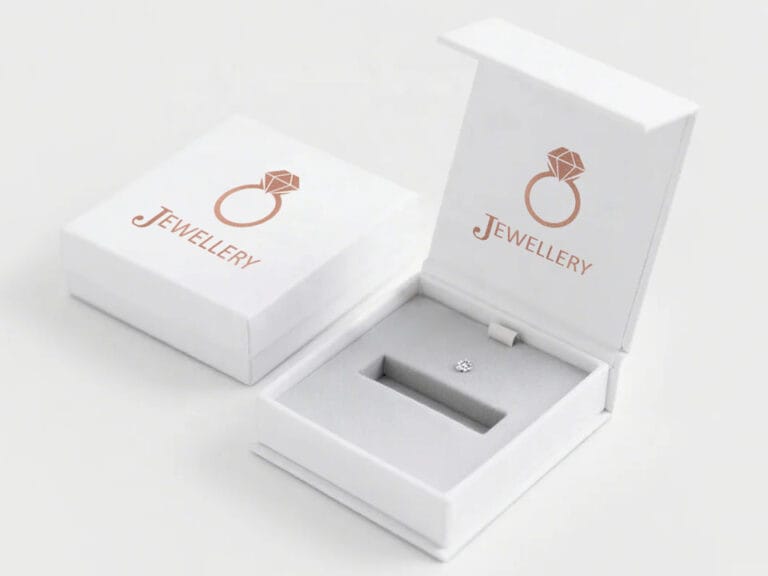
A white sample is a structural dummy. No printing. Usually plain board. You’re testing the “mechanics”:
Here are the failures that show up all the time:
This is why Zhibang’s candle workflow calls out: approve white sample first, then printed sample.
Use a white sample when structure is your biggest risk, like:
If you’re early-stage, white sample can be enough to lock size and function. Then you can polish artwork without breaking the whole system.
A digital proof is your fastest way to stop prepress disasters before plates. Zhibang describes it plainly: it confirms artwork placement and dieline alignment before printing plates.
This is where you catch:
Digital proof is great for layout truth. It’s not great for:
So don’t treat it like color approval. Treat it like geometry approval.
This is the one that hurts a little (time + effort), but it saves your launch when the job is complex.
Zhibang’s wording is direct: a custom pre-production sample shows fit, color, finish, assembly reality before bulk.
Go for a full printed prototype when:
Zhibang’s holiday/seasonal packaging timeline even calls out what breaks in sampling: proofing + finish testing, foil/spot UV expectations.
You’re launching a rigid gift box with a big foil area and a soft-touch lamination. On screen, it looks clean. In reality, two things can happen:
A printed prototype lets you see those issues before you scale. Otherwise you’re approving something you’ve never actually held. Kinda risky, right?
Here’s a practical matrix you can use with your supplier (or your own team).
| Sample Type | Confirms | Best For | Common Failure It Catches | “Go / No-go” Question | Source |
|---|---|---|---|---|---|
| White Sample (Structural Sample) | size, fit, insert logic, closure, assembly | new structures, tight-fit packaging, inserts | lid too tight, insert rub, tabs pop, glue flap issues | “Does the box function with real product?” | Zhibang project flows mention white sample before printed sample |
| Digital Proof (E-proof) | dieline alignment, artwork placement | fast prepress checks | cut-off logos, wrong safe zone, QR/barcode errors | “Is artwork landing where it should?” | Zhibang sampling table: digital proof before printing plates |
| Full Printed Prototype (Pre-production Sample) | color + finish on real material, full assembly reality | premium finishes, brand color, complex packs | foil/UV mismatch, lamination color shift, assembly pain | “Will bulk match what we approved?” | Zhibang sampling table: pre-production sample before bulk |
If you want fewer surprises, lock these early (even if your design is still “almost final”):
Different box families break in different ways. So your sampling plan should match the structure.
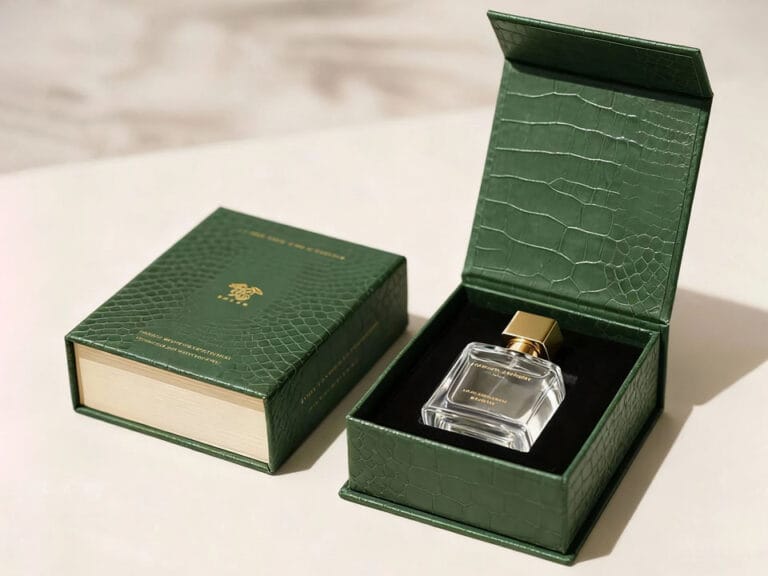
Use cases: cosmetics sets, jewelry, premium gifting, influencer kits.
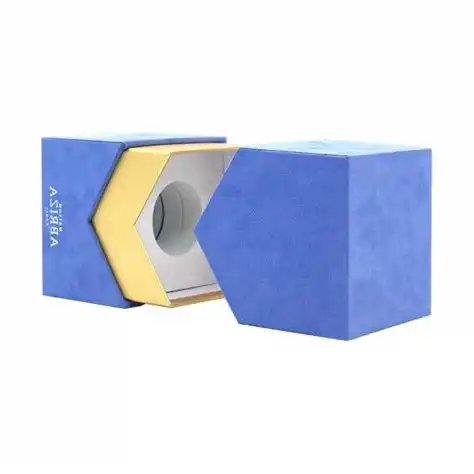
Use cases: food, cosmetics, electronics sleeves, retail shelf cartons.
Use cases: DTC shipping, subscription, e-commerce.
Zhibang’s shipping + durability content is blunt: distribution stress (drops + vibration) is real, and packaging moves like tighter pack-out and corner reinforcement matter.
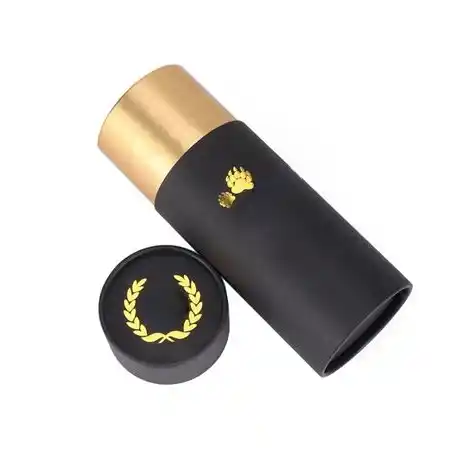
Use cases: candles, teas, cosmetics, supplements, premium round packs.
If you want speed, you don’t skip steps. You remove rework.
A clean workflow looks like this (mirrors Zhibang’s timeline logic):
If you’re sourcing globally, coordination is usually the pain point. Structure from one vendor, printing from another, inserts from a third… and suddenly you’re project manager of a mess.
Zhibang positions itself as an integrated paper packaging manufacturer—design support through production—running ISO 9001:2015 processes. They also call out real capacity signals like a 17,000㎡ facility, 120+ machines, and an engineering team, which matters when you’re scaling beyond “small batch”.
If you’re building a packaging system across categories (rigid + folding carton + shipper), having one factory that can handle it under one QC method tends to reduce surprises. Less finger-pointing. More “here’s the fix”.
Below are on-site articles that cover sampling/proofing ideas, plus what you can steal (in a good way) for your own content style.
| Article Title | Main Argument | Useful “Data” Element | Writing Approach | Tone Cues to Mimic |
|---|---|---|---|---|
| Meet the Zhibang Perfume Packaging Team: From Structural Engineering to Sampling | Sampling is a ladder (digital proof + pre-production sample prevent bulk mismatch) | “Sampling Types Table” | Simple steps, then punchy warning lines | Conversational, slightly blunt (“It’s boring. It saves you.”) |
| Planning Core and Seasonal Edition Packaging for Perfume Gift Box Lines | Lock the platform (dieline/insert) and change what shoppers notice | Stage table: planning → dieline → prepress → sampling | Timeline framing, “what breaks” column | Practical, launch-focused, a bit bossy (in a good way) |
| Step-by-Step Guide to Designing Custom Candle Boxes | Structure + ops reality matters as much as design | Flow steps include white sample + printed sample | Process list, then “why ops cares” | Friendly and direct, uses ops language (“SKU creep”) |
| Our Consumer Electronics Boxes Meet Key Drop and Vibration Test Standards | “Pretty printing” isn’t enough; validate packaging vs shipping hazards | Standards map table (drop/vibration) | Strong argument + table backup | Straight talk, real-world imagery (conveyors slam, trucks hum) |