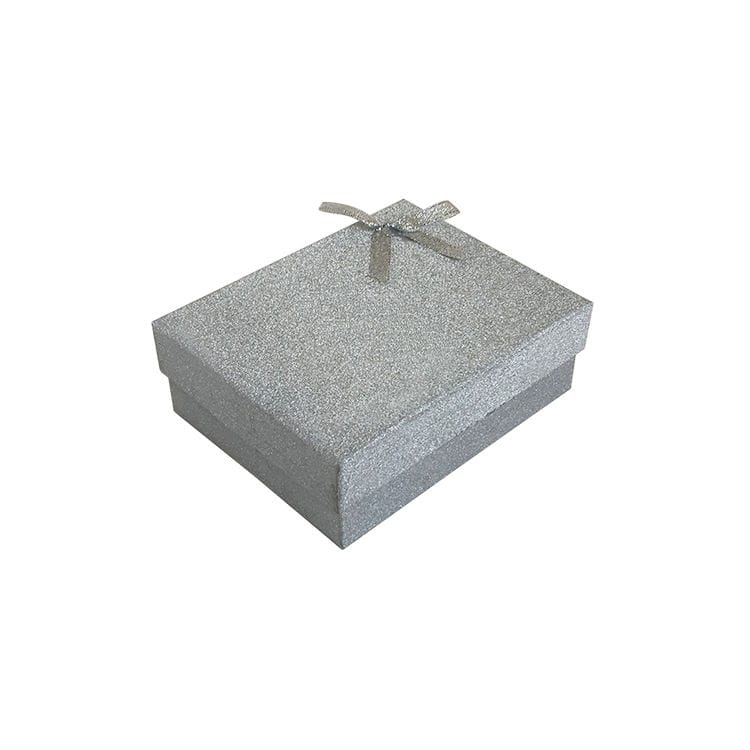
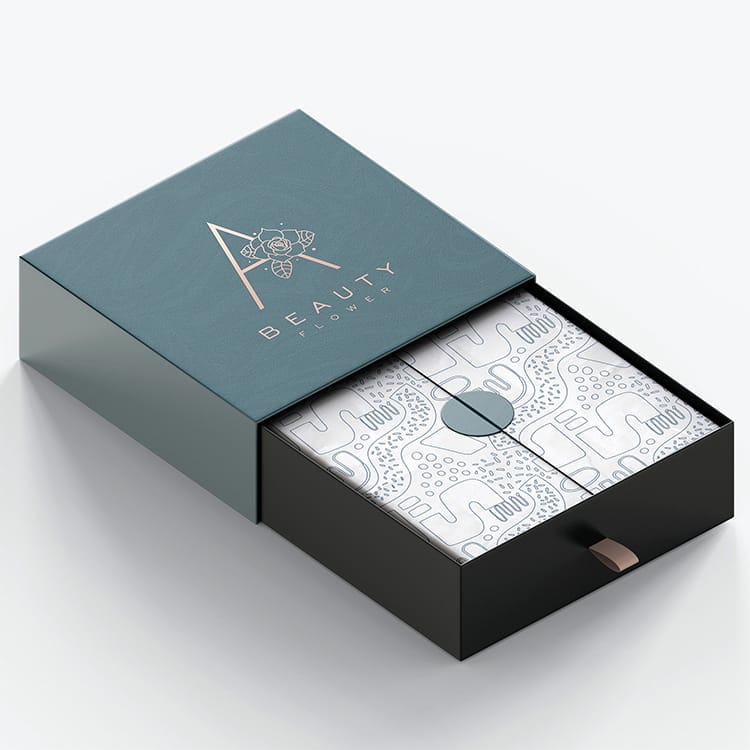
Talk To Our Boss If You Didn't Find The Solution
Our boss, Alanna will ask our team to find out the solution very soon! You must be satisfied with our services!


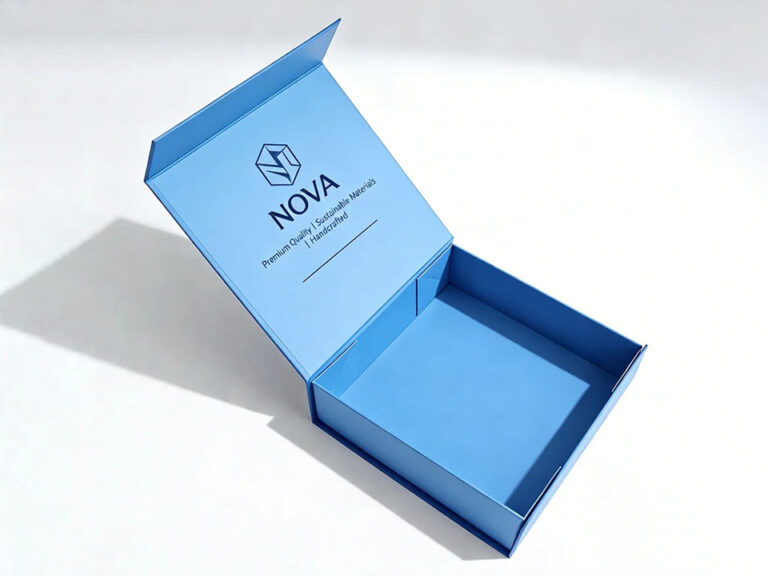
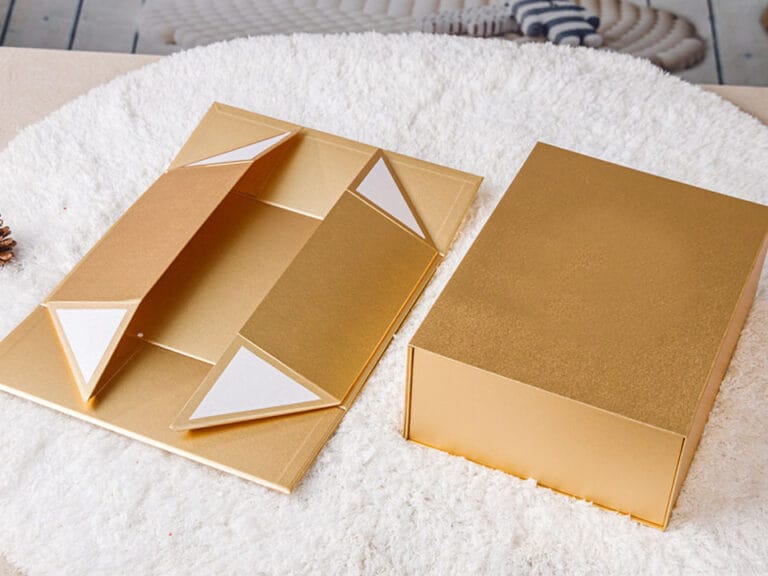
If you sell premium products, you’ve probably lived this headache: rigid gift boxes look expensive (in a good way), but they’re a pain to store and ship. Folding cartons ship easy, but sometimes they don’t feel “gift-worthy.” That’s why collapsible gift boxes are such a practical middle lane. They ship flat to save space, then your team folds them up into a rigid-style box that still feels upscale.
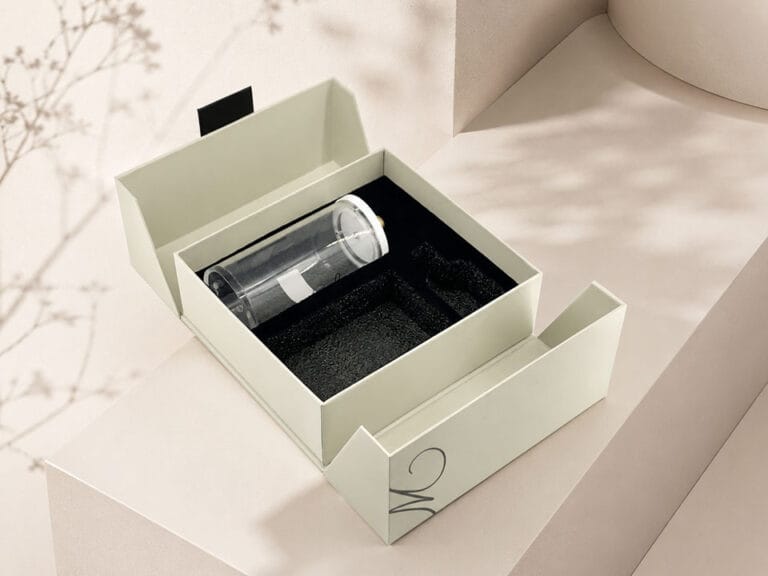
Now here’s the real argument: a collapsible gift box alone isn’t the full solution. The insert is what turns a nice box into a scalable packaging system. Inserts stop rattle, reduce corner crush drama, and make the unboxing sequence look clean instead of chaotic. When you design the box and the insert together, you fix both brand and ops problems in one shot.
And yes, I’m gonna bring in Zhibang Packaging naturally, because this “system thinking” is exactly what they do: wholesale custom paper packaging, OEM/ODM support, ISO 9001 management, and the ability to handle multi-SKU programs for global markets. If you’re building a packaging lineup, start here: Zhibang Packaging.
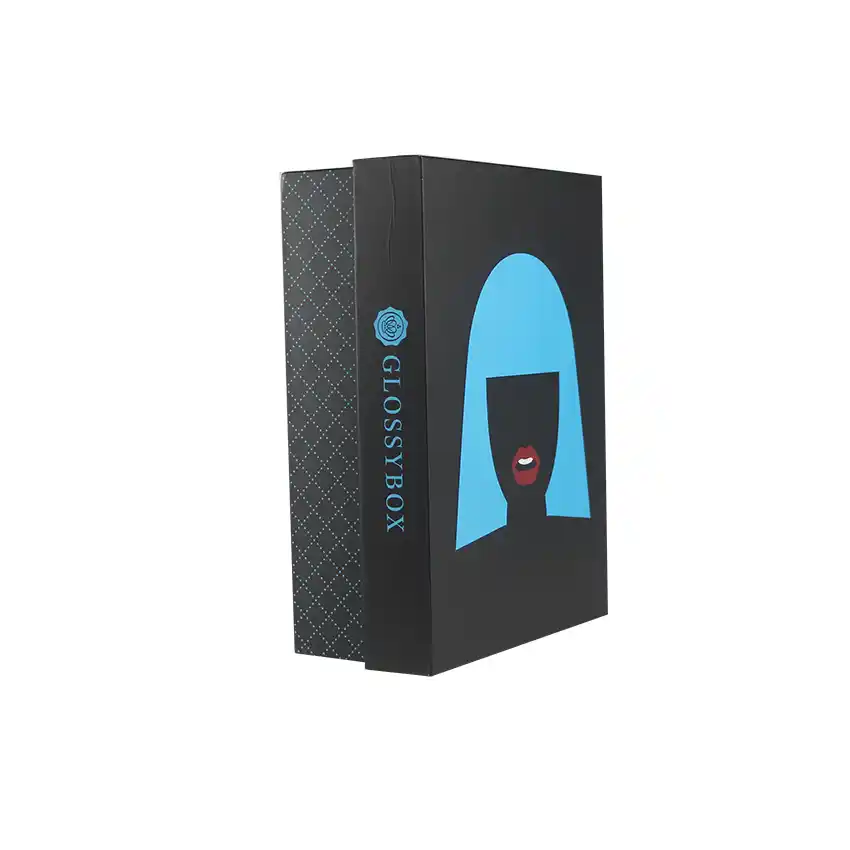
Collapsible boxes work because they solve two fights at once:
In ops language, you’re trying to protect freight cube, keep pack-out speed, and reduce damage rate without making the customer experience boring. Collapsible designs do that better than most formats, especially for gifting sets and premium kits.
If you’re exploring formats, these two categories matter a lot:
One more thing: collapsible doesn’t mean flimsy. A well-built collapsible rigid box holds its shape, closes flat, and doesn’t “banana bend” after assembly. That comes down to structure, board choice, and how the insert supports the load inside.
An insert isn’t decoration. It’s a control tool.
Your insert controls:
If you ship a set, inserts also reduce kitting mistakes. That’s huge. When the cavities are obvious, your packers don’t have to think too hard, so the line moves faster and error rate drops.
Here’s a simple way to choose (not perfect, but it works 80% of the time):
A lot of brands do hybrid too: paperboard frame + small foam pads in “danger zones.” It’s not fancy, it’s just smart.
You can design the best collapsible gift box on earth, and still get complaints if your shipping plan is messy. Don’t treat the gift box as the shipper. Treat it as the presentation box.
For most DTC (direct-to-consumer) and cross-border shipments, the safe play looks like this:
Zhibang covers the outer box side too, which makes sourcing easier:
In fulfillment speak, you’re building a “two-layer defense.” The outer box takes the abuse. The inner gift box stays pretty.
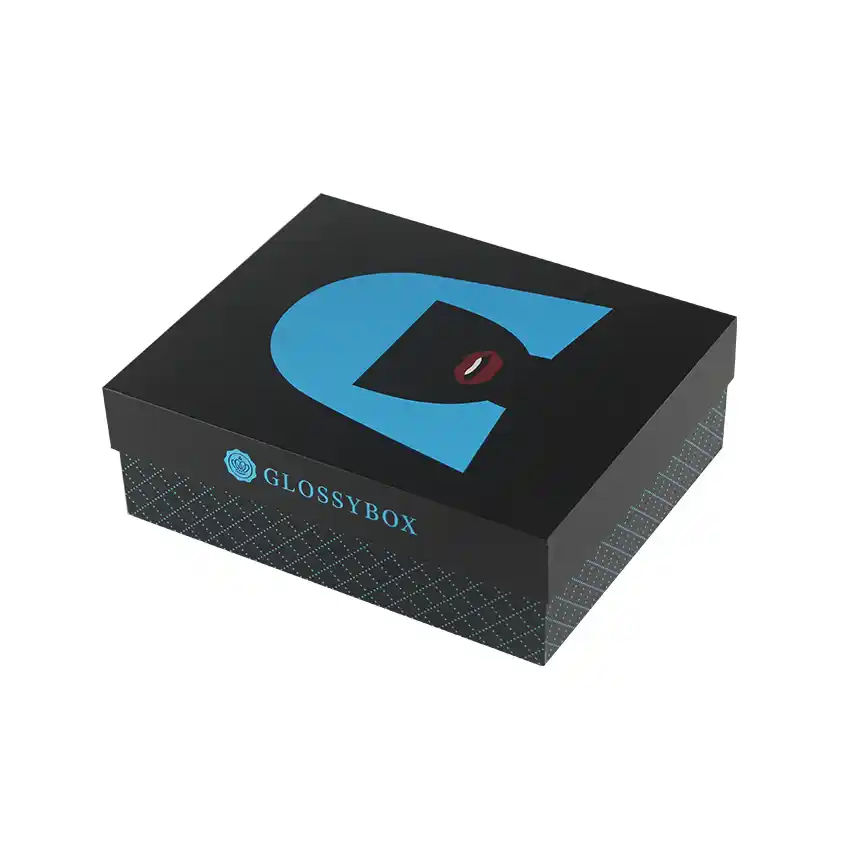
This part sounds boring, but it’s where projects win or die.
If your dieline is sloppy, you’ll see it fast:
Basic print rules help a lot:
Your packers want:
So design with a simple SOP in mind:
If the box needs a long training session, it’s gonna get assembled wrong on a busy day. That’s just real life.
Let’s talk real scenarios—no fake names, no fantasy stories. Just what happens in packaging meetings and on packing lines.
Cosmetics is insert territory. Glass droppers, jars, pumps, and sets love to move around in transit. So you design cavities that hold shape and protect finish.
Common pain points:
Insert strategy that works:
Cosmetics brands also care about color consistency and surface rub resistance. If you do matte lamination, test it. Some mattes scuff easy, and customers notice.
Electronics is all about layout logic. If cables float around, the customer thinks “cheap,” even if the product isn’t.
Common pain points:
Insert strategy that works:
This is also where you want the two-layer defense: gift box inside, corrugated shipper outside. You’ll reduce dents and returns, plus your photos still look premium.
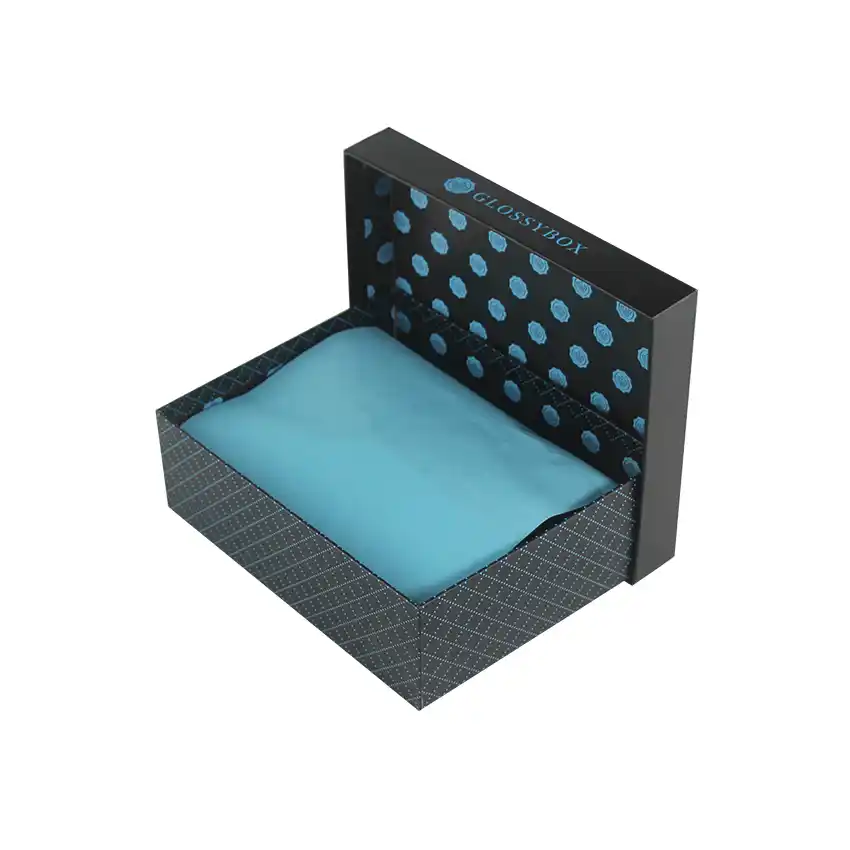
Food gifting looks simple until it isn’t. You’re managing crush risk, presentation, and sometimes odor transfer.
Common pain points:
Insert strategy that works:
If you’re doing seasonal gifting, collapsible gift boxes are nice because you can store them flat in the off-season. That keeps your warehouse calmer.
Apparel packaging is a speed game. The box can’t slow down the line.
Common pain points:
Insert strategy that works:
Apparel brands often use collapsible gift boxes for limited drops, influencer kits, or premium sets—where presentation matters, but you still need storage efficiency.
| Industry keyword | Typical damage risk | Insert type that fits | Pack-out reality (ops talk) | What “good” looks like |
|---|---|---|---|---|
| Cosmetics packaging | High (glass, leak, scuff) | paperboard tray or foam cavities | keep bottles upright, stop rubbing | no rattle, no smears, lid closes flat |
| Electronics packaging | High (impact, scratch) | foam insert + compartments | cable management, protect corners | device locked in, accessories separated |
| Food packaging | Medium (crush, hygiene) | dividers + pulp tray | fast kitting, keep items clean | separated, no clink, no crushed edges |
| Apparel packaging | Low–Medium (wrinkle, speed) | minimal insert / frame | line speed matters most | clean fold, fast close, shelf-ready |
This table is the quick “meeting tool.” It helps you choose inserts based on risk and pack-out reality, not vibes.
Here’s the part brands don’t talk about on Instagram: reorders.
Your first production run is exciting. Your fifth reorder is where suppliers get tested. That’s why ISO-style process control matters. Zhibang Packaging runs ISO 9001 quality management and supports OEM/ODM custom programs, which helps when you’re scaling across regions and need stable specs.
In practical terms, you want:
Zhibang also works across many product formats, so you can keep your lineup consistent across channels:
Extra category options if your program needs them:
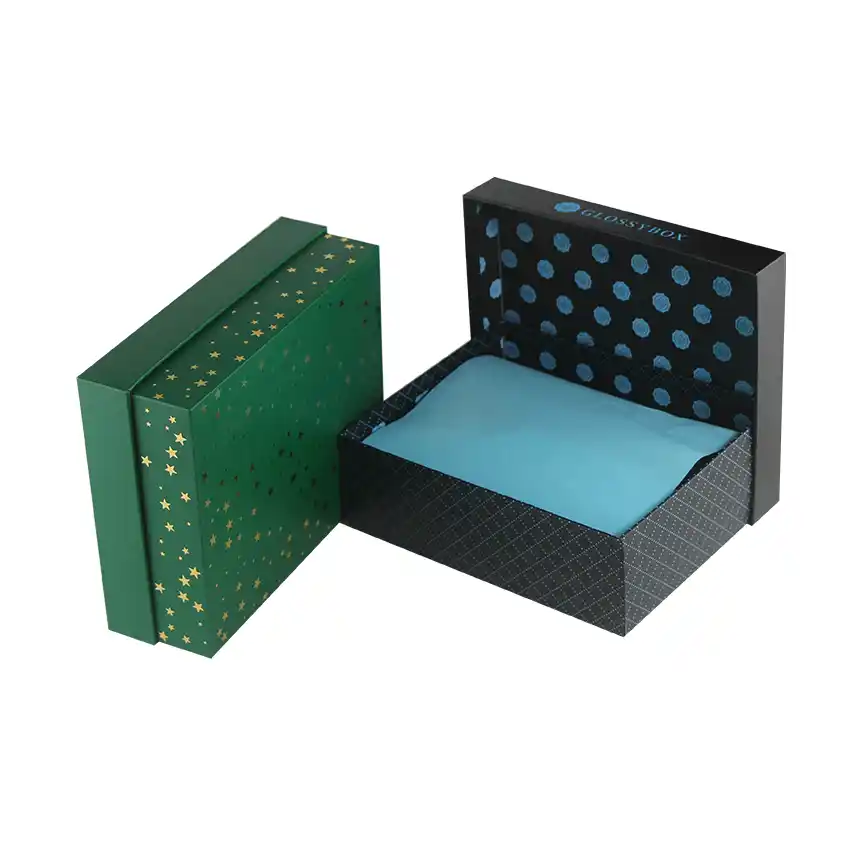
If you want one “don’t mess this up” checklist, use this:
If you do this, you avoid the classic pain: “it looked great in sampling, then mass production got weird.”
Here’s the real pitch, no fluff: packaging should protect product, protect brand, and protect ops. Collapsible gift boxes help your supply chain. Inserts protect your product and your unboxing. Together, they lower chaos.
And when you’re working across multiple industries or multiple SKUs, a supplier that can handle different paper packaging formats under one roof makes life easier. That’s where Zhibang Packaging fits well—global supply reach, custom paper packaging capability, ISO process control, and support for bulk programs without losing the premium feel.
If you’re building a premium kit, start from the insert, then choose the collapsible box around it. Do it in that order. It just works better, trust me.