Talk To Our Boss If You Didn't Find The Solution
Our boss, Alanna will ask our team to find out the solution very soon! You must be satisfied with our services!


Finishes move product.
But the second you spec foil + embossing + spot UV in one breath, you’ve quietly turned a simple carton into a multi-step manufacturing project—dies, makeready, registration risk, curing variables, and the kind of “why is this scuffing” callback that burns weeks and margins if you didn’t engineer it upfront.
So what are you really buying: perceived value, or invisible complexity?
I’m going to be blunt: most “luxury packaging finishes” are overpriced when the substrate and artwork are doing none of the heavy lifting. A shiny trick on weak board looks… cheap. And consumers notice. The math is harsh and boring: if the base material is 300–400 gsm SBS with a flimsy laminate, your foil can’t rescue it; it just highlights every defect.
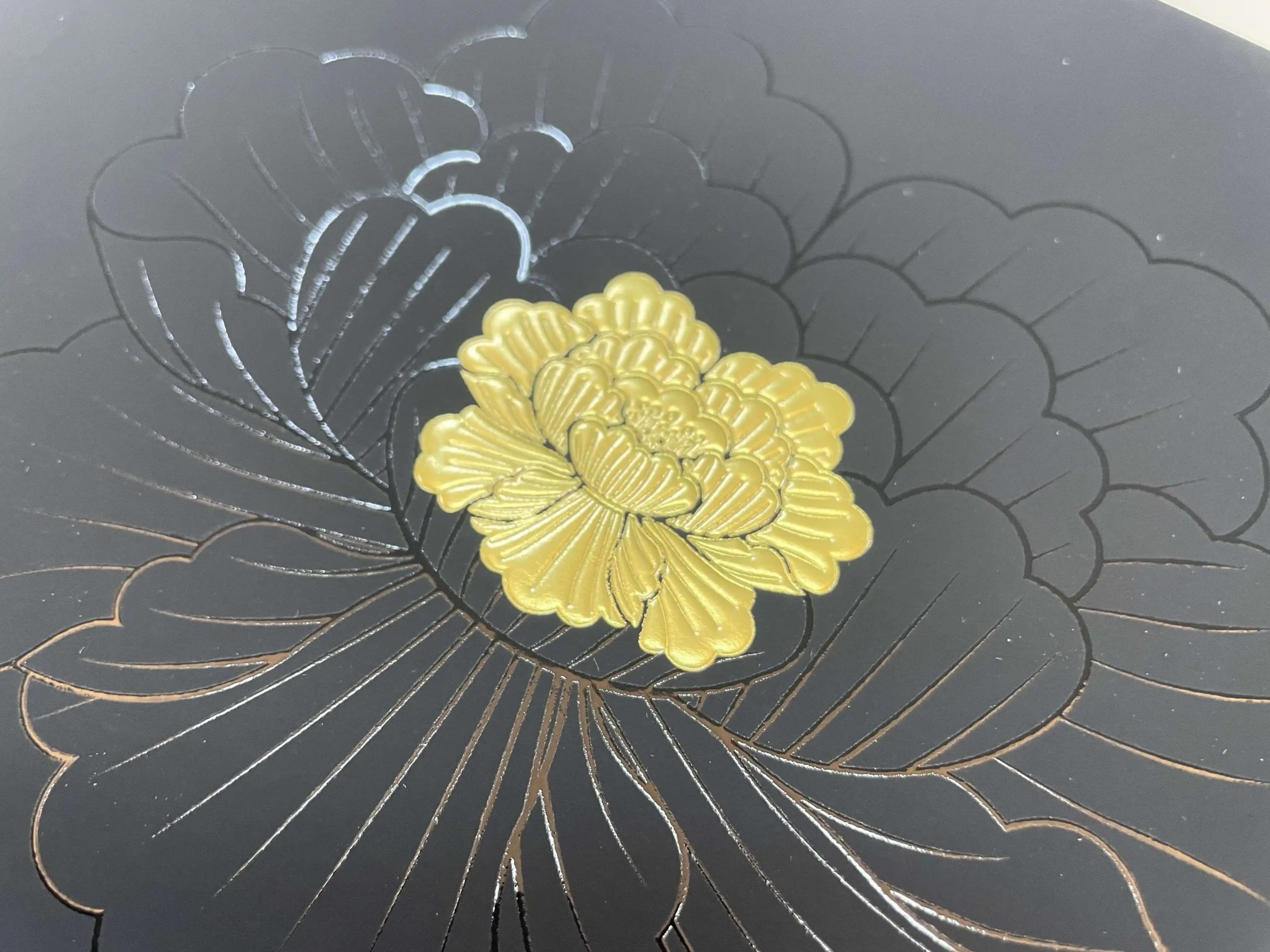
Now the insider reality: when finishes work, they work because they control light, touch, and durability—three levers that dominate shelf-read and unboxing. A hot-stamped logo catches light at 15–30° angles where CMYK inks flatten. Embossing changes fingertip friction and forces people to keep holding the pack. UV coating changes how quickly a surface shows abuse.
And yes, regulation is now a fourth lever. Europe is openly moving toward “designed to be recyclable” as a baseline, not a nice-to-have—all packaging must be recyclable by 2030 per the European Commission’s stated direction. If your finish stack turns your box into a composite headache, you’re building future rework into today’s SKU.
If you want quick context on how premium boxes get built (and specced), Zhibang’s custom paper gift boxes with refined finishes category is a decent reference point for structures and typical materials, especially rigid board builds.
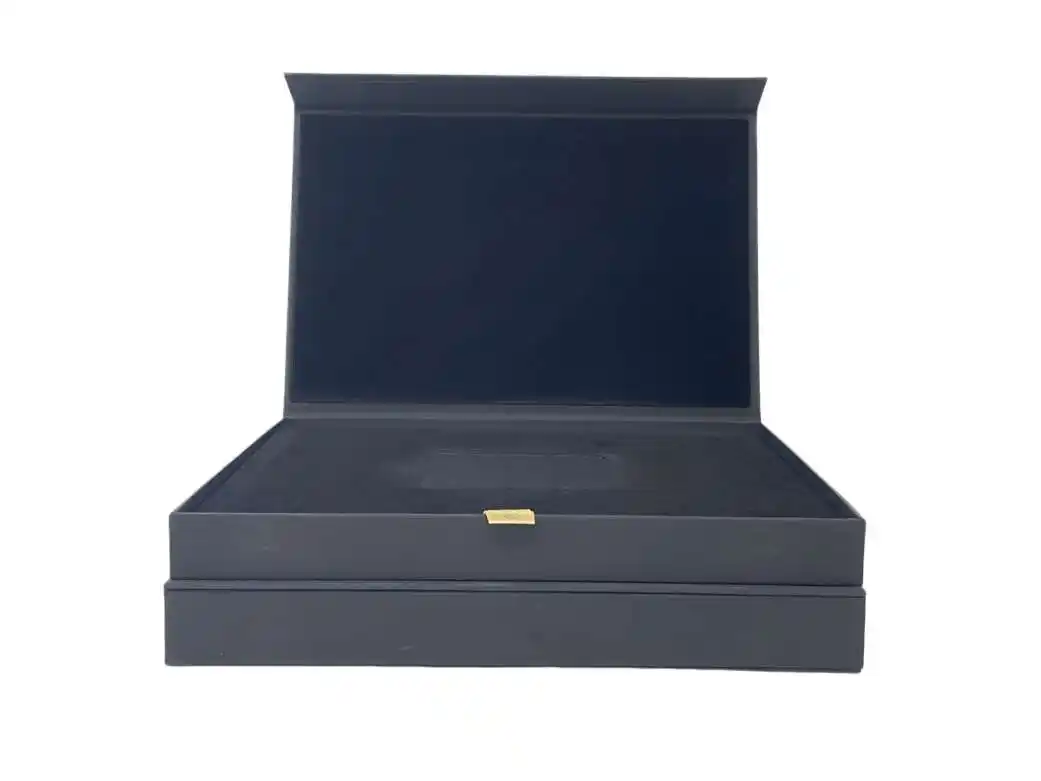
Foil is not “ink that’s shiny.” It’s a transfer process: pressure + heat (hot foil) or pressure + adhesive (cold foil) moves a microscopic decorative layer onto your substrate. Typical hot-stamping foils are built on a PET carrier film (think polyester), with release, lacquer, metal (often aluminum), and adhesive layers. That layering is why foil can look like metal without being metal.
Three-word truth: Tooling costs real.
A magnesium die might be $80–$250 for small logos; brass/copper dies can run $300–$1,200+ depending on size and longevity. And if you’re doing multi-level foil or tight detail, cheap dies become false economy because they lose edge definition and start “filling in” fine strokes.
Here’s the part most brand teams learn late: foil failure is usually design failure.
Want a real-world look at how brands spec this in practice? Browse Zhibang’s hot foil stamping box gallery and you’ll see the common pattern: rigid board, controlled wraps, and foil used as a focal point—not wallpaper.
A clean example of the “stack” (foil + protective layers) is their chocolate rigid box spec—gold hot stamping chocolate gift boxes with spot UV—built on 1200 GSM rigid board with 157 GSM wrap paper. That’s not random; thicker builds stabilize flatness and registration.
Embossing and debossing are old-school. That’s why they’re still effective. Digital fatigue is real; tactile signal cuts through.
One short sentence: Touch slows people.
Now the longer, inconvenient analysis: embossing forces a consumer to keep the package in hand long enough for the brand to “land,” and that dwell time is not poetry—it’s measurable behavior, tied to perceived uniqueness and willingness to pay, especially when the embossing is visually salient and invites touch.
There’s actual academic evidence for this, not just packaging folklore. A 2024 research article in Journal of Product & Brand Management (Volume 34, Issue 2, dated 14 August 2024) specifically examines embossed label texture and links it to higher purchase intentions through willingness-to-touch and perceived uniqueness. That’s exactly the mechanism premium packaging teams think they’re buying when they spec “embossed logo.”
So why doesn’t everyone emboss everything?
Because embossing has rules:
If you want a grounded packaging example: Zhibang’s magnetic rigid gift box with embossed logo calls out a 1200 gsm rigid core and 157 gsm wrap—again, structure first, finish second.
Hard truth: embossing is the best “luxury” finish when you want premium without the recyclability baggage of heavy laminates and metallic layers.
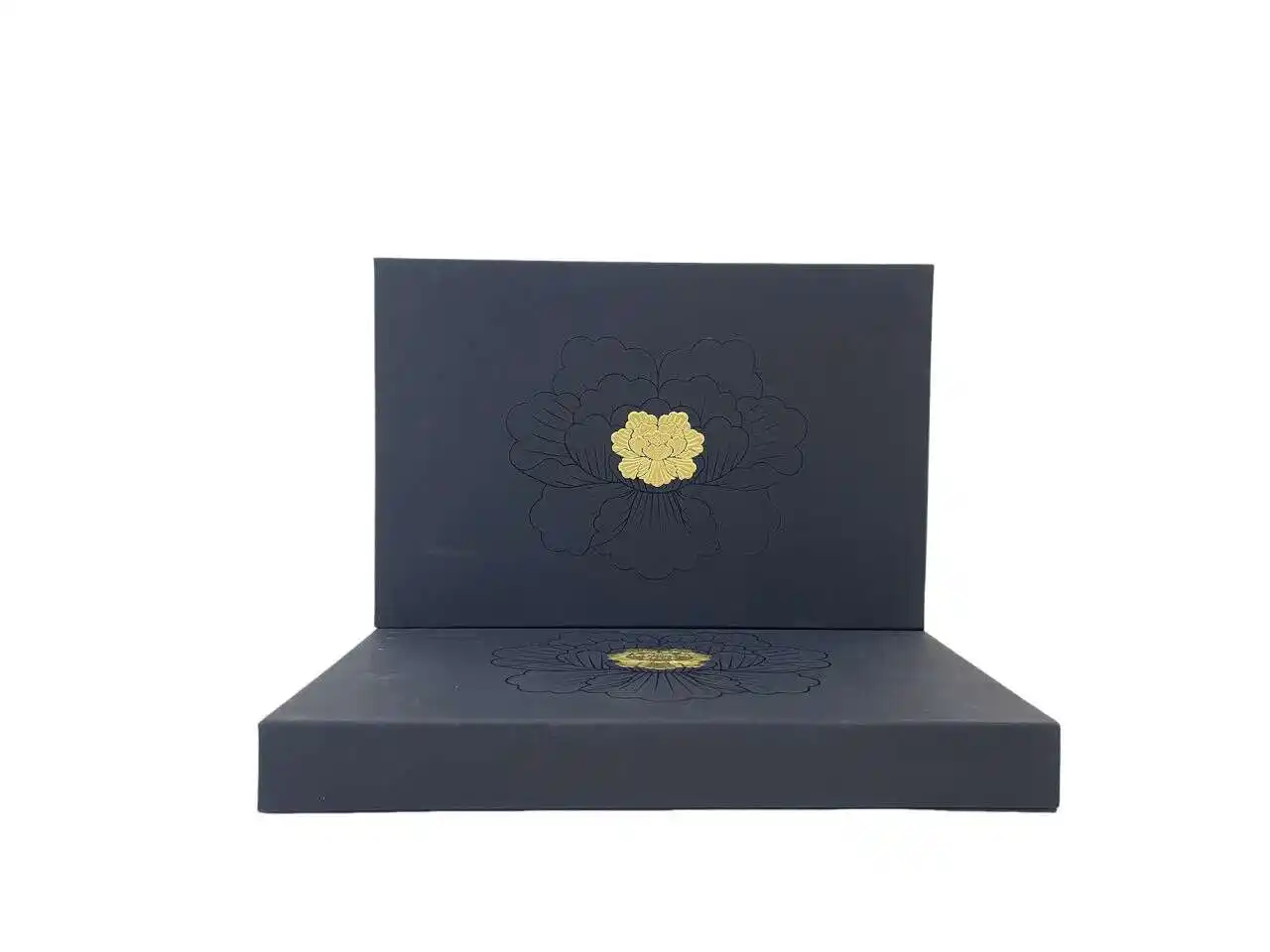
UV is where people get sloppy with terminology—and sloppy specs produce sloppy outcomes.
Zhibang’s own product content spells the difference plainly: UV coating is thicker and cures instantly under UV light; varnish is lighter and more economical. That’s the production-level distinction, not marketing.
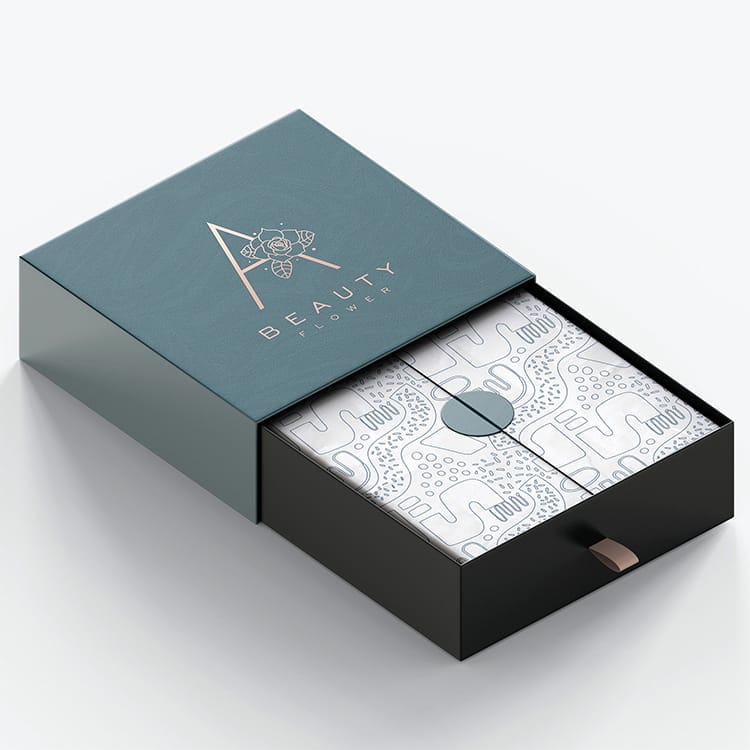
Spot UV (the classic) is used to punch contrast—gloss islands on matte oceans. On shelf, it reads as depth. In hand, it reads as texture. Operationally, it reads as “one more station, one more risk.”
UV varnish (flood or spot) is cheaper and faster, good for sealing and sheen control when you don’t need tactile buildup. The mistake brands make is paying for spot UV where a controlled matte varnish and smarter lighting angles in the artwork would do the job.
And yes, there’s a safety/chemistry angle if you’re in food, pharma, or anything “near-mouth.” UV-curable systems can involve photoinitiators and low molecular weight components; the risk discussion is about migration and set-off, not scary buzzwords. A 2024 review on chemical migration into foods lays out mechanisms (contact migration, gas-phase migration, set-off, etc.) and why regulatory testing and low-migration systems exist.
If you’re building regulated packaging structures, Zhibang’s folding cartons and custom cosmetic boxes sections are relevant internal references for typical print + finish configurations.
Here’s the part procurement hates hearing: your finish stack is increasingly a compliance decision, not just a design decision.
The EU is actively tightening packaging waste controls. Reuters reported on March 5, 2024 that the EU reached a provisional deal on a new law to cut packaging waste and ban certain single-use plastics, with exemptions and sector nuance—but the direction is unmistakable. Reuters report on the EU packaging-waste deal
And the waste numbers behind this push are not small. Eurostat reported that in 2022 the EU produced 83.4 million tonnes of packaging waste—186.5 kg per inhabitant—and noted material shares (paper/cardboard 41%, plastic 19%, glass 19%, wood 16%, metal 5%), plus plastic packaging waste at 36.1 kg per person with 14.7 kg recycled. Eurostat’s 2024 packaging-waste release
So when you wrap paperboard in plastic film, lay down heavy spot UV, and add metallic layers, you’re not just making it pretty—you’re potentially making it harder to sort, pulp, and reclaim. The European Commission’s own PPWR framing pushes recyclability-by-design as a baseline expectation by 2030. European Commission PPWR overview
Does that mean “never foil”? No. It means foil with intent, and with substrate/structure choices that don’t turn the whole pack into a composite.
| Finish | What it actually does | Typical added cost (unit-scale) | Tooling / setup | Lead-time impact | Common failure mode | Recyclability risk (practical) |
|---|---|---|---|---|---|---|
| Hot foil stamping | Metallic reflectivity + sharp brand “hit” | +$0.05–$0.30 | Metal die, makeready | +3–10 days | pinholes, fill-in, mottling | Medium (higher if paired with film lamination) |
| Cold foil | Foil via adhesive (often inline) | +$0.03–$0.20 | Plate + adhesive tuning | +2–7 days | dirty edges, weak transfer | Medium |
| Embossing | Raised tactile relief | +$0.03–$0.20 | Male/female die set | +3–10 days | cracking, mis-register | Low–Medium (mostly fiber-safe if no plastic films) |
| Debossing | Recessed tactile relief | +$0.02–$0.15 | Die set | +3–10 days | board crush, shadowing | Low–Medium |
| Spot UV coating | Thick gloss “pop” + rub resistance | +$0.03–$0.18 | Screen/plate | +2–7 days | orange peel, scuffing, set-off | Medium (heavier coatings complicate fiber recovery) |
| UV varnish (flood/spot) | Thin protective sheen control | +$0.01–$0.08 | Plate optional | +1–5 days | uneven gloss, blocking | Low–Medium |
Those cost ranges vary by run size and geography, but the ranking is stable: foil and embossing cost money because they’re physically slower and require more setup discipline.
I’ll give you the decision logic most converters use internally (but don’t always say out loud):
Pick one hero effect.
Then protect it.
Then stop.
If you insist on stacking all three (foil + embossing + spot UV), do it only when:
If you want practical “what structures tend to survive finishing abuse,” start by scanning Zhibang’s paper gift box lineup for rigid builds, then compare with folding cartons for higher-volume, tighter-cost work.
And if you’re doing regulated categories where scuff resistance and clarity matter (vapes, supplements, pharma), Zhibang’s child-resistant packaging content is one of the few spots on the site that bluntly distinguishes UV coating vs varnish in production terms.
What are packaging printing finishes?
Packaging printing finishes are post-print processes—coatings, laminations, and pressure/heat-based effects—applied after ink to change how a box looks and feels, adding gloss, texture, metallic reflectivity, or abrasion resistance, often requiring extra plates, dies, or curing steps and raising unit cost.
What’s the difference between spot UV coating packaging and UV varnish packaging?
Spot UV coating is a thick, clear, UV-cured layer applied only to selected artwork areas for high-gloss contrast and strong rub resistance, while UV varnish is a thinner clear coat used flood or spot mainly to control sheen and seal ink economically, usually with less tactile buildup and lower cost.
Is foil stamping packaging recyclable?
Foil stamping can be recyclable in practice only when the decorative layer is minimal relative to the fiber base and the overall structure avoids plastic-heavy laminations, but many foil-plus-film stacks behave like composites that are harder to sort and will face increasing scrutiny as recyclability-by-design standards tighten.
Embossing vs debossing: what’s the real difference?
Embossing raises paper fibers with a male/female die set to create tactile 3D relief, while debossing presses the image into the board for a recessed effect; both need tight registration, but embossing typically signals “premium” via fingertip salience and debossing often signals “craft” with better resistance to surface scuffing.
What’s the best printing finishes for product packaging if I’m on a budget?
The best budget finish strategy is selecting one high-signal effect—usually embossing or a controlled varnish/soft-touch approach—paired with a heavier, higher-quality substrate so the package feels expensive before any special effect is added, avoiding multi-step stacks that increase tooling, scrap risk, and lead-time variability.
Do UV coatings create safety risks for food or near-mouth packaging?
UV coatings are crosslinked acrylic systems cured by ultraviolet light, and the risk discussion centers on residual migrants from inks, adhesives, and photoinitiators that can transfer via mechanisms like set-off or contact migration, which is why regulated packaging uses low-migration systems, barrier strategies, and migration testing.
If you’re serious about upgrading packaging printing finishes, don’t start by asking for “foil, embossing, and UV.” Start by telling the factory your channel (retail vs DTC), run size, substrate preference, and abuse profile (scuff, humidity, oil, shipping)—then pick one hero finish and engineer the rest around it.
If you want a fast baseline, browse Zhibang’s foil-heavy premium box examples, compare against their embossed rigid gift box build, and decide what you can actually defend on cost, lead time, and recyclability.