Talk To Our Boss If You Didn't Find The Solution
Our boss, Alanna will ask our team to find out the solution very soon! You must be satisfied with our services!


Most people judge a gift box by the outside. Your customer judges it the second they lift the lid. If the product wiggles, scrapes, or looks “thrown in,” the box feels cheap—even if the outside print is perfect.
So yeah, the insert (inlay / fitment / inner tray) matters. It’s the part that controls movement, shock, and that awkward rattle that makes customers think “this is gonna be broken.”
Below is a clean version with no citation bars and no links to other sites. I only link to Zhibang Packaging pages where it makes sense.
| Insert material | Protection (shock + vibration) | Fit accuracy | Premium look | Eco story | Best scenes |
|---|---|---|---|---|---|
| Foam (EVA / PU / EPE) | Very high | High | Medium (often needs wrap) | Low–Medium (depends on local recycling) | Fragile items, electronics, glass, jewelry |
| Greyboard / chipboard | Medium (structure > cushioning) | Medium–High | Very high | Medium–High (paper-based) | Luxury rigid boxes, cosmetics kits, multi-item sets |
| Molded pulp | Medium–High (design-driven) | High (shape cradle) | Medium (texture look) | High (fiber-based) | Eco-focused brands, shaped trays, bottle cradles, electronics trays |
Quick truth: foam protects best, greyboard looks best, pulp sells the eco message best. Your job is picking what matches your risk.
Foam wins when your product can’t take a hit. Think glass bottles, tight-tolerance electronics, or anything with corners that chip easily. Foam soaks up shock and handles vibration well. That’s why people keep using it even when they want “paper-only.”
Real packaging pain point: micro-movement. Your product may survive a big drop, but tiny shaking during shipping can still scuff labels, mark polished metal, or dull coatings. Foam helps because it grips and cushions at the same time.
Factory slang you’ll hear: “stop the rattle,” “tight pack-out,” “zero wiggle,” “vibe control.”
Here’s the part brands don’t love: foam recycling is not consistent. Some cities take certain foams, many don’t. So if your brand promise is “easy to recycle,” foam can put you in an uncomfortable spot.
If you still need foam for protection, you can reduce the “plastic vibe” by:
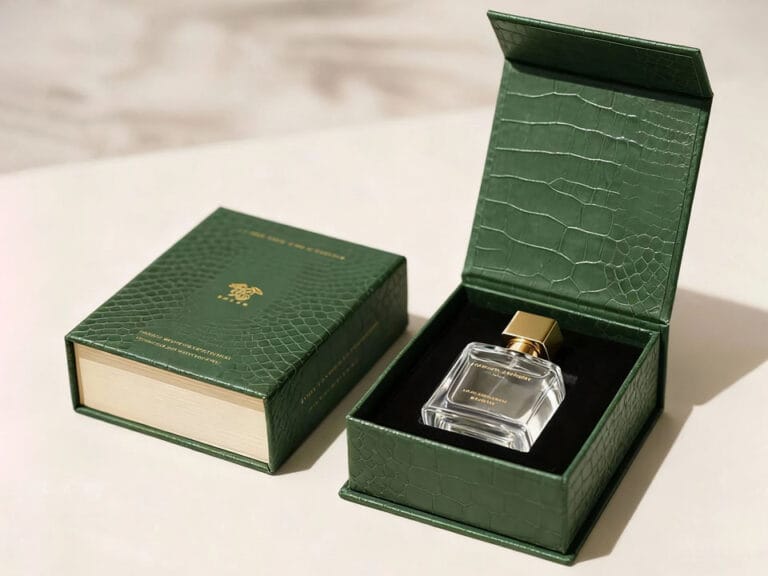
Foam by itself can look a bit… industrial. If you want a premium unboxing, brands often cover foam with paper or fabric so it feels like a gift, not a warehouse part.
But keep it real: every extra layer adds assembly steps. If you care about line speed (pack-out speed), that wrap can slow kitting.
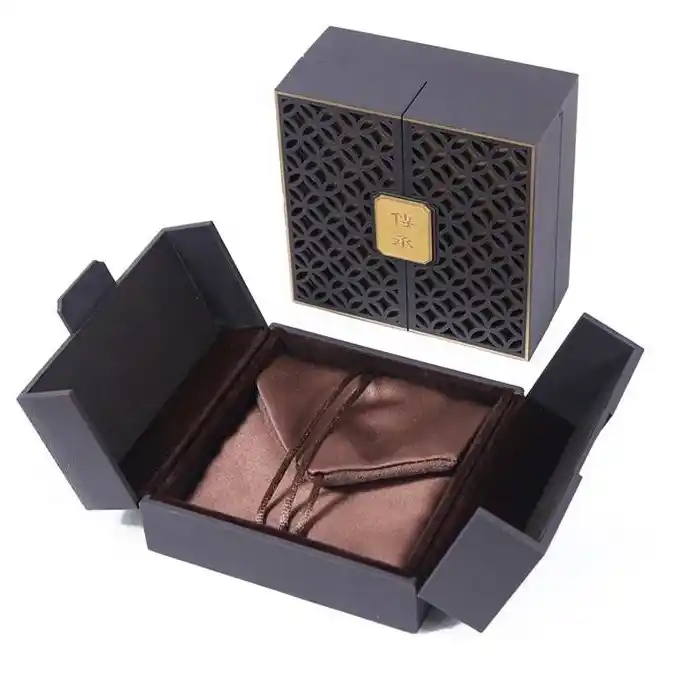
Greyboard is the “backbone” material in rigid packaging. It holds shape. It stays flat. It makes your inside look clean because nothing sags.
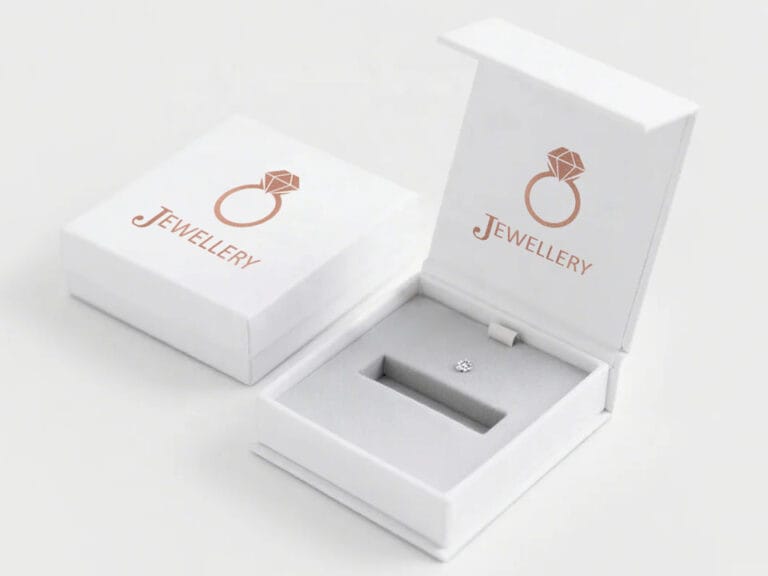
If your product is not super fragile but must look premium—cosmetics sets, skincare kits, accessories, branded bundles—greyboard inserts feel like the right move.
Practical example: a skincare set with 3 bottles and 1 jar. A greyboard tray with cutouts keeps spacing consistent, makes everything look lined up, and reduces scuffing between items.
Greyboard plays nice with paper finishing. You can wrap it with matching liner paper, add foil accents, or keep it matte for a “soft-touch” look. This is why luxury rigid gift boxes often pair with greyboard trays.
If you sell in retail, that inside presentation helps. Customers don’t just buy product. They buy the moment.
Greyboard is a strong “holder,” not a soft “pillow.” It stops movement and separates pieces, but it won’t absorb shock like foam.
So if your shipment path is rough—cross-border, long courier chain, lots of sorting—greyboard trays often work best when you also use:
Molded pulp is what it sounds like: fiber formed into shape. When designed well, it cradles the product like a custom tray. That shape-fit is why pulp works for items that need “nesting,” like bottles, jars, or electronics components.
This is the option brands pick when they want a strong eco story but still need real protection—without going back to foam.
Two common trade-offs:
If your brand is “clean, natural, minimal,” pulp often fits the vibe. If your brand is “high-gloss luxury,” greyboard still feels safer.
Pulp trays can reduce empty space because they’re shaped. Less void means less movement, and often a smaller box. Ops teams love that because it cuts “shipping air.” Nobody wants to pay to ship air, even if you never say that out loud.
If you only remember one thing, remember this: pick the insert for your risk, not your mood.
Ask these questions:
Here’s a scene-based guide you can actually use:
| Scene | Best insert pick | Why it works | Pack-out note |
|---|---|---|---|
| Cosmetics gift set (multiple units) | Greyboard tray | Clean layout + premium feel | Add finger notches so packers don’t struggle |
| Electronics (charger, earbuds, small device) | Foam or molded pulp | Better shock + vibration control | Plan tolerance like a real factory, not a sketch |
| Glass dropper bottle + jar | Foam (high risk) or shaped pulp (eco) | Prevent leaks + impact cracks | Watch tightness: too tight = label scuffs |
| Food gifts (cookies, tea, multi packs) | Greyboard dividers or pulp | Keeps pieces separated | Keep it simple for fast assembly |
| High-end rigid gift box for brand launch | Greyboard or pulp | Unboxing matters | Use consistent materials for a clean story |
This part saves you from remake pain. The insert isn’t “art.” It’s a fit system.
Industry shorthand you’ll hear from packaging teams:
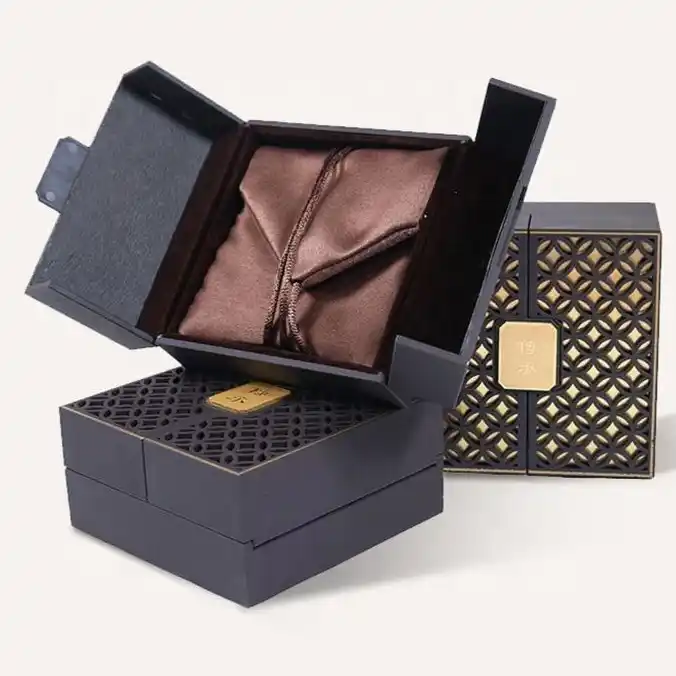
If you want a supplier that can build the full paper packaging setup—not just one box—Zhibang Packaging sits in the right lane: custom paper packaging, rigid gift boxes, folding cartons, and shipping-ready structures, with OEM/ODM support and ISO-style quality control.
Here are useful category pages to match different box + insert combos:
The practical value: you can build a consistent packaging system across SKUs (same look, same specs language), then tune the insert choice by product risk.
If you’re stuck between two options, don’t overthink it for a week. Do two samples and run basic handling checks. Your product will tell you the truth fast.
| Reference type | What it supports in this article | How to use it in your writing |
|---|---|---|
| Zhibang Packaging site content (paper packaging categories, rigid box materials, eco packaging focus) | Product structure terms + category mapping | Keep it practical and buyer-focused |
| Industry packaging insert guides (foam vs paperboard vs molded pulp comparisons) | Common trade-offs: protection vs print vs eco | Use simple pros/cons, avoid fluff |
| Academic overview on molded pulp packaging | Why molded pulp fits shape-matching + eco goals | One short “why this works” paragraph, then back to real scenes |
If you want, paste or upload zb.json and I’ll map your exact product taxonomy into the article (with the same “no black citation bars” rule), so the internal links and category wording match your site 1:1.