Talk To Our Boss If You Didn't Find The Solution
Our boss, Alanna will ask our team to find out the solution very soon! You must be satisfied with our services!


If you sell candles in the EU or the US, you already know the product isn’t the only thing on trial. The delivery is on trial. The box gets judged before the scent does, and glass doesn’t forgive mistakes.
So here’s my argument: custom candle packaging is not decoration. It’s a system. It has to protect the jar, carry the brand, and keep sales moving—without slowing your pack-out line or wrecking reviews.
That’s the mindset behind what we build at Zhibang Packaging: paper-based retail packs, rigid gift formats, folding cartons, and shipping-ready corrugated—so you can run EU/US routes without gambling on “pretty.”
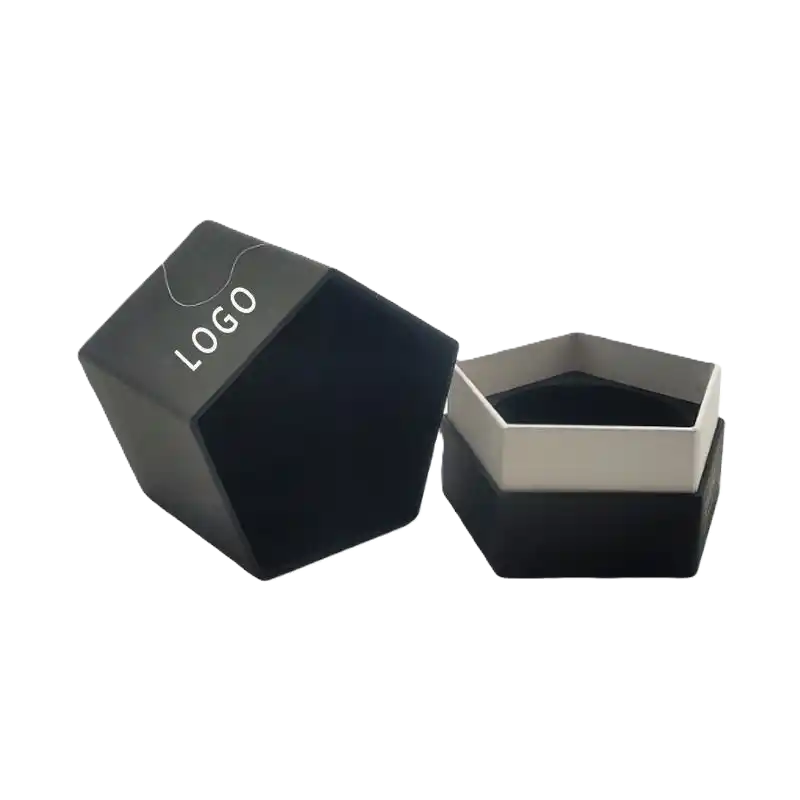
When you open the Custom Candle Boxes page, you’ll see the core promise in plain words: snug inserts + luxe coatings + safer delivery. That’s not marketing fluff. That’s the exact list of problems candle brands fight every week.
In our Step-by-Step Guide to Designing Custom Candle Boxes, we say it straight: a good box does three jobs at once—Protection, Branding, Sales.
And we back it with a simple 1–5 score table that shows what really drives outcomes.
Here’s that idea, cleaned into a quick decision table you can actually use:
| Packaging element | Impact on damage risk (1–5) | Impact on brand feel (1–5) | Impact on sales (1–5) |
|---|---|---|---|
| Box structure | 5 | 3 | 4 |
| Materials & inserts | 5 | 4 | 3 |
| Graphic design & print | 2 | 5 | 5 |
| Sustainability choices | 3 | 4 | 4 |
| Shipping outer packaging | 5 | 2 | 3 |
What it means (no sugar): if you ignore structure and inserts, design alone can’t save the product. So if your damage rate is climbing, don’t “rebrand.” Fix the engineering first.
EU/US candle buyers move fast. They scan. They don’t read a thesis on the back panel. If your pack looks weak, they assume the candle is weak too.
In real projects, we usually see three pain buckets:
You don’t solve all three with one trick. You solve them with a packaging stack that matches the route.
This is where brands win or lose: scenario first, structure second.
If you sell boutique retail, you can lean into a rigid gift feel.
If you ship DTC, you need drop resistance and tight headspace.
If you do both, you need a retail carton that nests inside a shipper cleanly.
In warehouse slang: design the pack-out, not just the artwork. If packers need to “figure it out,” your 3PL will hate you. Errors will happen. Reviews will follow.
Hot-lane shipping is brutal. Not dramatic, just real. In summer, a truck becomes a moving oven. In hubs, boxes sit. Delays stack. And wax gets soft.
That’s why the guide 7 Design Details for Candle Boxes When Shipping in Hot Climates starts with a blunt reminder: many common wax blends start softening around 120°F (about 49°C). Once that happens, little issues turn into big issues.
Before the “7 details,” the article gives a simple risk map. It’s gold because it ties cause → customer complaint → design fix:
| Hot-lane risk | What customers see | What you fix in the design |
|---|---|---|
| Heat soak in trucks and hubs | soft wax, dents, greasy marks | insulation + tighter immobilization |
| Long transit + weekend delays | warped cartons, scent oil stains | ship-window SOP + stronger outer |
| Condensation from gel packs | soggy paper, ink rub, label peeling | moisture barrier + smart placement |
| Too much empty space | broken jars, cracked lids | insert + right-size dieline |
Now, let’s talk about the specific build choices that show up again and again in EU/US candle programs.
If your candle ships DTC, your outer box takes a beating. Corner crush. Belt drag. Random stacking. Heat and humidity make paper lose stiffness too.
So you spec corrugated like you mean it:
If you’re building shipping-grade outers, route that decision to Printed Corrugated Boxes, because a retail box alone won’t survive last-mile.
Small truth: pretty doesn’t survive last-mile. Strong does.
Heat is one enemy. Movement is the other.
The goal is simple (and it’s in the article): no rattle, no glass-to-wall contact, no pogo bounce.
That’s insert engineering.
The insert formats we lean on most in real pack-out:
Here’s the warehouse talk you can use with any supplier so nobody pretends they don’t get it:
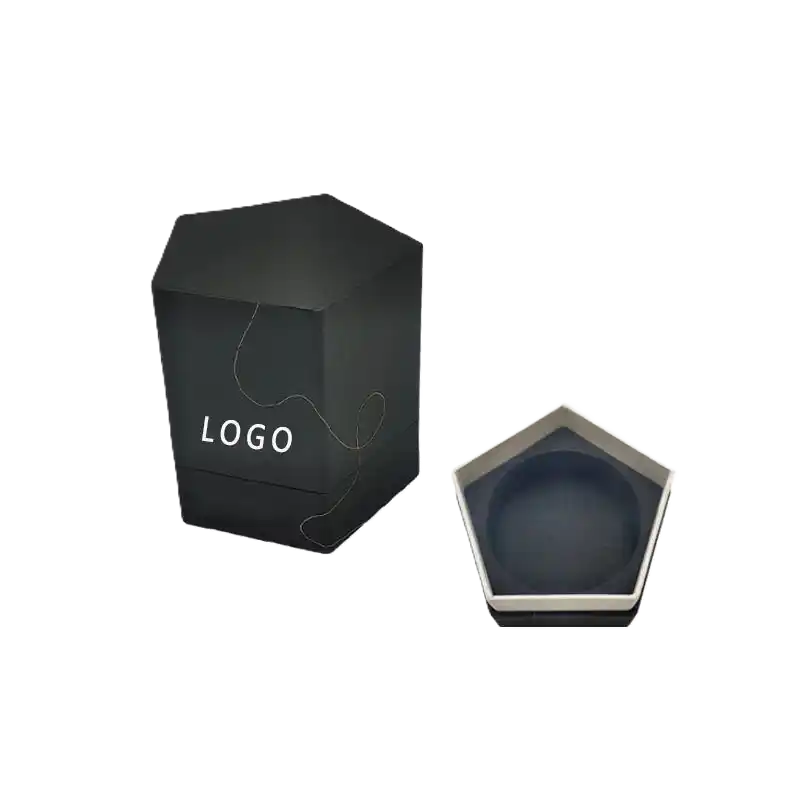
Oversized boxes feel safe. They are not safe.
Extra headspace becomes extra movement. Extra movement becomes cracks, chips, and scuffs. In hot lanes, that “tiny shift” gets worse because softened wax makes the product feel unstable.
So we push brands toward right-size dielines and controlled clearance. Not tight-to-the-point-of-slow, but tight enough that nothing can build momentum inside the shipper.
Gel packs help, sure. They also sweat.
Condensation turns a crisp paper box into a damp sponge. Corners soften. Ink rub shows up. Customers open it and go “ew.” Even if the candle is fine, the experience looks ruined.
If you use gel packs, keep it disciplined:
This sounds picky. It saves you from “box looks like it traveled through a swamp” reviews.
This part feels boring. It saves your support team.
A lot of heat damage happens after delivery. Doorstep + direct sun + hours. Not your fault. Still your problem.
So design for behavior:
That’s not branding. That’s an SOP that cuts claims and angry emails.
Here’s a supplier-ready table (also aligned with the hot-climate guide). Copy/paste it into your RFQ and you’ll sound like you’ve done this before:
| Design detail | What to request | Customer pain it solves |
|---|---|---|
| Corrugated strength | flute choice, double-wall if needed, ECT target | corner crush, cracked jars |
| No-rattle insert | collar + base pad, divider for sets | chips, scuffs, lid damage |
| Right-size dieline | minimal headspace, controlled clearance | movement-related breakage |
| Scuff control | scuff-resistant laminate or coating | “arrived used-looking” |
| Thermal liner | insulation sleeve/liner system | softened wax, oil weep |
| Moisture barrier | sealed gel pack + barrier layer | soggy box, ink rub |
| Policy + copy | ship-window SOP + heat note | complaints after delivery |
When brands want premium gifting, details matter. Not “more stuff.” Better contrast.
This product example shows a clean premium spec stack: 1200 GSM rigid paper + 157 GSM art wrap, plus matte lamination + spot UV, and hot foil. (You can see it on the product listing inside the candle box category.) It’s a classic move because matte gives you softness, and spot UV gives you controlled shine.
What that solves in the EU/US gifting scene:
And yeah—this is where Zhibang naturally fits, because we build rigid gift boxes and the supporting inserts under one roof, so the “luxury feel” doesn’t fall apart at mass production.
Top-and-bottom rigid is popular for a reason. It’s simple. It feels like a gift. It protects heavy jars.
This example uses 1200 GSM rigid paper + 157 GSM art paper, with CMYK, hot foil, and glossy lamination. It’s not complicated, but it’s reliable. Reliability is the real luxury when you’re on reorder #5 and you can’t accept color drift.
Rigid isn’t always the answer. If you run high SKU count, seasonal scents, or faster turns, Folding Cartons give you speed.
They’re strong for retail, fast for packing, and easier to update when you change a scent line. In ops terms: better throughput, less storage hassle, easier kitting.
If your candle is lighter (tin, smaller jar, refills), folding cartons often hit the sweet spot. They look clean, ship smarter, and keep assembly simple.
When you need a premium “gift-ready” vibe, Paper Gift Boxes is the lane.
Here’s the simple pitch that works with buyers:
This is where you can do the “unboxing moment” without making pack-out a nightmare.
Most candle brands don’t need a box supplier. They need a partner who can run dielines, fit checks, sampling, and QC without hand-waving.
That’s why I’d point serious buyers to Custom Packaging Services for Growing Global Brands. It’s the practical part: structural design, prototypes, and production workflow. It helps you go from “we want it premium” to “here’s the spec, here’s the sample, now ship it.”
And if you’re scaling EU/US, consistency becomes the real flex. You want the same structure, the same finish behavior, the same color feel—again and again. That’s why ISO-style process control matters (and why brands care about working with a factory, not a random middle layer).
| Argument title (use these as section hooks) | What it means in real life | Source on Zhibang site |
|---|---|---|
| The box does three jobs | Protection + Branding + Sales must work together | Step-by-step candle guide |
| Scenario first, structure second | Channel decides risks, then you choose structure | Step-by-step candle guide |
| Structure beats graphics when breakage shows up | Print can’t fix cracked jars | Step-by-step candle guide |
| Inserts are hidden engineering | No-rattle fit reduces claims | Hot-climate shipping guide |
| Hot-lane shipping is a system | Structure + thermal + pack-out SOP | Hot-climate shipping guide |
| Right-size dielines cut damage | Less headspace, less movement | Hot-climate shipping guide |