Talk To Our Boss If You Didn't Find The Solution
Our boss, Alanna will ask our team to find out the solution very soon! You must be satisfied with our services!


Perfume boxes look simple. Then you ship them.
A glass bottle is heavy for its size, the pump can leak, and the label scratches if it breathes inside the pack. So brands overbuild. They add thick board, heavy inserts, and a stack of fancy finishes. The box looks amazing… and the packaging budget quietly gets out of hand.
Here’s my point: you don’t control perfume box costs by “going cheaper.” You control it by engineering the system—structure first, then inserts, then paper choices, then finishes, then shipping layer. When you tune the system, you cut waste, reduce remake risk, and keep pack-out fast.
And yeah, this is exactly the lane Zhibang Packaging works in: a factory-side custom paper packaging manufacturer that can build the full stack (retail carton + gift box + shipper) under one ISO-style process, with OEM/ODM support and global delivery.
Link hub if you want to see the perfume lane: Custom Perfume Boxes
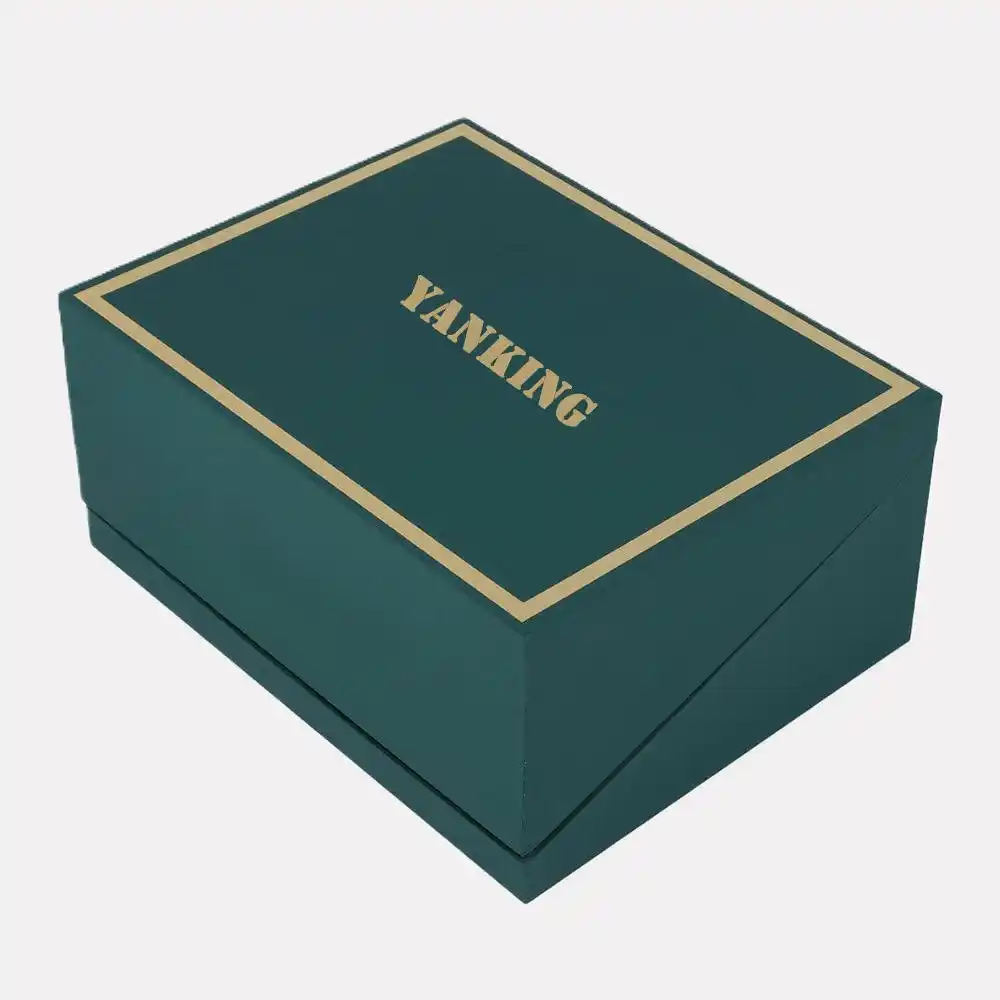
You’ll save the most when you pull the levers that hit material yield, assembly time, and damage rate. Not just “paper price.”
| Cost control lever (real keyword) | What you change (in plain words) | Factory slang / pain it fixes |
|---|---|---|
| Structure optimization | Right-size the box, simplify folds, remove dead space | “Stop shipping air”, “make it pack-out friendly” |
| Dieline + tolerance stack-up | Lock the dieline, control clearances, avoid fit surprises | “Dieline lock”, “tolerance stack”, “QC gate” |
| Packaging inserts | Choose insert by risk + channel, not by mood | “Stop the rattle”, “zero wiggle”, “no scuff” |
| Paper GSM + greyboard thickness | Match board strength to bottle weight + route | “Overbuild tax”, “board caliper” |
| Printing + finishing options | Pick one hero effect, avoid stacking everything | “Scuff city”, “rub test fail”, “too many ops” |
| Shipping layer | Add mailer/corrugated as outer armor | “Two-layer defense”, “last-mile abuse” |
If the bottle can move, it will move. Then it hits corners, it scrapes labels, and it shows up as “damaged item” even if nothing broke.
So start here:
If you sell online, structure has to survive courier life. If you sell retail, structure has to stand square on shelf. Different stress, same idea: fit is profit (not poetic, just true).
Don’t force one format to do every job.
If your brand ships DTC but also wants luxury unboxing, don’t panic. You can do an inner gift box + outer shipper. That combo usually beats trying to make one box do both jobs.
This is where a lot of brands bleed money, then blame “factory quality.” It’s not always quality. Sometimes it’s spec chaos.
Before mass run, lock these:
If you keep changing the bottle supplier, or the cap height changes mid-run, your insert fit goes sideways. Then pack-out slows, scuffs appear, and you get that annoying “why is it so tight?” problem.
Here’s a simple tolerance guide teams actually use. It’s not perfect for every SKU, but it stops dumb mistakes.
| Area (keyword) | Typical target | What happens if you go wrong |
|---|---|---|
| Bottle-to-insert clearance | snug, not forced | too tight = label scuff / slow pack-out; too loose = rattle |
| Insert-to-box wall clearance | small buffer | too tight = crush marks; too loose = corner hits |
| Lid/base or tuck closure fit | smooth close | too tight = tearing; too loose = looks cheap |
Do a quick “shake test” and a “corner drop” with samples. You don’t need fancy lab words to learn truth fast.
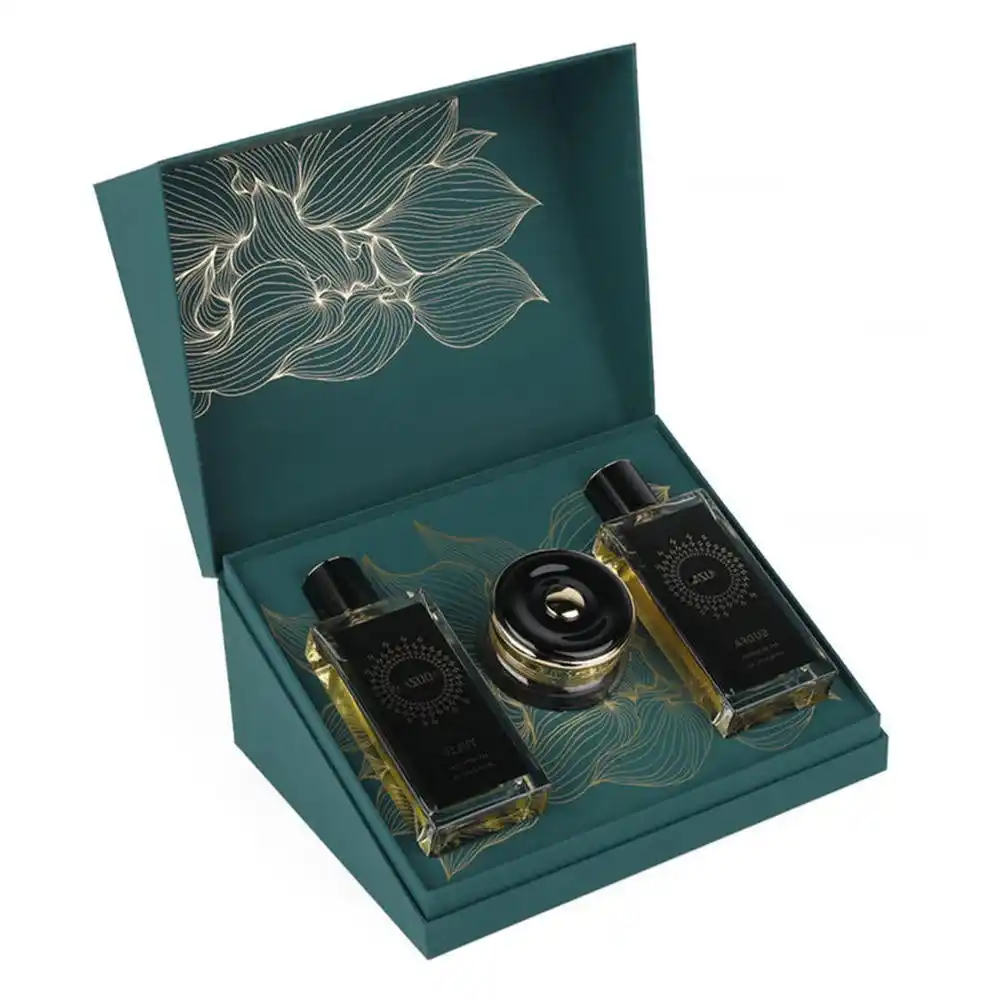
Inserts are not decoration. Inserts are motion control.
Here’s a quick scene table you can use in a spec meeting:
| Scene (real use case) | Best insert approach | Why it works |
|---|---|---|
| Single perfume bottle, retail shelf | paperboard or greyboard insert | stable presentation, good shelf read |
| DTC shipping, long route | foam or molded pulp + strong outer shipper | controls vibration + drop events |
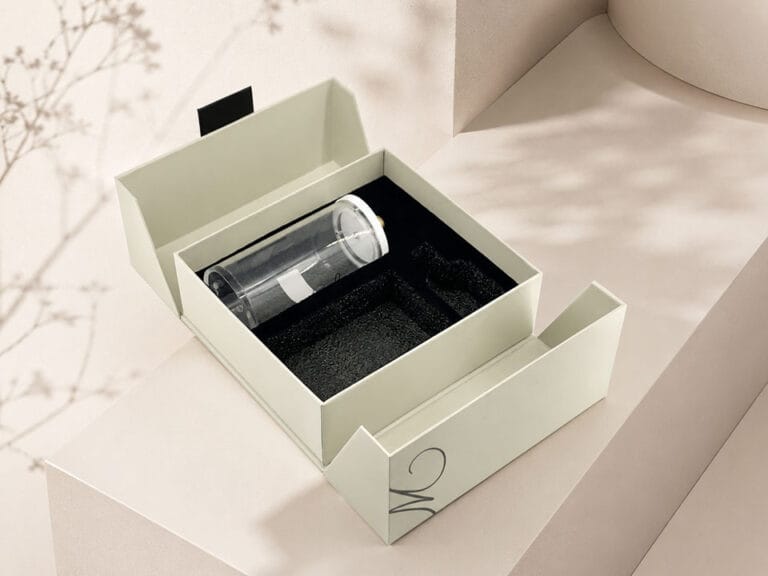
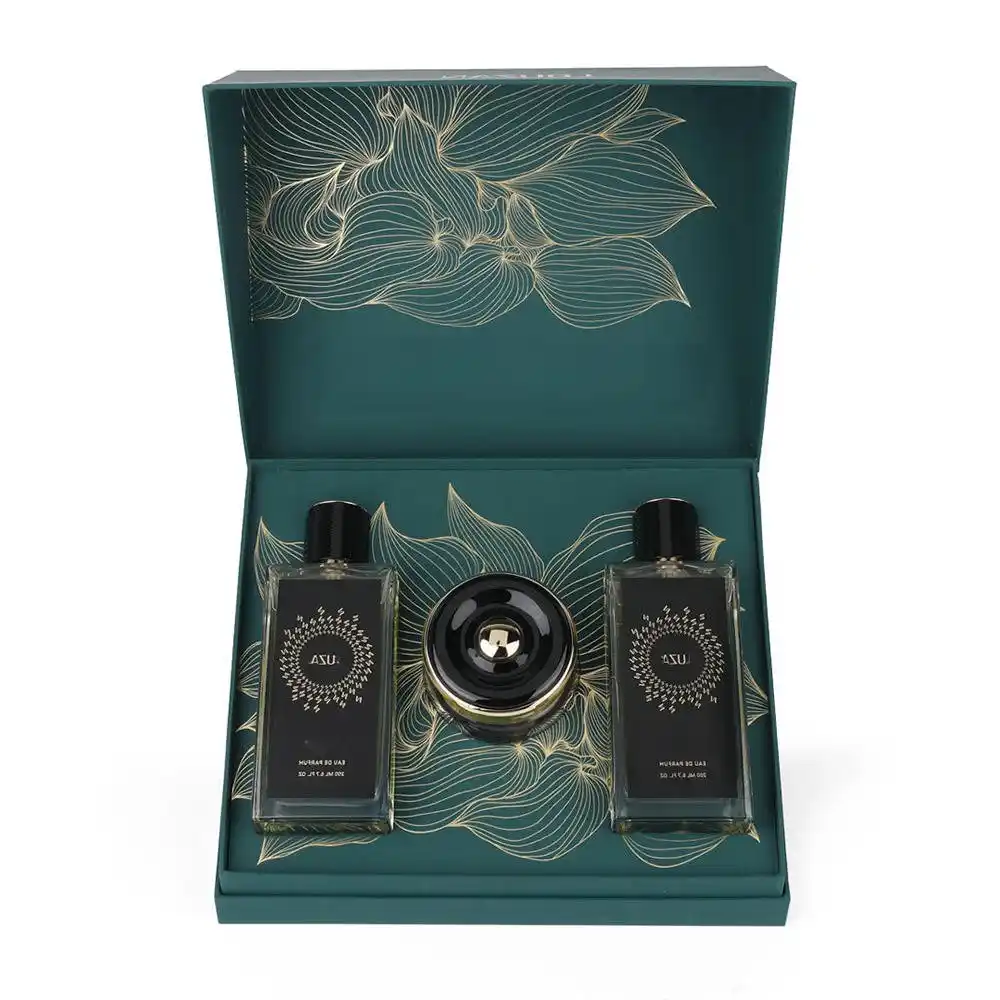
| Gift set (bottle + mini + sample) | greyboard tray with cutouts | aligned layout, clean unboxing |
| Eco-focused fragrance line | molded pulp | fiber story + shaped fit |
If you want fewer returns, focus on “micro-movement.” That tiny shaking during transit is what scratches labels and makes bottles look used. Your customer won’t say “micro-movement.” They’ll say “arrived damaged.”
Paper choices can save money, but only after structure and insert logic is solid. Otherwise you just make a weak box that fails.
For folding cartons, GSM affects stiffness, crush resistance, and print feel. The real trick is matching GSM to:
If your carton needs a lot of cutouts (like windows), don’t chase thin board. Thin board + big cutouts = warping and dents. Simple.
Rigid boxes usually use greyboard as backbone. Thicker board feels premium, but you can overdo it fast. “More thick” isn’t always better.
A practical way to control this:
If you’re doing premium launches, Zhibang’s Paper Gift Boxes and Custom Perfume Boxes category pages show a lot of rigid builds (drawer, lid/base, specialty shapes). That’s useful when you want ideas without reinventing everything.
Finishes are where brands love to stack “just one more thing.” That’s also where costs and defects stack.
If you want a luxury read, pick one main cue:
Then keep the rest quiet. When you pile on foil + emboss + spot UV + soft touch + heavy ink coverage, your defect risk goes up (scuffs, cracks, registration drift). And rework is the silent budget killer.
Perfume boxes get handled a lot: shelf touches, unboxing photos, returns processing. Matte surfaces look premium but can scuff if you don’t plan the finish stack.
Factory talk you’ll hear:
So yeah, matte can be great. Just don’t pretend it’s invincible.
If your perfume ships, you need an outer layer. Period.
Use Printed Corrugated Boxes when you need stronger transit protection, better stacking strength, and cleaner branding on arrival.
Corrugated is your shock absorber. It takes the dents so your inner box stays pretty.
Use Shipping Mailer Boxes when you want quick assembly, decent protection, and good unboxing for e-commerce.
Mailer boxes are built for fulfillment speed. Your team folds, closes, ships. No drama.
This is the “two-layer defense” idea in fulfillment speak: outer box takes abuse, inner gift box sells the moment. It’s not fancy theory. It’s how you stop expensive boxes from arriving ugly.
Warehouse space costs money even when you don’t say it out loud.
If you want premium rigid look but hate bulky storage, Collapsible Gift Boxes can help. They ship flat, store flat, then pop into shape. For seasonal fragrance sets, that’s a real win.
Also, collapsible formats make reorders easier. You standardize the outside, then tune inserts per SKU. Less chaos, fewer surprises.
Not every perfume has to be a rectangle. Cylinders can look premium and also protect edges well.
If your brand likes round silhouettes (or you sell discovery sets), check Paper Tube Packaging. Tubes can reduce corner crush issues because… they don’t have corners. Simple physics, happy customers.
Here’s the part buyers don’t always talk about: process is cost control.
When your supplier runs real QC gates and consistent specs, you avoid:
Zhibang Packaging positions itself as a manufacturer (not just a trading layer) with ISO 9001 management and OEM/ODM support. That matters most when you scale, because scaling magnifies every tiny mistake.
If you want a clean workflow, do this:
That’s it. No magic. Just fewer mistakes.
If you want a supplier that can build the whole system—inner fragrance box + insert + outer shipper—start with Zhibang Packaging and browse the category that matches your lane: Custom Perfume Boxes, Folding Cartons, and Printed Corrugated Boxes.
You don’t need to make the box “cheaper.” You need to make the packaging smarter, so it stays premium and stops costing you later.