Talk To Our Boss If You Didn't Find The Solution
Our boss, Alanna will ask our team to find out the solution very soon! You must be satisfied with our services!


Shipping is messy. Boxes get tossed, stacked, kicked, and sometimes left in the rain for no good reason. So when people say “eco-friendly shipping,” I always ask one thing:
Will it survive the route without turning into returns?
That’s where recycled corrugated packaging earns its spot. It’s tough, familiar to recycling systems, and flexible enough for everything from plain brown shippers to full-color e-commerce mailers. And yes, it can look premium too, if you spec it right.
This is the core argument: recycled corrugated is one of the most practical eco-friendly materials for shipping, because it already works in real logistics. You don’t need a perfect box. You need a box that protects the product, keeps pack-out fast, and doesn’t create a landfill headache.
If you’re building that kind of program, it helps to work with a manufacturer that does both shipping-grade corrugated and premium paper packaging. That’s the lane Zhibang Packaging is in—factory-direct production, OEM/ODM support, and an ISO-style quality system for repeatable output.

Let’s start with a simple reason corrugated keeps showing up in sustainability specs: it actually gets recycled at scale.
Here’s a quick snapshot you can use in a deck, a product page, or an internal packaging spec doc.
| Metric | What it tells you | Number | Source (no links) |
|---|---|---|---|
| Corrugated boxes recycling rate (US, 2018) | Corrugated has strong real-world recovery | 96.5% | U.S. EPA (2018) |
| Corrugated boxes generated (US, 2018) | The category is huge, not niche | 33.3 million tons | U.S. EPA (2018) |
| Corrugated boxes recycled (US, 2018) | Recovery happens at scale | 32.1 million tons | U.S. EPA (2018) |
| Plastics recycling rate (US, 2018) | Plastic recovery is limited in practice | 8.7% | U.S. EPA (2018) |
| Cardboard recovery range (US, 2024) | Recent industry range (not only 2018) | 69%–74% | AF&PA (2024) |
| Average recycled content in corrugated | Many boxes already include recycled fiber | 52% | Fibre Box Association |
If you sell online, this matters in plain human terms: your customer has a much higher chance to recycle a corrugated box than a mixed-material plastic-heavy pack. That’s not a vibe. That’s how the stream works.
“Recycled corrugated” sounds simple, but buyers mix up two claims all the time:
That second one is where your claim gets stronger, because you can talk about post-consumer recycled fiber with confidence when the spec supports it.
Also, recycled content doesn’t mean “weak box.” Strength comes from the whole build: liner grade, flute profile, and how your box handles compression. A well-designed E-flute mailer can feel clean and premium, yet still take real last-mile abuse.
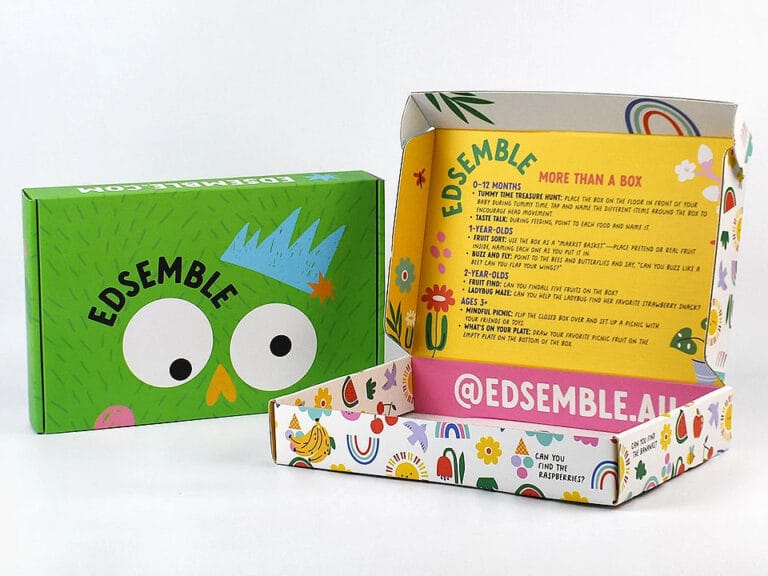
If you’re shopping categories, start with the shipping workhorse section: Printed Corrugated Boxes. That page speaks directly to “shipping durability + branding,” which is exactly what most cross-border programs need.
In packaging ops, you’ll hear “OCC” a lot. It means Old Corrugated Containers, basically the recovered box stream.
Why does OCC matter? Because it’s the base of the loop:
old boxes → recovered fiber → new containerboard → new boxes
That loop stays alive because corrugated has:
This is the part many brands miss: “recyclable” isn’t enough. You want “recyclable + actually recovered + actually reused.” Corrugated has a better shot at all three.
Most “sustainability problems” in shipping look like this:
you shipped air.
Oversized cartons blow up DIM weight, wreck pallet density, and force you to add more void fill. It’s also a customer experience issue. Nobody loves opening a giant box to find a tiny product rattling around like a coin in a jar.
Right-sizing fixes a lot, fast:
Want a practical way to talk about this without sounding like a lecture? Use fulfillment language: “pack-out speed, damage rate, and cube discipline.” Those words hit real pain.
If your packaging lineup includes both retail and shipping layers, Zhibang’s catalog view helps you match formats by scenario: Products.
Eco-friendly packaging fails when it slows down the line. Your warehouse team will tell you the truth with their hands. If the box is annoying, they’ll over-tape it, under-close it, or skip steps when volume spikes.
Here’s the ops reality:
So the best “green move” is boring but powerful: engineer the structure so it packs fast and protects by design.
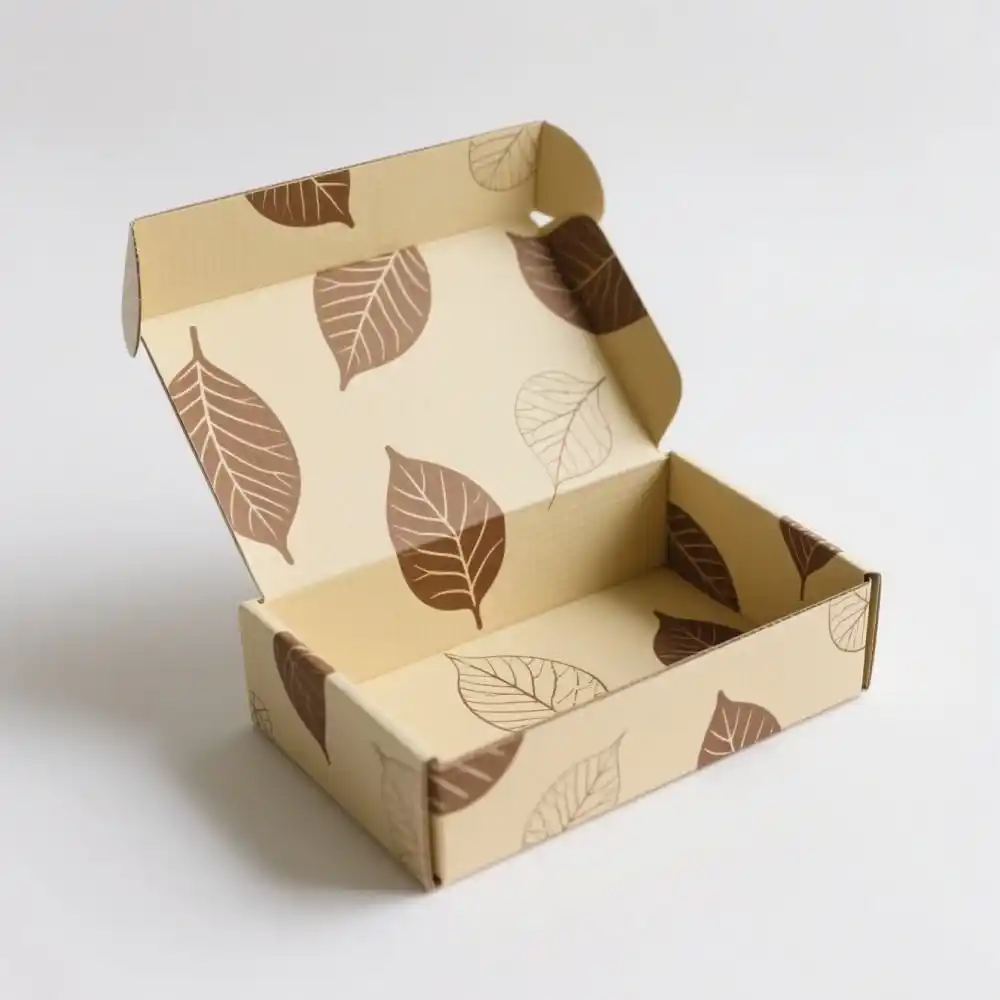
For e-commerce, corrugated mailers with a tab-lock build can reduce tape. It’s not magic. It’s just smart dielines and good creasing.
If you want your box to behave nicely in recycling, don’t ignore the “small stuff.” In the real world, inks, adhesives, and coatings matter.
Sustainable corrugated programs often lean on:
This doesn’t mean “no print.” It means print in a way that keeps the material stream friendly. Heavy plastic lamination and weird hybrid layers can make the box harder to process, depending on local systems.
If you’re trying to keep the unboxing premium while staying fiber-first, you can use clean finishes, restrained spot effects, and smart artwork coverage. You can still look expensive without building a recycling headache.
Now the uncomfortable truth: corrugated isn’t automatically lower-impact in every case.
A published LCA case study showed a corrugated option can end up with the highest footprint in a scenario where:
So don’t turn “paper = good” into religion. Keep it practical.
Here’s how you avoid the paper-weight trap:
This is where a supplier with structural design support helps. It’s not just “make a box.” It’s “make a box that survives your route.”
Printed corrugated is a sweet spot for a lot of brands because it solves two fights at once:
It’s also flexible for different scenarios:
If you want that combo, browse Printed Corrugated Boxes and look at how they talk about “durable + vivid branding.” That phrasing matches what customers actually care about.
One more practical note: inside print is cool, but don’t overdo it. Small text can get messy on uncoated stocks, and then it looks cheap. Keep it simple.
A lot of smart shipping programs use a two-layer system:
Folding cartons work well when you want crisp print, clean folds, and fast packing. The structure is light, and the look is sharp.
For that category, here’s the direct path: Folding Cartons.
This format shows up a lot in cosmetics, electronics, food, and any product that needs “retail ready” presentation but still ships through parcel.
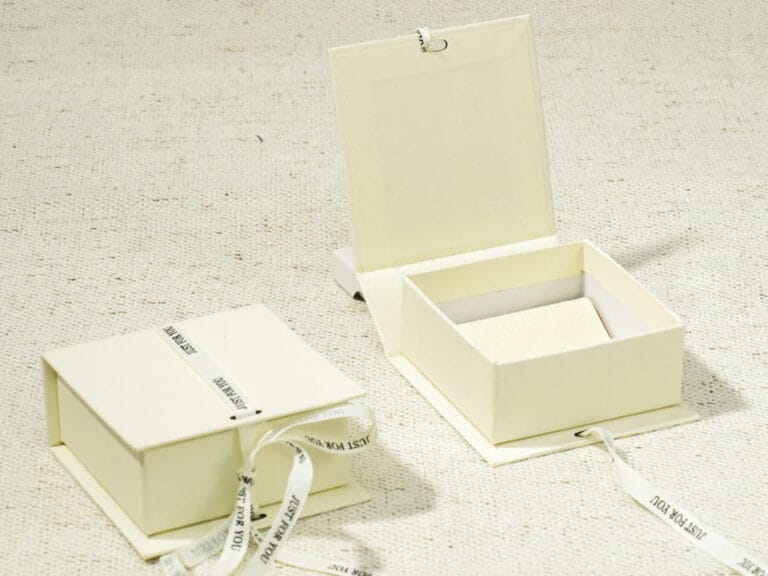
Gift boxes aren’t shipping boxes. They’re presentation tools. And they’re emotional. People judge value before they even touch the product.
If you want premium, start here: Paper Gift Boxes.
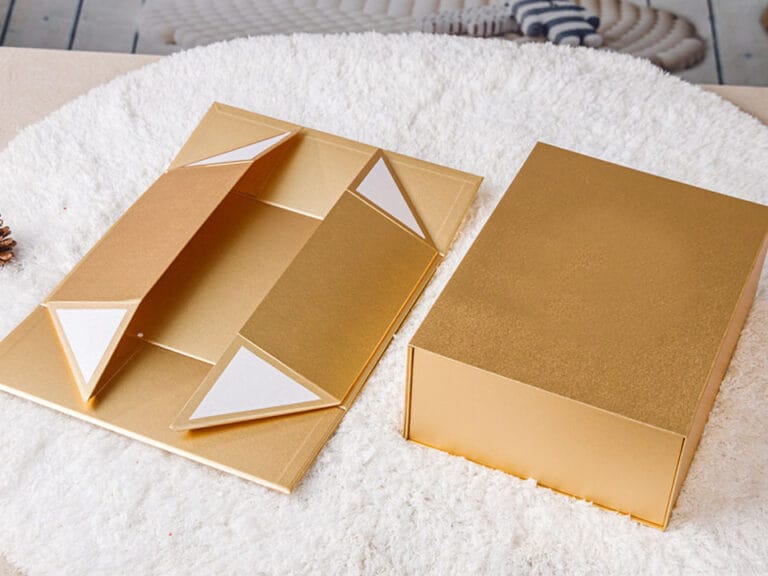
If you want premium and better logistics, collapsible rigid formats help because they ship flat and store easier. That’s huge when you’re running multiple SKUs and you hate warehouse clutter.
See that format here: Collapsible Gift Boxes.
One simple rule: if you ship gift boxes DTC, don’t ship them naked. Put them in an outer corrugated mailer. Otherwise, your “premium” box arrives with dented edges, and the whole mood dies.
Paper tubes are a clean fit for products that want:
They’re common in cosmetics, food supplements, and giftable sets. You get “round shelf impact” without jumping to plastic containers.
If that’s your scenario, check Paper Tube Packaging.

Sustainability claims don’t survive sloppy production. Customers notice:
That’s why an ISO-style system matters. Not because it sounds fancy, but because it reduces the dumb problems that create waste. Zhibang positions its factory around ISO 9001 quality management and also mentions FSC certification in its brand materials. That’s the type of baseline buyers expect when they ship into multiple regions with different retailer rules.
If you want fewer surprises, use this checklist. It’s not “creative,” but it saves your inbox.
| Spec keyword | What it controls | Why you care (real pain) |
|---|---|---|
| Flute (E / B / C) | thickness + cushioning | wrong flute = crush or wasted space |
| ECT / BCT | compression strength | prevents corner crush and stack fails |
| Box style (mailer / RSC / die-cut) | speed + protection | faster pack-out, fewer tape mistakes |
| Right-sizing | cube + movement | stop DIM weight pain, stop rattling |
| Insert strategy | product stability | reduces returns and “broken on arrival” |
| Print coverage | brand + recyclability | don’t trap yourself with heavy laminates |
| Adhesives / inks | stream friendliness | water-based / soy options often safer |
| Sampling + drop tests | route proof | your route is the test, not the spec sheet |
If you want a clean way to move from “idea” to “spec,” Zhibang keeps the intake simple here: Need A Quote. Share size, artwork, box type, and shipping scenario. Then you can get samples and iterate before you scale.