Talk To Our Boss If You Didn't Find The Solution
Our boss, Alanna will ask our team to find out the solution very soon! You must be satisfied with our services!


If your apparel line still treats packaging like “the last step,” you’re probably paying for it every day. Not in a dramatic way. More like death by a thousand tiny stops: change parts missing, labels backing up, cartons not squaring, gift boxes scuffing, operators doing micro-adjustments that nobody documents.
And when your mix includes shoe boxes, shirt boxes, and lingerie gift boxes, the problem isn’t that any one format is hard. It’s that the line has to switch personalities all day long.
This is an argument piece, so I’ll say it straight:
A real packaging line upgrade is a changeover upgrade first. Then you stabilize quality. Then you scale speed. If you chase speed first, you’ll just jam faster.
Below I’ll lay out practical upgrade moves, the KPI logic behind them, and how Zhibang Packaging fits naturally as the box partner when you’re running mixed formats across global shipments.

Changeover is where OEE goes to die. Your line can look “fast” on paper, but if it takes forever to move from shoe boxes to shirt cartons (and then back again), your average output stays flat.
Tool-less changeover means:
In the field, packaging equipment upgrades often aim for sub-minute or “a few minutes” format swaps using tool-less adjustments and recipe settings. That’s not luxury. That’s survival when your SKU list explodes.
A good upgrade doesn’t rely on the one operator who “just knows.” It puts format setup into the HMI:
This approach shows up a lot in upgrade case studies from packaging engineering media because it cuts setup variation. And variation is what causes the weird stops that nobody can reproduce later.
One widely discussed benchmark from packaging industry case studies: control upgrades (PC-based architecture) have achieved 80%+ changeover time reduction in certain case packing scenarios. You don’t need the exact same stack. But it proves the point: controls and software can be a bigger lever than buying another machine.
When you mix box styles, you also mix product handling. Shirts slide. Lingerie sets shift. Shoe boxes take more footprint. If your pick-and-place relies on “perfect presentation,” the line will look great only during demos.
Vision-guided handling closes that loop:
This is one of those upgrades that doesn’t just boost speed. It boosts stability, which is usually what you really want.
You can’t ship what you can’t label. Apparel teams get slammed by:
In real distribution scenarios, automatic label print/apply systems have been deployed at rates like 100 cases per minute across two lines (benchmark reported in a major DC integration application brief for an intimate apparel retailer). That number matters because it shows labeling can be engineered as throughput, not as a “manual station.”
If you’re seeing cartons stacking up before shipping, your bottleneck might not be packing. It might be labeling.
Here’s the dirty secret: many “packaging line upgrades” for apparel happen in the warehouse, not the factory. Because apparel is SKU-heavy, order profiles vary, and eCommerce ruins nice clean batching.
In a real DC upgrade case (intimate apparel retailer), the solution included:
This is basically put-wall thinking, industrialized. It reduces mis-sorts, keeps WIP flowing, and prevents pack stations from drowning.
If your current workflow is “pick cart → pack bench → hope for the best,” you’ll feel this immediately.
This part isn’t sexy, but it’s where upgrades actually work.
Before you automate, you standardize:
Shoe box guidelines in packaging manuals often specify strict max dimensions and carton rules for transport consistency. The exact numbers vary by program, but the lesson is always the same: a line can’t run smoothly if every SKU is an exception.
So don’t start with robots. Start with a spec sheet that your team actually follows.

| Upgrade lever (keyword) | What it solves (pain you feel) | Benchmark / data point used in industry | Source type (no links) |
|---|---|---|---|
| Changeover time reduction | Downtime between formats, missed ship cutoffs | 80%+ changeover reduction reported in controls-driven upgrade cases | Packaging engineering media case study |
| Tool-less changeover | Setup errors, tool hunting, inconsistent adjustments | Sub-minute / few-minute changeover targets reported in modern format-flex lines | Packaging equipment upgrade examples |
| Vision-guided pick and place | Mis-picks, crushed product, rework at infeed | Vision used to register position/orientation and guide automated loading | Packaging automation upgrade examples |
| Automatic label print/apply | Label backlog, compliance misses, relabel loops | 100 cases/min across two lines reported in a DC compliance labeling scenario | DC integration application brief |
| Put-wall style packing sortation | Mis-sorts, slow pack-out, WIP pileups | Multi-station induction + hundreds of chutes used in apparel fulfillment | DC integration application brief |
| Recipe-driven setup (HMI guided steps) | Tribal knowledge, operator-to-operator variation | Guided setup + stored recipes used to stabilize frequent changeovers | Packaging line upgrade examples |
You can use this table internally when you pitch CapEx or a staged retrofit. It ties each upgrade to a real symptom.
Shoe boxes aren’t just “bigger cartons.” They get abused in stacking, pallet moves, and last-mile handling. Common pain points:
In many shoe programs, brands use:
If you’re building for speed + durability, start here on Zhibang’s site:
Those categories map cleanly to retail-ready + ship-ready workflows, which is what most apparel operations actually need.
Shirt boxes are light, but shirts crease, and customers notice when the pack-out looks sloppy. Folding cartons help because they:
Zhibang’s folding carton capability fits this scenario well:
If you’re doing kitting (shirt + insert + hanger card), folding cartons also reduce “dunnage chaos” at the bench.
Lingerie gift packaging is where “premium” actually matters. Customers open it slow. They look at edges, texture, fit, and alignment.
Operationally, lingerie gift boxes often fail in two ways:
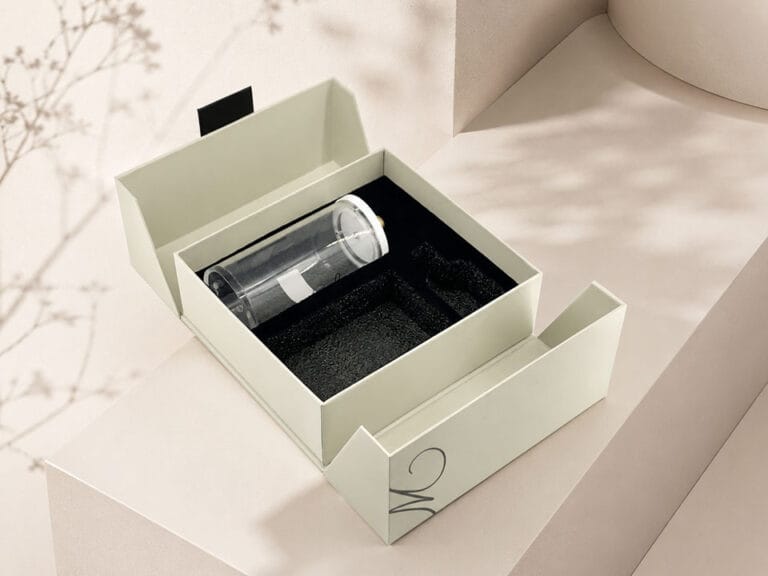
Drawer boxes are a practical structure here because they control presentation and protect edges:
Also, if you ship delicate apparel (gowns, bridal, lace-heavy items), structural reinforcement isn’t optional. This is a helpful reference on Zhibang’s site:
No fake stories needed. These are the real failure modes that show up in QA photos every week.

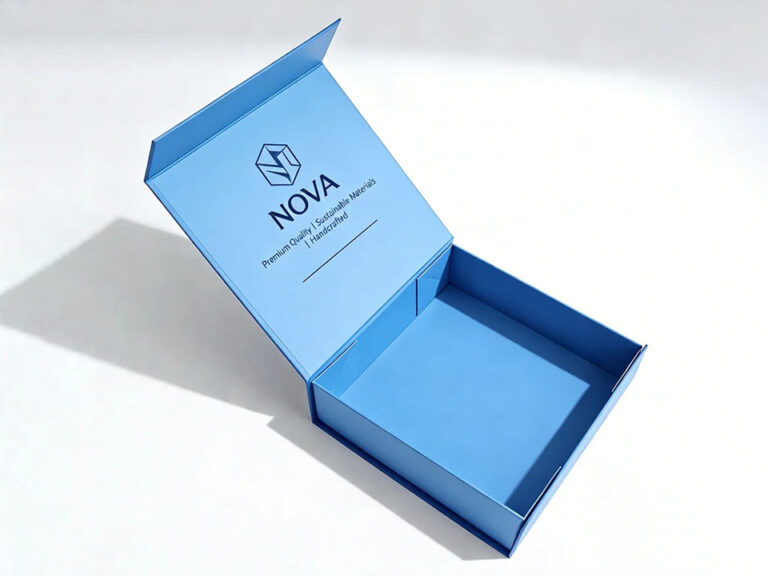
If you do seasonal drops, bundles, or influencer kits, you’ll love collapsible rigid boxes because they:
Here’s the category:
This is one of the easiest ways to reduce storage pain without downgrading presentation.
A packaging line upgrade doesn’t hold if your supplier can’t hold spec. Period.
Zhibang Packaging supports OEM/ODM customization, produces paper-based packaging across multiple industries, and runs under an ISO 9001 quality management system (as you provided). That matters because:
If you ship globally, consistency matters even more. A box that’s “almost right” becomes a nightmare when it’s already in market.
Relevant Zhibang pages to keep your buyers aligned:
That last one is important because many apparel brands now treat sustainability as a compliance requirement, not a slogan.
Let’s be honest about why companies do this. They upgrade because they want:
And yeah, they want packaging that sells the product. A lingerie gift box isn’t just a container. It’s part of the item. Same for premium shoes.
Zhibang Packaging fits naturally here because it’s not a “one box only” supplier. It can support:
So your line doesn’t have to juggle 4 suppliers just to support 3 box types. That alone removes a lot of friction.