Talk To Our Boss If You Didn't Find The Solution
Our boss, Alanna will ask our team to find out the solution very soon! You must be satisfied with our services!


Glass fails fast.
I’ve watched “premium” launches eat refunds because the team obsessed over foil and forgot the physics: a 250g cap becomes a little hammer at impact, the neck takes the hit, and your gorgeous perfume box design turns into an expensive apology letter once it meets cross-border handling, vibration, and rushed last-mile drops.
So what are we actually designing—an object, or a damage rate?
I’m going to say the quiet part out loud: most “luxury look” packaging is cosmetic surgery on a weak skeleton. And the industry rewards it. Until e-commerce.
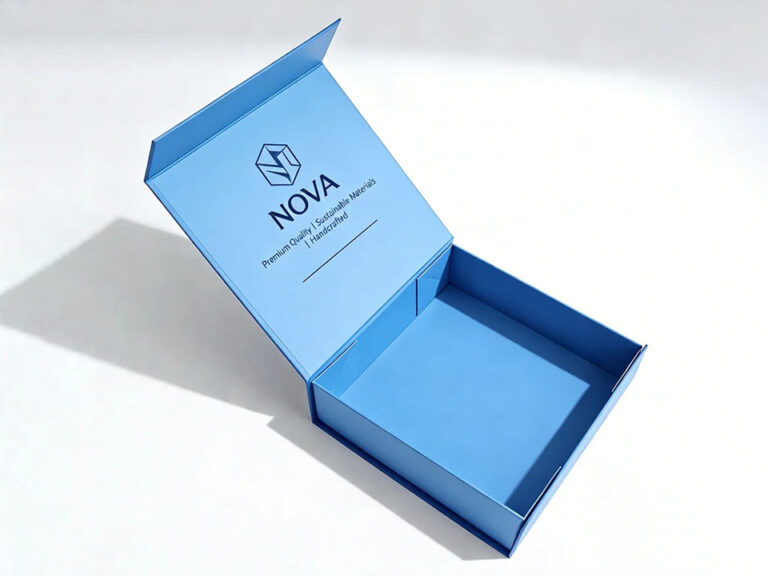
If you need a baseline of what serious custom perfume boxes look like when the structure is treated like engineering (not vibes), start with Zhibang’s custom perfume boxes built for tight fits and protective inserts.
People love arguing about finishes. Procurement loves arguing about price. Warehouse teams just want fewer broken bottles.
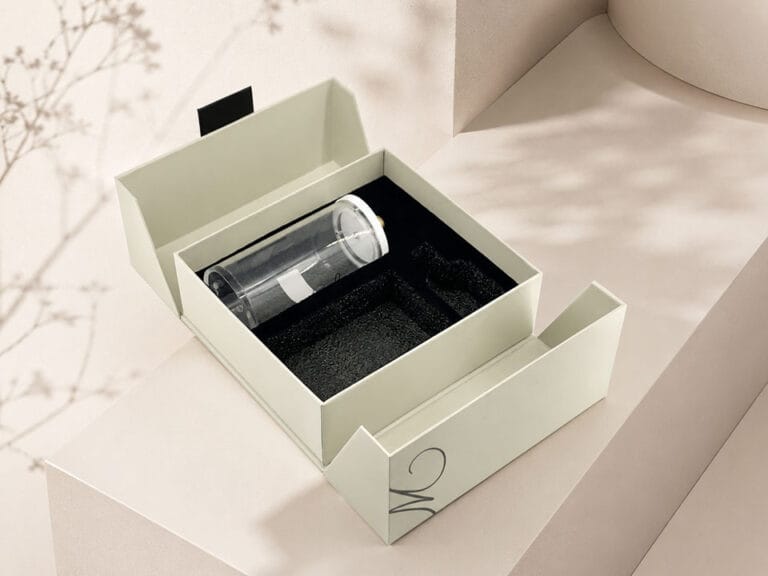
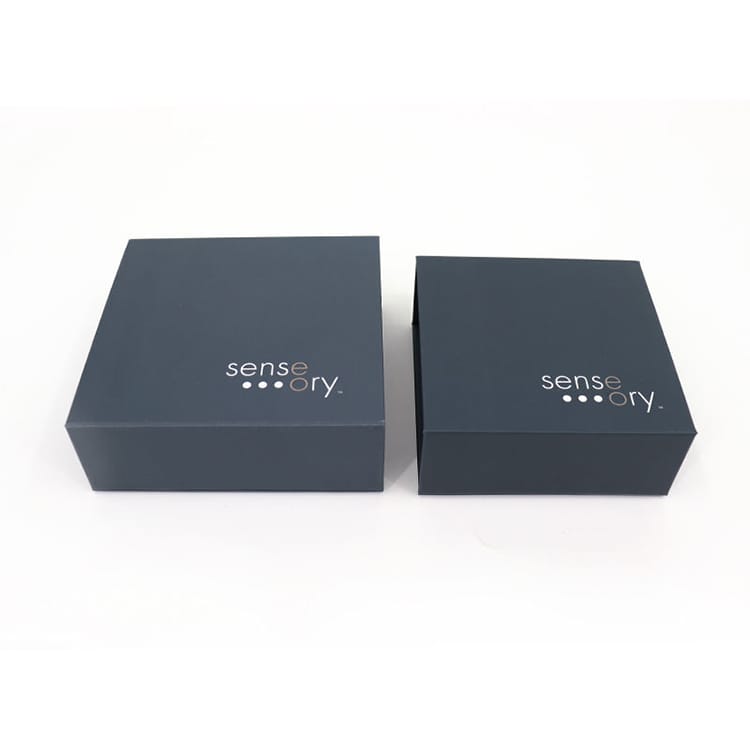
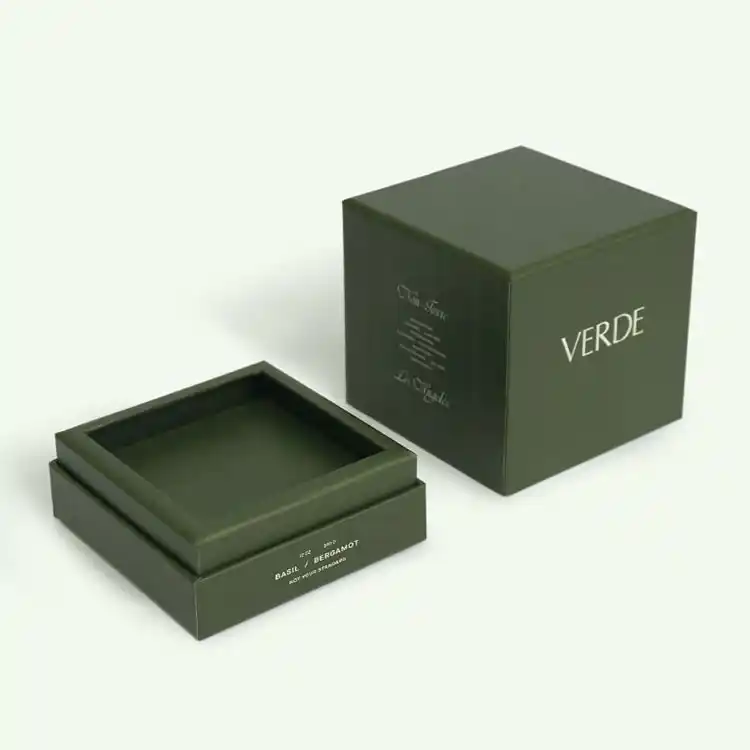
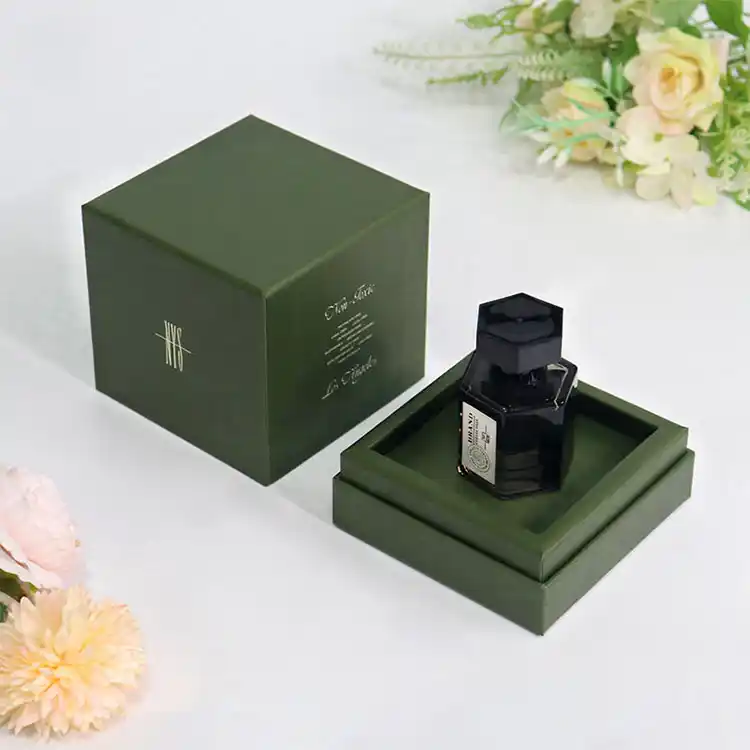
What actually works is boringly consistent: bottle + insert + rigid shell + shipper. Zhibang even lays it out in plain language—insert choices (EVA, pulp, paperboard), rigid structures (lid-and-base, shoulder, drawer), and then the outer corrugated shipper with clearance and fill—because perfume packaging design that ignores transit is just decoration.
Here’s what I look for first, before anyone shows me a moodboard:
And yes, fragrance chemistry matters. Many formulas are ethanol-heavy (C₂H₆O), so leaks aren’t just waste—they’re reputation damage, and sometimes transport restrictions depending on how you ship.
Three words: Inserts run outcomes.
If your bottle can rattle even 2–3 mm inside the cavity, vibration does the rest, and over a few thousand miles it will behave like a tiny percussion instrument—tap, tap, tap—until the glass finds its weakest point or the pump collar loosens.
Still think the insert is “optional”?
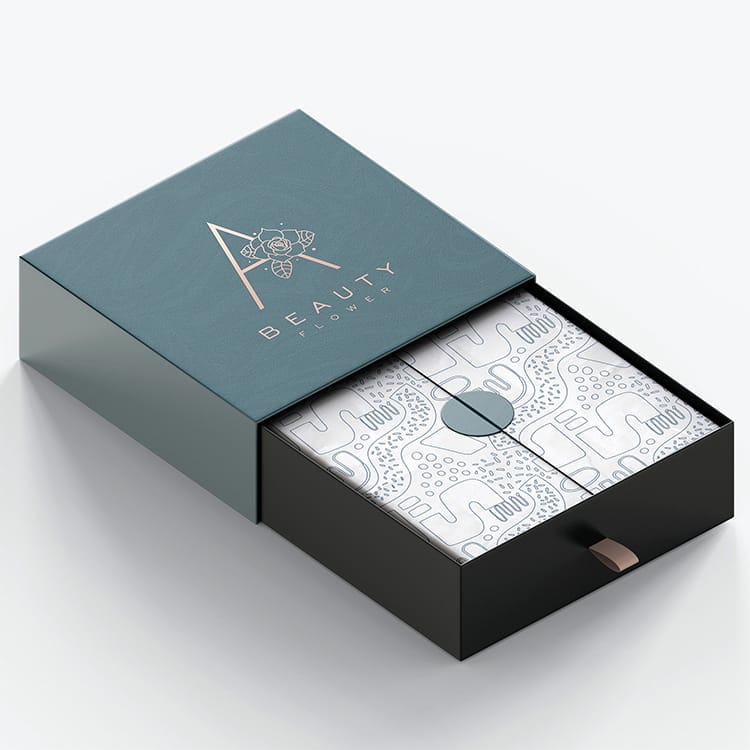
If you want visual references that match real protective logic, compare a drawer structure like sliding drawer perfume boxes with foam protection versus a lid-and-base build like perfume lid-and-base boxes with EVA foam. Those are two common “safe bets” when the bottle is heavy, oddly shaped, or the cap is metal.
My unpopular opinion: EVA foam wins when damage is expensive, even if your sustainability team groans. Molded pulp can be excellent, but only when tolerances are controlled and the bottle geometry is friendly. Paperboard inserts are clean and brand-cohesive, but they’re not your savior for a thick glass bottle with a weighted cap.
Luxury perfume packaging loves talking about “feel.” Fine. But the material stack is a confession.
Example: rigid board around 1200 gsm with a 157 gsm wrap is a classic premium build because it resists crush, stays square, and holds registration better when you start stacking effects. It’s not magic. It’s just structure doing its job.
Then finishes. I’m not anti-foil. I’m anti-foil-as-a-substitute-for-engineering.
If your team wants the “luxury signals” (foil, embossing, spot UV) without turning the box into a scuff magnet, Zhibang’s breakdown is a practical checklist: added processes add risk—dies, makeready, registration, curing, callbacks—so you either plan it or you pay for it later. Use this as your internal alignment doc: foil, embossing, and UV finishes that actually hold up.
When fragrance demand spikes, copycats multiply. That’s not cynicism; that’s Tuesday.
And if you think your bottle/box “look” is protected by vibes, read the U.S. Supreme Court’s 2023 decision in Jack Daniel’s Properties, Inc. v. VIP Products LLC—the Court held that when someone is using the mark as a source identifier, the shortcut “Rogers test” doesn’t apply the way some defendants want, and the fight goes back to the standard confusion analysis.
Packaging takeaway: if you’re building distinctive trade dress, you need to keep an eye on functionality. Protective structures are often functional. The more your “signature” feature is doing real work (holding, locking, preventing breakage), the harder it can be to claim exclusive rights later. This is why premium brands separate “identity signals” (graphics, pattern language, typography, certain nonfunctional shapes) from pure protection.
Europe is moving toward a world where “recyclable” becomes baseline, and the marketing claims get policed. The European Commission’s PPWR stakeholder materials even raise the blunt question: once recyclability is legally required after 2030, can brands still claim “recyclable” as a differentiator?
Translation: stop building packaging that needs excuses.
So yes—reduce mixed-material nightmares (some laminates + metallized layers + plastic windows + magnets), but don’t pretend a fragile bottle can survive global logistics on wishful thinking and 300 gsm board.
Fragrance is not limping. Suppliers are reporting strong momentum tied to scent demand.
In October 2024, Reuters reported that Symrise forecast 7% annual organic sales growth, up from its earlier 5%–7% range, with quarterly revenue around €1.26B, and segment growth called out across both taste and scent divisions. That’s the upstream signal: brands are ordering, launching, restocking.
When launches accelerate, packaging mistakes scale faster than your team’s ability to patch them.
| Component | Best for | Typical spec you’ll see | Failure mode I see in the wild | What I’d do instead |
|---|---|---|---|---|
| Rigid box (lid-and-base) | Prestige + gifting | 1200 gsm rigid board + 157 gsm wrap | Bottle “floats” because cavity is oversized | Tight cavity + top pad + EVA or pulp with controlled tolerance |
| Drawer + sleeve structure | E-comm + premium unboxing | Drawer tray + outer sleeve | Sleeve scuffs, drawer shifts under vibration | Matte varnish/lamination choice + anti-shift stops + snug insert |
| EVA foam insert | Heavy glass + metal caps | CNC-cut EVA, sometimes velvet-wrapped | “Eco” backlash, or foam looks cheap if unwrapped | Wrap the foam, or use molded pulp when geometry allows |
| Molded pulp insert | Eco-forward brands | Custom pulp tooling | Poor fit leads to rattle; dusting | Specify tighter tolerance + surface treatment + top/bottom pads |
| Paperboard insert | Light bottles, tight budgets | Folded paperboard | Corner crush + neck snap on drops | Reinforce shoulder/neck zones; use corrugated shipper correctly |
| Outer shipper (corrugated) | Transit protection | Double-wall corrugated | Pretty primary box arrives smashed | Use printed corrugated shipping boxes engineered for delivery with clearance + fill plan |
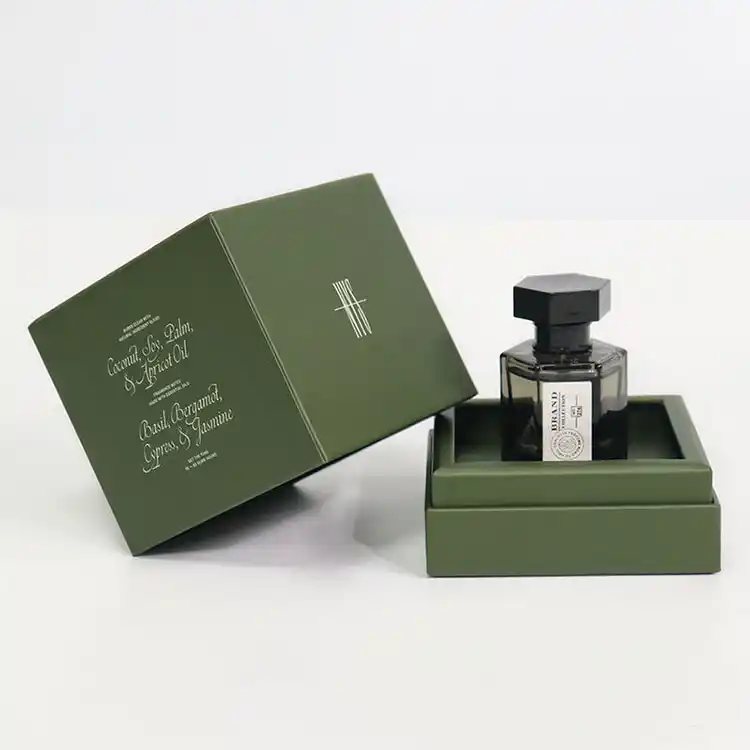
Perfume packaging design is the end-to-end engineering and branding of a fragrance pack—bottle fit, insert geometry, rigid or folding structure, print/finish stack, and shipping protection—built to signal luxury while controlling breakage, scuffing, leakage, and compliance risks across warehousing, transport, retail display, and e-commerce delivery.
In practice, I treat it like two parallel jobs: brand theater (look/feel) and damage control (physics). If either one is missing, you pay.
The best protective packaging for perfume bottles is a system combining a rigid primary box, a precision insert (often EVA foam or molded pulp), and a correctly sized corrugated shipper with controlled clearance and cushioning—designed to prevent bottle movement, absorb impact energy, and stop cap/neck stress during vibration and drops.
If your bottle is heavy or the cap is metal, I lean EVA first. If your geometry is friendly and you want eco optics, molded pulp can work—when tolerances are real.
Designing luxury perfume packaging without sacrificing durability means choosing premium cues (foil/emboss/UV, textured wraps, precise reveals) only after the structural fundamentals are locked: center-of-gravity support, tight cavity tolerances, anti-rattle top pads, crush-resistant rigid board, and a shipper plan that survives vibration and handling without scuffing the retail box.
Start with structure, then add shine. Not the other way around.
Perfume packaging materials that perform best for shipping are high-caliper rigid board for the primary box, energy-absorbing inserts like EVA foam or well-fitted molded pulp for immobilization, and double-wall corrugated for the outer shipper—because they combine crush resistance, impact absorption, and stability under vibration, while minimizing cosmetic damage like scuffs and corner blunting.
If you’re shipping globally, your corrugated shipper is not optional—it’s the insurance policy you control.
Sustainability rules are changing how fragrance packaging is built by pushing brands toward “designed-to-be-recyclable” structures, reducing composite material stacks, and tightening what claims can be marketed as differentiators—especially in the EU where PPWR-related guidance is already discussing how recyclability claims may become baseline and therefore less claimable after 2030.
The near-term move: fewer mixed materials, smarter coatings, and inserts that don’t force landfill outcomes.
If you want perfume packaging design that looks like luxury perfume packaging and behaves like protective equipment, stop guessing. Send your bottle dimensions (including cap weight), target markets (EU/US), and shipping method, then benchmark against proven structures like custom perfume boxes with engineered inserts and the practical testing mindset in perfume packaging engineering for fragile bottles. I’d rather argue about tolerances today than explain breakage rates next month.