Talk To Our Boss If You Didn't Find The Solution
Our boss, Alanna will ask our team to find out the solution very soon! You must be satisfied with our services!


Shipping electronics is basically sending tiny glass, solder joints, and connectors on a rollercoaster. Conveyors slam. Trucks hum for hours. Someone drops the parcel on a doorstep like it’s a gym bag. If your packaging system isn’t built for that reality, you’ll feel it fast: higher damage rate, more “arrived DOA” complaints, and RMAs piling up on Monday morning.
So here’s my argument: a “nice-looking box” isn’t enough. For consumer electronics, you need a packaging system that lines up with real distribution hazards—drops + random vibration—and you need to validate it against widely used test standards.
At Zhibang Packaging, we build paper-based packaging systems (rigid boxes, folding cartons, corrugated shippers, mailers, inserts) and we design them around the stress types these standards target—then we document the results like grown-ups. Our factory runs under ISO 9001:2015 processes, with in-house engineering and scalable production capacity for global programs.
If you want the quick takeaway, this table shows the “why” and the “how.”
| Standard keyword | What it stresses (plain English) | What usually fails in electronics | Packaging moves that fix it |
|---|---|---|---|
| ISTA Procedure 3A | Parcel delivery simulation for individual packs (air/ground). Up to 70 kg / 150 lb. | Loose product movement, corner hits, cosmetic scuffs turning into “used product” vibes | Tight pack-out, anti-migration inserts, corner/edge reinforcement, closure that stays shut |
| ASTM D5276 | Free-fall drop impact on loaded containers; compares package designs. | Corner crush → device shifts → screen/PCB stress; accessory parts punching through | Control headspace, protect corners, add crush zones, stop internal “ping-pong” |
| ASTM D4728 | Random vibration on filled shipping units; evaluates ruggedness + protection. | Fretting wear, rubbed coatings, connector micro-damage, “mystery rattle” | Lock-in fit, surface protection, keep parts from micro-sliding, secure closures |
| ISO 13355:2016 | Vertical random vibration on complete filled transport packages; assesses strength/protection. | Same vibration failures, plus weak stacks under long haul | Tune cushioning + board grade, stabilize top-load, prevent drift on vibration table |
| ISTA 6-Amazon.com-SIOC / Over-Boxing | E-commerce test blocks used by Amazon programs; includes vibration system requirements | “Pass the lab, fail in FC” issues from bad alignment, weak closures | Design ship-ready, follow the test blocks, prep for fulfillment touchpoints |
ISTA 3A is popular because it speaks the language of parcel delivery. It’s built for individually packaged products shipped through carriers, and it covers packages up to 70 kg (150 lb).
Argument we stand on: Pick the distribution profile first, then design the box.
If your scenario is DTC parcel, 3A logic makes sense. If you’re palletizing for retail DCs, you’ll often choose a different profile. Getting this wrong is like buying snow tires for a beach trip.
What we do in a 3A-style workflow looks like this:
If you want to see how we frame electronics packaging as a system (not just a box), start here: Custom Consumer Electronics Boxes and Protective Packaging for Electronics.
ASTM D5276 is straight to the point: it evaluates how a loaded container handles the shock of a free-fall drop, and it’s also used to compare different package designs.
Argument we stand on: Corners don’t forgive you.
Most ugly failures start at corners and edges. A small corner crush can create just enough internal clearance for the product to shift. Then the next impact lands differently. That’s when you get “it worked at the factory, arrived dead.”
So we design around three boring (but critical) ideas:
A real, non-fiction example from our catalog: a rigid drawer box with EVA foam. The foam isn’t there for vibes. It’s there to stop migration and protect surfaces during handling. See: Paper Drawer Box For Electronics Packaging With EVA Foam.
Vibration is sneaky. Drops are dramatic, vibration is death by a thousand tiny moves.
ASTM D4728 covers random vibration testing of filled shipping units and helps assess container performance, interior packing, and closures under random vibration inputs.
Argument we stand on: If it can slide, it will slide.
In electronics, vibration issues show up as:
Packaging fixes are pretty practical:
For shipping-focused structures, this category is a good starting point: Printed Corrugated Boxes. If you want a concrete mailer-style build, here’s one: Custom Double Wall Color Printed Corrugated Mailer Gift Box.
ISO 13355:2016 specifies a method for vertical random vibration on complete, filled transport packages and unit loads, and it’s used to assess strength and protection under vibration.
Argument we stand on: Global shipping isn’t one vibration profile.
If you ship across regions, the route can include long-haul trucking, sea freight, air segments, and warehouse dwell time. That’s a lot of “table time” in the real world.
So we think in system terms:
That’s why we often pair a retail rigid box with a corrugated shipper, instead of hoping one pretty box does everything. One box trying to do two jobs usually does both… kinda bad.
If you sell on Amazon, this part matters. Amazon test documents for their e-commerce blocks specify that the random vibration test system should comply with the apparatus section of ISO 13355 or ASTM D4728.
Argument we stand on: Passing Amazon programs is a packaging design problem, not a paperwork problem.
SIOC (“Ships in Own Container”) pushes you toward ship-ready packaging. That means:
This is where “industry black talk” becomes real pain relief:
Over-boxing is the other common path: your retail pack goes inside an outer shipping box. This approach can protect premium unboxing experiences while still surviving the warehouse-to-doorstep grind.
Argument we stand on: Overbox buys you margin for premium finishes.
Soft-touch lamination, foil, high-contrast print—these can look amazing, but they scuff if you ship them naked. Overboxing helps you keep that “fresh out the box” feel.
Zhibang’s electronics packaging focuses on retail-ready presentation plus engineered protection—think trays, inserts, and security details that make packing and kitting smoother.
Link: Custom Consumer Electronics Boxes
Here’s the part buyers actually care about: we build around your packing line reality. If your team needs fast pack-out, we’ll avoid fiddly structures. If you’re doing kitting, we’ll add clear component zoning. If your SKU has tolerance stack issues, we’ll tighten the insert geometry. Not magic, just engineering.
And yes, we can scale. The site details our in-house production capacity, engineering team, and ISO-guided QC process.
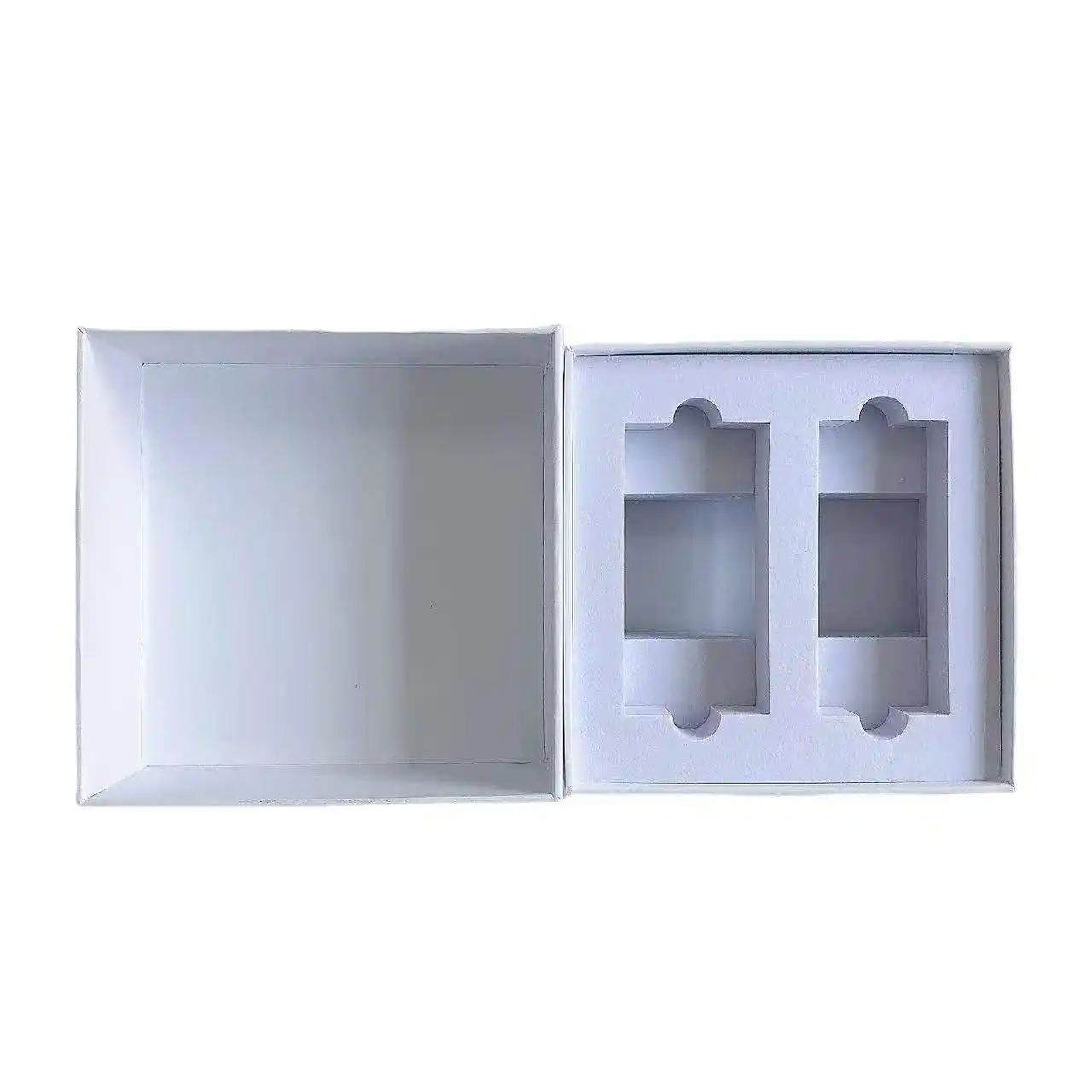
Corrugated is the workhorse for shipping. It handles compression, takes hits better, and plays nicely with SIOC-style needs.
Link: Printed Corrugated Boxes
Argument we stand on: Corrugated is your damage-rate insurance when the route gets rough.
It’s also branding real estate. If you ship DTC, your outer pack is your first physical ad.
Folding cartons shine for shelf + internal organization. They’re efficient, print clean, and they’re great as an inner pack inside a shipper.
Link: Folding Cartons
If you’ve got accessories (cables, manuals, spare tips), a carton can keep everything tidy so it doesn’t become a scratch factory during vibration. Simple fix, big effect.
Rigid paper gift boxes are the “premium lane.” They’re perfect when unboxing matters: launches, influencer kits, retail displays, or high-value electronics bundles.
Link: Paper Gift Boxes
A real example you can point to: Customized Hexagonal Cardboard Gift Box For Electronics. It’s rigid board + premium wrap—built to hold shape, protect product, and look sharp on camera. That “camera” part is not small. Reviews sell.
Flat-pack premium boxes help when you’re shipping packaging itself across regions or managing warehouse space.
Link: Collapsible Gift Boxes
Argument we stand on: Don’t pay in storage pain if you don’t have to.
Collapsible structures can keep the premium look while easing logistics. Not every program needs it, but when it fits, it’s a big operational win.
When your packaging aligns with drop + vibration reality, you get fewer “arrived damaged” messages, fewer RMAs, and fewer emergency re-shipments. Your ops team stops firefighting. Your reviews stay cleaner. Your brand looks more consistent across touchpoints.
That’s the whole point of saying: Our Consumer Electronics Boxes Meet Key Drop and Vibration Test Standards. It’s not a slogan. It’s a design discipline.
If you’re building or upgrading an electronics packaging line, start with the structure that matches your channel, then layer in inserts and validation:
And if you want Zhibang Packaging to help, these are the most relevant pages to bookmark: