Talk To Our Boss If You Didn't Find The Solution
Our boss, Alanna will ask our team to find out the solution very soon! You must be satisfied with our services!


Cartons aren’t magic.
I’ve watched otherwise-smart brands spend weeks arguing about finishes and inks, then lose real money—actual payroll money—because the closure style they picked added 0.7 seconds of fumbling per unit, multiplied by 80,000 units, multiplied by human hands that get tired and start missing tabs.
So… why do people still treat structure like an afterthought?
But here’s the ugly truth: “Folding carton styles” is basically code for operations. Not aesthetics. The style decides how fast you can pack, how many returns you eat, and whether your “eco” story gets quietly kneecapped by coatings, adhesives, and PFAS rules you didn’t bother to check.
I’ll say it out loud: if your carton choice isn’t made with line speed + product weight + closure friction + regulatory exposure in one mental picture, you’re guessing. And guessing is expensive.
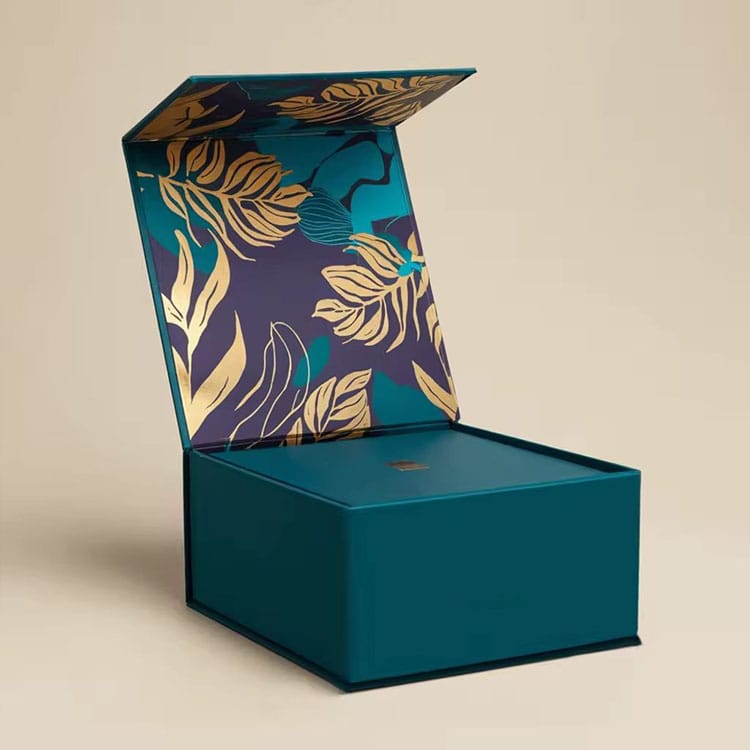
You’re really choosing a failure mode.
A tuck end folding carton fails by popping open, tearing at the tuck, or collapsing at the base under compression. A lock-bottom fails by mis-locking or skewing during erection. A snap-lock bottom (1-2-3 bottom) fails by… humans doing the steps wrong when they’re rushing. Pick the failure you can tolerate.
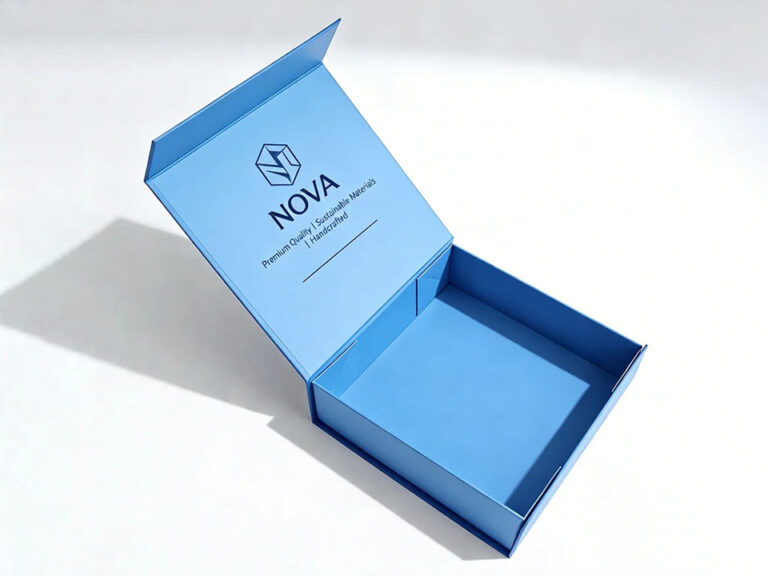
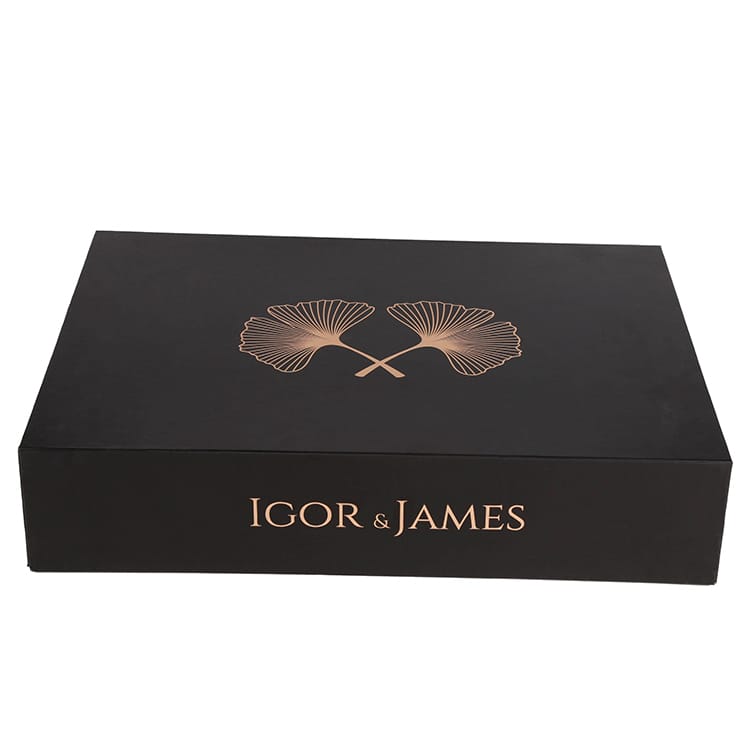
If you want examples of how manufacturers frame this in real specs and production notes, start with Zhibang’s overview of custom printed Folding Cartons—it’s the “core lane” most brands live in when they’re not doing rigid luxury.
Now the main menu of types of folding cartons most buyers actually debate:
Short. Clean.
Both top and bottom tuck in the same direction, which usually means the “front face” stays pretty and consistent—nice for cosmetics, electronics, anything where shelf presentation matters more than brute strength.
And yes, you’ll see STE used with fancy boards (SBS/C1S) in the 250–400 GSM range because print fidelity is the whole point. Zhibang even lays out those typical GSM ranges and board types in their practical guide on designing eye-catching folding cartons.
Cheaper. Faster.
Top and bottom tuck in opposite directions; it’s the “default” in a lot of FMCG and pharmacy because it runs clean on glue lines and doesn’t ask for hero-level hand skills when packing is semi-manual.
Do I prefer RTE? Sometimes. But only when the product is light enough that “cheap and fast” doesn’t turn into “returns and rage.”
This is the one people buy after they get hurt once.
Here’s the industry slang: crash-lock = “I need the bottom to stop pretending.” It erects quickly and holds weight better than tuck-bottoms because the base locks when you pop it open, instead of relying on a tuck tab that can slip under load.
It works. Usually.
And when you’re shipping heavier jars or anything that creates a point load (think 30–80 mm diameter glass), crash-lock pays for itself in reduced damage and faster packing. Zhibang’s broader structural rundown in Choosing the Right Box for Your Brand literally calls out auto-lock bottom and crash-lock as the “heavier jar” move.
The “manual labor special.”
Snap-lock bottoms can be strong, yes, and they’re common when you’re cost-sensitive but still need a sturdier base than a basic tuck. The catch is the assembly steps—if you’re hand-erecting thousands of units, you’re paying in time, training, and mistakes.
If your operation is “two temps and a deadline,” snap-lock can turn into a quiet nightmare. Not always. But often enough that I warn people.
Seal-end cartons are basically tamper resistance and shipping robustness, but you’re committing to gluing and sometimes tear-strip engineering. Hanger tabs? Retail peg life. They look trivial until your tab tears at the score and your product faceplants off a hook.
If you’re selling DTC, don’t ignore the outer shipper either. A retail carton can be perfect and still arrive wrecked unless it’s paired with something tougher like printed corrugated boxes for shipping protection (yes, boring corrugate—still wins a lot of battles).

Let’s talk risk, not vibes.
In October 2023, California’s Attorney General put it in writing: A.B. 1200 restricts the distribution or sale of food packaging containing regulated PFAS, and it explicitly uses a 100 ppm threshold measured by total organic fluorine as part of the definition framework.
Now zoom out.
In April 2024, the European Parliament adopted packaging measures with reduction targets (5% by 2030, 10% by 2035, 15% by 2040) and it also references PFAS restrictions in food contact packaging—meaning your board + coating + barrier choices can become a legal problem, not just a sourcing problem.
So when someone says, “Just add a grease barrier,” my first question is: which chemistry, which market, and who’s holding the liability if it trips a threshold?
Here’s the part people hate hearing: cartons can be “paper-based” and still behave like composite waste in the real world.
Reuters reported in August 2023 that Tetra Pak produced 193 billion cartons, and globally only about a quarter were actually recycled, largely because multilayer designs (paper + plastic + aluminum) are hard to process; Tetra Pak has been trialing aluminum-free structures to improve recyclability. That’s not a folding carton story exactly, but the lesson transfers: once you add barriers and layers, your neat “it’s paper” claim gets messy.
And yes, I’m cynical: recycling outcomes are systems problems. Your carton style can’t fix collection infrastructure. But your materials and structure can absolutely make things worse.
| Folding Carton Style | Typical Strength | Packing Speed (Reality) | Best Use Cases | Common Failure Mode | Cost Notes |
|---|---|---|---|---|---|
| Straight Tuck End (STE) carton | Medium | Fast on auto, decent by hand | cosmetics, small electronics, premium shelf | tuck tab tears or pops open | efficient dieline, good for high-print boards |
| Reverse Tuck End (RTE) carton | Medium | Very fast | pharmacy, FMCG, lightweight retail | scuffing at tuck edges, dust flaps misfold | usually the cheapest “looks fine” option |
| Auto-lock bottom carton / crash lock bottom box | High | Very fast erection | heavier jars, glass, supplements, small appliances | mis-lock if tolerances sloppy | slightly higher converting cost, often lower labor cost |
| Snap-lock bottom (1-2-3 bottom) box | High | slower by hand | small heavy items when budget is tight | bad assembly under time pressure | cheaper than crash-lock, costs more in labor |
| Seal-end carton | High | slower (glue/tear-strip) | tamper evidence, shipping-heavy retail | tear-strip failure, glue squeeze-out | adds steps and QA, but reduces pilfer/returns |
If you only remember one thing: weight and workflow beat aesthetics.
Ask these questions, in this order:
If you need a cost reality check tied to beauty cartons specifically, Zhibang’s piece on high-end cosmetic box printing vs standard is surprisingly candid about what “standard” really means (CMYK + basic lamination + easy-to-pack structure).
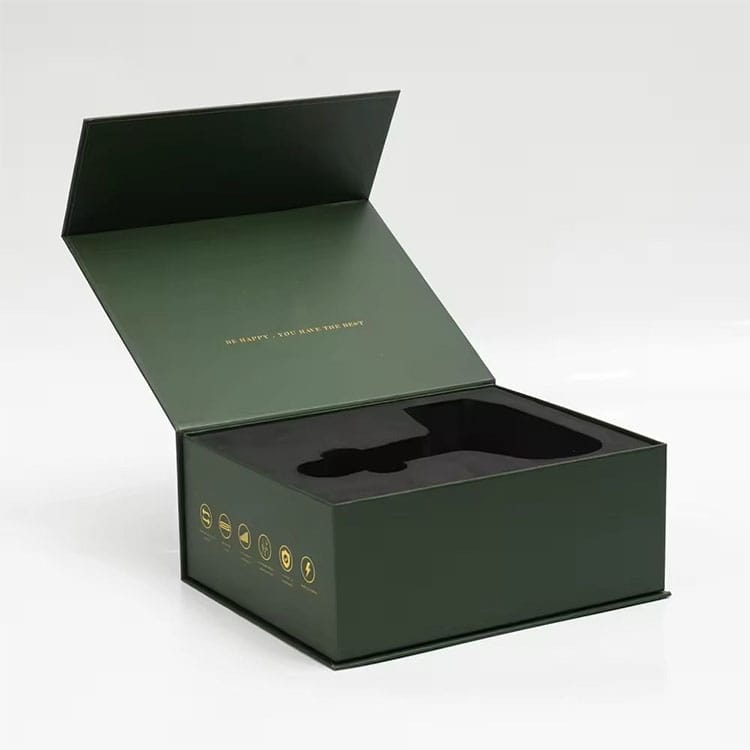
A folding carton style is the structural blueprint of a paperboard package—defined by how it’s die-cut, scored, glued, and closed—so it determines assembly speed, load-bearing strength, opening behavior, and compatibility with automation, coatings, and compliance requirements across markets.
After that definition, here’s the practical point: style is a labor decision. Your “cheap” carton can become your most expensive SKU if it slows packing or spikes damage.
A tuck end folding carton is a paperboard box that closes using tuck-in flaps (top, bottom, or both), relying on friction and tab geometry rather than a locked base, which makes it fast to run, easy to open, and common for retail products where moderate strength is enough.
STE and RTE are the two main tuck-end families; the difference is which direction those tucks face and how the front panel presents.
A straight tuck end (STE) carton has top and bottom closures that tuck in the same direction, while a reverse tuck end (RTE) carton tucks in opposite directions, affecting panel alignment, manufacturing efficiency, shelf presentation, and how stress concentrates around the tuck areas during packing and handling.
If you care about a “clean front,” STE tends to behave. If you care about cost and speed, RTE often wins.
An auto-lock bottom carton, also called a crash lock bottom box, is a folding carton with a pre-glued base that locks into shape during erection, giving higher bottom strength and faster setup than tuck-bottoms, especially for heavier products that create point loads during filling and shipping.
Translation: it’s the style you pick when you’re tired of bottoms failing.
A snap-lock bottom (1-2-3 bottom) box is a folding carton base that forms strength through interlocking panels assembled in a sequence of folds, offering a sturdier bottom than basic tuck styles but requiring more manual steps, which increases labor time and the chance of assembly errors.
It’s solid—when built correctly. The risk is humans under pressure.
If you want the shortcut: stop debating “pretty” until you’ve locked structure.
Send your product weight, dimensions, and packing method (hand vs machine), and ask for a structure recommendation plus a dieline sanity check. Start here with Zhibang’s custom printed Folding Cartons and, if you ship direct, pair it with printed corrugated boxes for shipping protection.