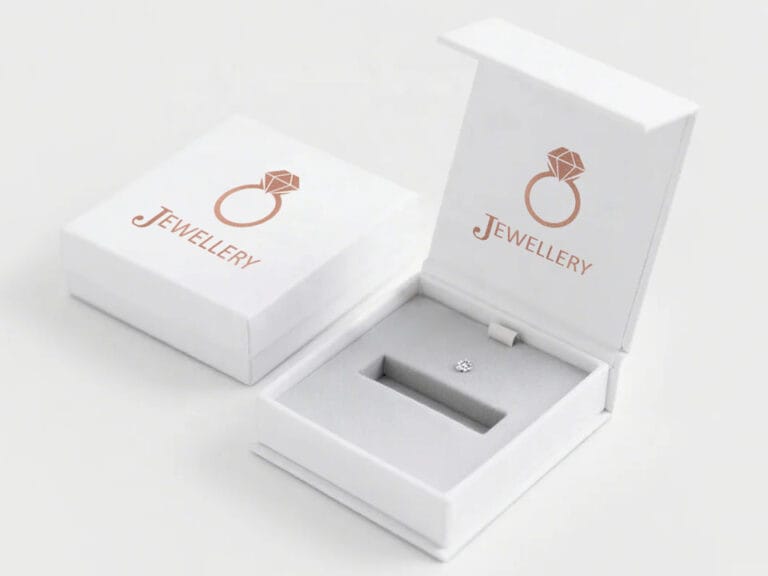
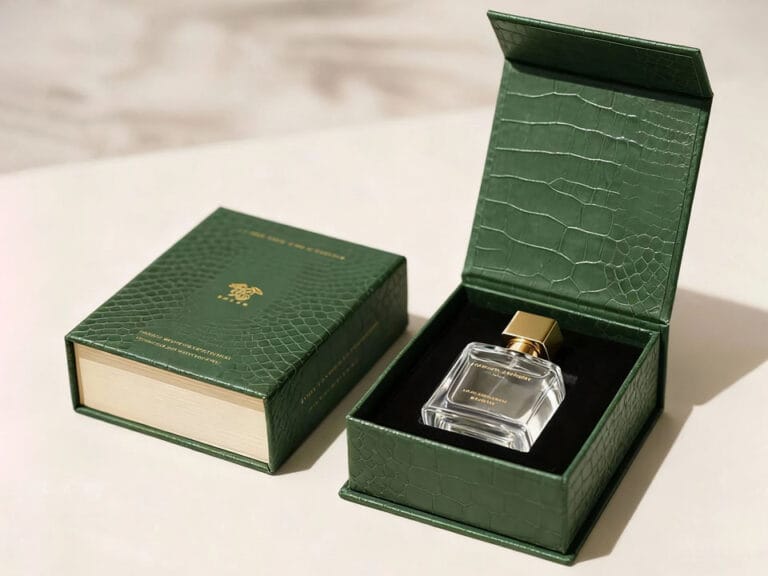
Talk To Our Boss If You Didn't Find The Solution
Our boss, Alanna will ask our team to find out the solution very soon! You must be satisfied with our services!


People call it “just a shipper,” but your box is doing three jobs at the same time: protect the product, move fast in ops, and sell the brand. If you miss one, you feel it right away—dented corners, scuffed print, slow pack-out, returns, and reviews that talk about the box instead of the product.
That’s why I’m arguing this: an eye-catching shipping box isn’t about louder graphics. It’s about tighter decisions. Start from the shipping scenario, lock the structure, then design inside the real print limits of corrugated.
If you want examples you can point to, Zhibang Packaging has a full line of Printed Corrugated Boxes and Shipping Mailer Boxes built for e-commerce and global delivery.
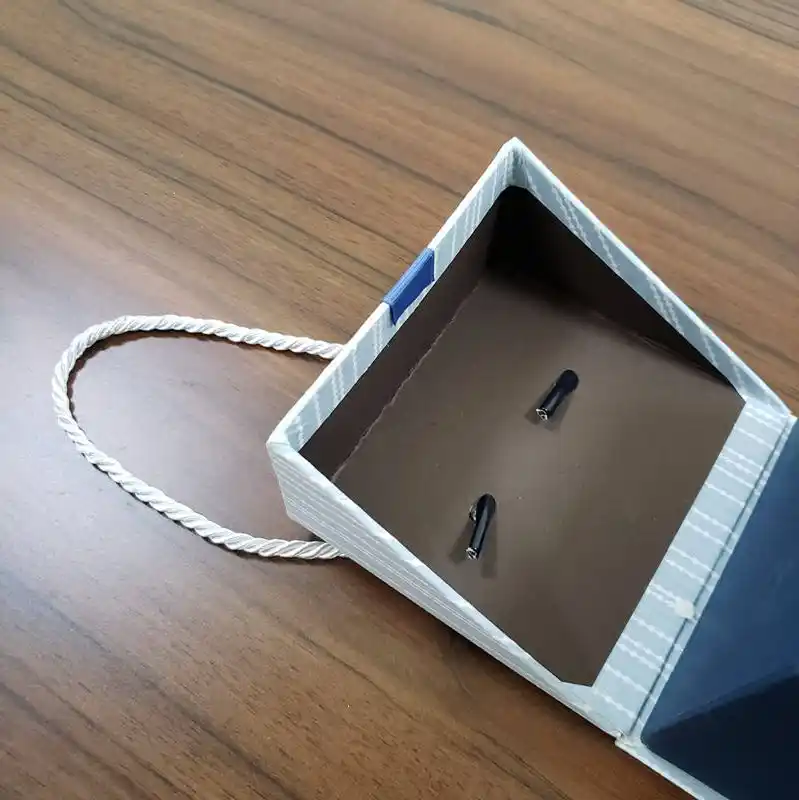
Printed corrugated boxes sit in the “last-mile battlefield.” Conveyor belts, tosses, pallet stacking, humidity, truck vibration—your artwork has to survive all that and still look clean at the doorstep. Zhibang calls this out directly: corrugated sits at the center of damage claims, freight pressure, storage, and brand image.
So when you design, don’t chase “pretty.” Chase doorstep-ready.
Before you touch color, answer one thing: What job is the box doing in your channel? DTC mailer, master carton, retail-ready shipper… different rules.
Here’s a simple decision table you can use in a kickoff call:
| Shipping scenario | Typical box format | Design priority | What usually breaks first |
|---|---|---|---|
| DTC orders (single / small bundles) | Mailer (tuck + tabs) | Fast pack-out + clean unboxing | Scuffs, corner crush, messy dieline alignment |
| Bulk B2B / master carton | Regular slotted carton / bigger shipper | Stacking strength + transit safety | Panel bowing, burst/collapse, tape failure |
| Retail-ready shipping | Corrugated shipper + inner retail pack | Brand consistency + protection | Color mismatch, shelf face damage |
You can’t “design your way out” of weak structure. Corrugated is a sandwich: liner + fluted medium + liner. That flute acts like shock absorber, and it’s why corrugated keeps winning for shipping.
Here’s the street version:
A real on-site example: Zhibang’s “Customized Corrugated Cardboard Packaging Boxes For Yogurt” uses E flute corrugated paper plus CMYK printing, hot foil stamping, glossy lamination, and spot UV—that’s a nice combo when you need both shelf vibe and shipping strength.
This is where most teams mess up: they design like it’s a brochure, then wonder why the box comes back with banding, dot gain, and soft edges.
Flexo is the workhorse. It’s great when you want bold shapes, strong logos, and consistent runs. But if you try micro text and dreamy gradients, you may get “why is my logo fuzzy” emails.
Black-hat tip: flexo loves simple color breaks and heavier line weight.
Digital is your friend when you need speed, low setup pain, or lots of versions (seasonal drops, language variants, influencer kits). It’s also nice when you’re testing a new dieline and don’t wanna commit big.
If you want photo-like detail, offset (often as litho-lam) gets you there. It’s common for premium looks, then laminated onto corrugated.
Quick selection table:
| Print method | Best for | Watch-outs (real life) |
|---|---|---|
| Flexo | Big volume, simple graphics, strong branding | Fine details soften; color control depends on substrate |
| Digital | Short runs, fast changes, multi-SKU | Color drift across batches if you’re not controlling profiles |
| Offset / litho-lam | High-detail, premium visuals | Needs tight dieline + lamination alignment |
Zhibang runs both offset & digital printing and highlights ISO-driven quality checks, which matters when you’re trying to keep colors stable across markets.
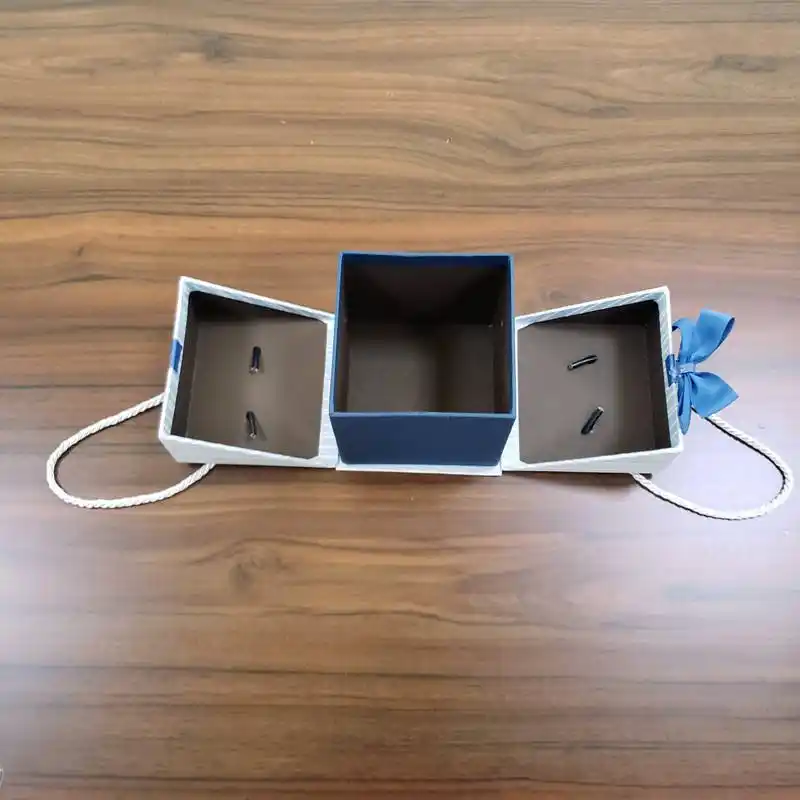
Kraft looks natural and “eco.” White looks crisp and color-accurate. Neither is “better.” But they behave very different.
Kraft absorbs ink. Your colors go darker, especially light tones. If you insist on pastel on kraft, you’ll fight it. It’s not personal, it’s physics.
If brand color is non-negotiable (cosmetics, tech accessories, anything with strict brand book), you either:
Zhibang supports both brand-forward packaging and eco materials (including FSC options), so you can choose based on channel and brand tone.
This section saves you from the most painful type of rework: “the proof looks fine on screen, but the finished box cut my text.”
Your dieline isn’t decoration. It’s the map: cut lines, score lines, glue flap, dust flaps, lock tabs. If you ignore it, you’ll place your hero elements right on a fold and they’ll crack. (Yep, it happens a lot.)
Most factories live by a simple rule:
Typical working numbers many shops use:
Corrugated isn’t coated art paper. Tiny text can fill in. A practical rule: keep small text around 6 pt or bigger, and avoid hairline strokes.
Here’s a prepress checklist you can paste into your design brief:
| Item | Typical requirement | Why it matters |
|---|---|---|
| Artwork resolution | 300 DPI (for raster), vector for logos | Avoid blur and jagged edges |
| Color mode | CMYK or Pantone plan | Keeps print predictable |
| Safe zone | ~0.125″ from cuts/folds | Prevent chopped text |
| Small text | ~6 pt+ | Stops fill-in on corrugated |
| Barcodes / QR | Give it space, don’t warp | Scans faster in warehouse |
Not every vendor uses the exact same spec, so don’t be shy—ask for their prepress sheet. That one email saves days, no joke.
Finishes aren’t just “luxury.” In shipping, they’re often damage control.
Zhibang product pages show these finishes in real combos—like yogurt corrugated packaging using glossy lamination + spot UV + hot foil. That mix gives visual pop plus better surface protection in handling.
Use spot UV like a highlighter, not a blanket. Hit the logo, hit one graphic, leave the rest calm. Foil works the same way—small area, strong impact.
One more example: the “Custom Double Wall Color Printed Corrugated Mailer Gift Box” pairs CMYK + hot foil + matte lamination + spot UV on a stronger build. That’s a classic “premium but still ships” recipe.
If your box is a marketing surface, the inside is the part customers actually stare at longer. That’s where you put:
This is also where brands fix a common pain: customers open the box and ask, “what do I do first?” You can answer that in 2 lines, right there.
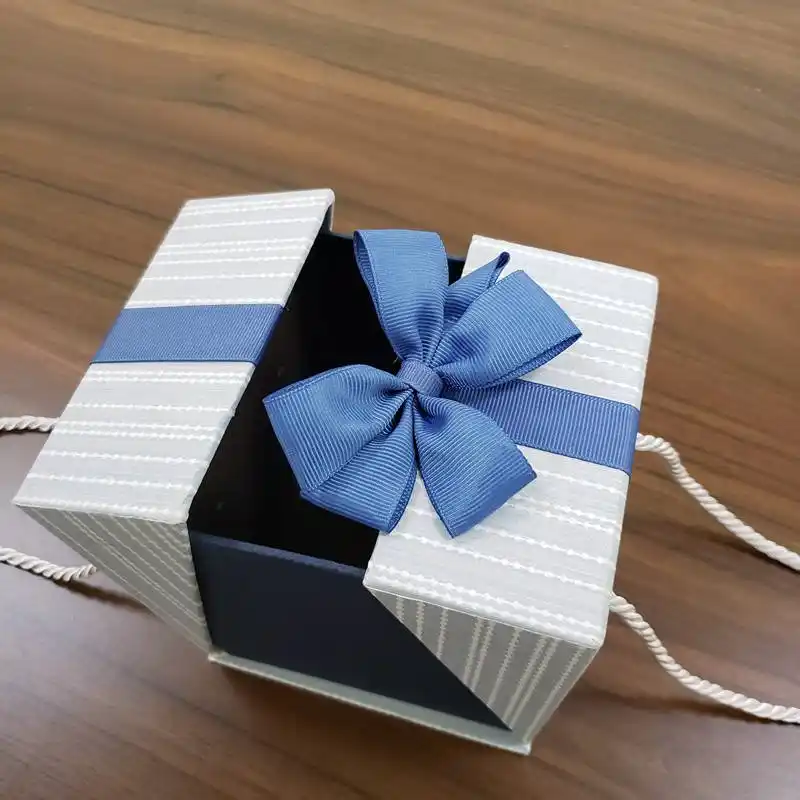
Here’s the truth: you don’t really know your box until you sample it and beat it up a bit.
Do a physical sample. Fold it, tape it, rub it, stack it. If you see score crack, registration drift, or glue squeeze-out, you fix it before mass run.
Zhibang talks about corrugated design impacting real supply-chain KPIs like fewer returns and better “arrived in good condition” feedback.
That’s the boring stuff that makes money, honestly.
And yes—Zhibang runs ISO 9001:2015 processes and positions itself as a factory-direct partner with engineering support and scalable capacity.
Printed corrugated boxes don’t live alone. Most brands run a mix, depending on channel and budget:
That’s the practical value of working with a manufacturer that covers the full paper packaging stack—your dielines, inserts, print profiles, and QC rules stay consistent across formats. Less back-and-forth, less “why the blue looks different” drama.
Do this in order:
If you want help tightening these decisions, Zhibang Packaging positions its team as engineering-led and ISO-driven, with global delivery and OEM/ODM support for different industries.